

Guide d'achat
How to Choose an Impact Driver in 2026
How to Choose an Impact Driver in 2026 : ce qui compte vraiment, les compromis clés et les produits à comparer avant d'acheter.
Nous traduisons actuellement l'intégralité de cet article en français. En attendant, le texte principal s'affiche dans sa version originale anglaise. La navigation, le tableau comparatif et les titres de cette page sont déjà en français.
Produits de ce guide
Makita 18V LXT Brushless Impact Driver Kit (XDT131
10 boutiquesdès $129.72 chez Georgia Pro
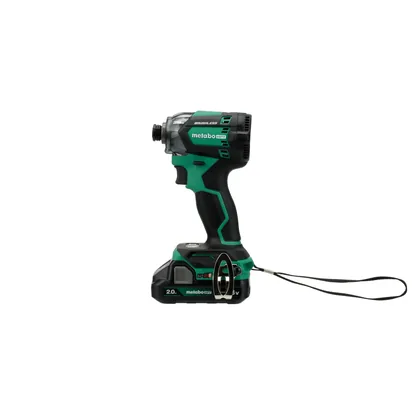
Metabo HPT 18V Triple Hammer BOLT Impact Driver Kit (WH18DC
8 boutiquesdès $199.00 chez toolorbit
Ouvrez un produit pour accéder à son analyse. Vérifiez le prix actuel et la note marchand directement chez le vendeur.
An impact driver is easy to buy badly because the box leads with numbers that only partly predict how the tool feels in your hand. A kit with a battery and charger can be the smartest purchase for a first‑time buyer and a waste for someone who already owns four batteries. And a compact model can outperform a full‑size one in the tight spaces where most screws actually live. The useful way to choose an impact driver is to start with the fasteners you drive most often, the spaces you work in, and the battery platform you already own — then match the tool to that reality.
What actually matters
Torque is the twisting force the tool applies. Higher torque drives larger and longer fasteners faster, but it also increases the risk of stripping small screws if you cannot control it. Speed (RPM) is how fast the tool spins; impacts per minute (IPM or BPM) describe how many hammer blows it delivers per minute.
For most household tasks — deck screws, cabinet assembly, furniture, drywall — anything above roughly 1,500 in‑lbs is comfortable. Above that, you are paying for the ability to drive large lag bolts or work all day without fatigue. The Milwaukee M18 FUEL 1/4 in. Hex Impact Driver offers up to 2,000 in‑lbs of fastening torque, which covers heavy‑duty work. The Makita 18V LXT Brushless Cordless 1/4 in. Impact Driver delivers 1,500 in‑lbs, which is plenty for most DIY and repair tasks.
Rule of thumb: torque above 1,500 in‑lbs is a luxury for homeowners and a necessity for pros who drive large fasteners daily.
Size and weight: the compact class
A shorter head length lets the tool fit between joists, inside cabinets, and in other tight spots where a full‑size driver cannot go. The DEWALT ATOMIC 20V MAX DCF809B Compact Brushless Impact Driver measures 130 mm front‑to‑back, which the maker positions as compact class. The DEWALT ATOMIC 20V MAX 3‑Speed Brushless Cordless Impact Driver DCF850B has about a 4‑inch head length for tight spaces.
Weight matters when you work overhead or drive hundreds of screws in a session. The Milwaukee M18 1/4 in. Compact Brushless 3‑Speed Impact Driver is only 4.9 inches long and 2.6 lbs bare. The Makita 18V LXT Brushless Cordless 1/4 in. Impact Driver weighs 2.9 lbs with battery.
Rule of thumb: if you work inside cabinets, overhead, or in tight spaces, head length and weight matter more than peak torque.
Drive type and chuck design
Most impact drivers use a 1/4‑inch hex quick‑change chuck, which accepts standard hex‑shank bits and allows fast bit changes without tools. Some models add a second drive type. The Bosch FREAK 18V Two‑in‑One Bit/Socket Impact Driver/Wrench combines a 1/4‑inch hex drive and a 1/2‑inch square drive, so it works as both an impact driver and an impact wrench.
A quick‑change chuck is a convenience feature, but it saves real time when you switch between driving screws and drilling pilot holes. All the models in this guide use a 1/4‑inch hex chuck; the Bosch adds the square drive for socket work.
Control modes and electronics
Basic impact drivers have a single speed and no torque presets. More advanced models offer multiple speed/torque settings and preset modes for specific tasks. The Milwaukee M18 FUEL 1/4 in. Hex Impact Driver includes 4‑mode DRIVE CONTROL with a precision wrench mode. The DEWALT ATOMIC 20V MAX 3‑Speed Brushless Cordless Impact Driver DCF850B has 3‑speed control with precision wrench mode. The Makita 18V LXT Brushless Cordless 1/4 in. Impact Driver offers 4‑mode control including a self‑tapping fastener mode.
Preset modes are useful when you drive the same fastener type repeatedly. For general DIY, a variable‑speed trigger and one or two speed settings are enough. The DEWALT ATOMIC 20V MAX DCF809B Compact Brushless Impact Driver is single‑speed with no torque presets, which keeps it simple and affordable.
Rule of thumb: if you drive one type of fastener all day, presets save time. If you switch between materials, a variable trigger and manual control are more flexible.
Battery platform and kit vs. bare tool
Impact drivers are sold as bare tools (tool only) or as kits with a battery and charger. If you already own batteries from a brand, a bare tool is usually the better value. If you are starting from scratch, a kit avoids the frustration of buying a battery separately.
The Metabo HPT 18V Triple Hammer BOLT Impact Driver Kit includes a 2.0Ah battery and charger, making it a complete starter package. The DEWALT ATOMIC 20V MAX DCF809B Compact Brushless Impact Driver is tool only, which suits buyers who already have DEWALT 20V batteries.
Voltage classes also matter: 18V/20V MAX platforms are the mainstream for DIY and pro use. The Milwaukee M12 FUEL 1/4 in. Hex Impact Driver uses the smaller M12 platform, which is lighter and more compact but delivers less peak torque.
Rule of thumb: match the battery platform you already own. A bare tool is a bargain only if you have the battery.
Types compared
| Type | Best when | Main drawback |
|---|---|---|
| Compact (short head) | You work in tight spaces, overhead, or inside cabinets | May have lower peak torque |
| Full‑size | You drive large fasteners all day | Heavier and longer; harder to fit in tight spots |
| Two‑in‑one (bit + socket) | You want one tool for driving screws and socket work | Slightly heavier than a dedicated driver |
| Kit (with battery) | You are starting a new platform | Higher upfront cost |
| Bare tool | You already own batteries and charger | No battery included; not ready to use out of the box |
| Quiet hydraulic | You work in noise‑sensitive environments or indoors | Lower peak torque than hammer‑and‑anvil models |
Compact models like the DEWALT ATOMIC 20V MAX DCF809B Compact Brushless Impact Driver and the DEWALT ATOMIC 20V MAX 3‑Speed Brushless Cordless Impact Driver DCF850B are ideal for cabinet work, furniture assembly, and any task where space is limited. Full‑size models like the Milwaukee M18 FUEL 1/4 in. Hex Impact Driver deliver more torque for heavy‑duty work.
The Bosch FREAK 18V Two‑in‑One Bit/Socket Impact Driver/Wrench is a hybrid that replaces two tools for buyers who drive both screws and bolts. The DEWALT 20V MAX XR Brushless Quiet Hydraulic Impact Driver DCF870B uses a hydraulic mechanism instead of a hammer‑and‑anvil, making it significantly quieter — a real advantage for indoor work or shared spaces.
Features worth paying for
Multiple speed/torque settings. If you drive different fastener sizes, a 3‑speed or 4‑mode system lets you dial down torque for small screws and crank it up for large ones. The Milwaukee M18 FUEL 1/4 in. Hex Impact Driver and the DEWALT ATOMIC 20V MAX 3‑Speed Brushless Cordless Impact Driver DCF850B both offer this.
Self‑tapping screw mode. This mode adjusts the impact rate for self‑tapping fasteners, reducing the chance of stripping. The Makita 18V LXT Brushless Cordless 1/4 in. Impact Driver and the Milwaukee M12 FUEL 1/4 in. Hex Impact Driver include it.
LED lighting. A well‑placed LED or LED ring helps you see the fastener in dark corners. The Metabo HPT 18V Triple Hammer BOLT Impact Driver Kit has a triple LED light, and the DEWALT ATOMIC 20V MAX 3‑Speed Brushless Cordless Impact Driver DCF850B has a three‑LED ring around the chuck.
Auto Bolt Release. The Bosch FREAK 18V Two‑in‑One Bit/Socket Impact Driver/Wrench includes Auto Bolt Release, which prevents dropping fasteners when you reverse the tool.
Quiet hydraulic mechanism. The DEWALT 20V MAX XR Brushless Quiet Hydraulic Impact Driver DCF870B trades some peak torque for much lower noise, which matters if you work in apartments, at night, or around others.
Features that are marketing noise
Pay for the torque you need, not the torque on the box.
Too many preset modes. If you cannot name a weekly use for a specific preset mode, you are paying for a feature you will not use. A variable‑speed trigger and one or two manual settings are more flexible than a dozen presets.
Brand loyalty without platform consideration. If you already own batteries from one brand, switching brands means buying new batteries and chargers. Stick with your existing platform unless you have a compelling reason to switch.
Weight without context. A lighter tool is not automatically better if it lacks the torque or battery life you need. Match the tool to your actual work.
Common mistakes
Buying too much torque for the work. A 2,000 in‑lb tool is overkill for furniture assembly and drywall. Match the tool to the fasteners you actually drive.
Ignoring head length. A full‑size driver may not fit inside a cabinet or between joists. If you work in tight spaces, prioritize a compact model like the DEWALT ATOMIC 20V MAX DCF809B Compact Brushless Impact Driver.
Buying a bare tool without checking battery compatibility. A bare tool is only a bargain if you already own the right battery and charger.
Overlooking noise levels. Hammer‑and‑anvil impact drivers are loud. If you work indoors or in shared spaces, consider a quiet hydraulic model like the DEWALT 20V MAX XR Brushless Quiet Hydraulic Impact Driver DCF870B.
Ignoring the chuck type. If you need socket work, a 1/4‑inch hex chuck alone will not suffice. The Bosch FREAK 18V Two‑in‑One Bit/Socket Impact Driver/Wrench solves this with its dual‑drive design.
Paying for presets you will not use. If you drive one type of fastener, a single‑speed tool like the DEWALT ATOMIC 20V MAX DCF809B Compact Brushless Impact Driver may be all you need.
Who should buy what
First‑time buyers and general DIYers: Start with a kit that includes a battery and charger. The Metabo HPT 18V Triple Hammer BOLT Impact Driver Kit is a complete package with up to 1,859 in‑lbs of torque, triple hammer technology for faster driving, and a triple LED light.
Homeowners who already own batteries: A bare tool is the better value. The DEWALT ATOMIC 20V MAX DCF809B Compact Brushless Impact Driver is compact and affordable for DEWALT 20V owners. The Milwaukee M18 1/4 in. Compact Brushless 3‑Speed Impact Driver is a lightweight option for M18 owners.
Pros and heavy users: Prioritize torque, durability, and battery life. The Milwaukee M18 FUEL 1/4 in. Hex Impact Driver delivers up to 2,000 in‑lbs and 4‑mode DRIVE CONTROL for all‑day work.
Cabinet and furniture builders: A compact head length is essential. The DEWALT ATOMIC 20V MAX 3‑Speed Brushless Cordless Impact Driver DCF850B has about a 4‑inch head length and 3‑speed control with precision wrench mode.
Buyers who need both screw and socket driving: The Bosch FREAK 18V Two‑in‑One Bit/Socket Impact Driver/Wrench combines both functions in one tool.
Noise‑sensitive environments: The DEWALT 20V MAX XR Brushless Quiet Hydraulic Impact Driver DCF870B uses a hydraulic mechanism for quieter operation.
Lightweight and compact platform fans: The Milwaukee M12 FUEL 1/4 in. Hex Impact Driver uses the smaller M12 platform for buyers who want a lighter tool with up to 1,500 in‑lbs of torque.
Setup tips
- Charge the battery fully before first use. A new battery may not arrive fully charged. Follow the manufacturer's charging instructions.
- Select the right bit for the fastener. A poorly fitting bit strips screws and wastes time. Use high‑quality hex‑shank bits designed for impact drivers.
- Start at a lower speed setting. If your tool has multiple speed modes, begin with the lowest setting and increase as needed. This reduces the risk of stripping small screws.
- Use the correct mode for the fastener type. If your tool has a self‑tapping screw mode, use it for self‑tapping fasteners. If it has a precision wrench mode, use it for small or delicate fasteners.
- Keep the tool clean and dry. Wipe down the tool after use and store it in a dry place. Avoid exposing it to moisture or extreme temperatures.
- Register the product if the manufacturer offers a warranty extension. Save the PDF manual for troubleshooting and parts lookup.
Maintenance and what wears out
- Brushes (if applicable): Brushless motors have no brushes to replace, which is one reason most modern impact drivers are brushless. If you own a brushed model, replace the brushes when they wear down.
- Chuck: The quick‑change chuck can wear over time, especially if bits are not inserted fully. Replace the chuck if bits no longer lock securely.
- Battery: Batteries degrade over time. If you notice reduced runtime, consider replacing the battery.
- LED lights: LED lights rarely fail, but if they stop working, check the connections and replace the LED assembly if necessary.
- Housing and grip: Plastic housings can crack if the tool is dropped. Inspect the housing regularly and replace it if it is damaged.
Running costs and lifespan: Impact drivers are relatively inexpensive to run because they are used intermittently. The main consumable is the battery, which may need replacement after several years of heavy use. There is no reliable universal lifespan in years: battery availability, frequency of use, and storage conditions matter more than a fixed number. Stop using any tool with a damaged cord, cracked housing, or a recall affecting its exact model.
A 60‑Second Buying Checklist
Before ordering:
- Identify the fasteners you drive most often. Match the tool's torque and speed to those fasteners.
- Measure the spaces you work in. If you work in tight spaces, prioritize a compact head length.
- Check your existing battery platform. Buy a bare tool if you already own batteries; buy a kit if you are starting fresh.
- Decide if you need multiple speed settings. If you drive different fastener sizes, a multi‑mode tool is worth the extra cost.
- Consider noise levels. If you work indoors or in shared spaces, look for a quiet hydraulic model.
- Check the chuck type. If you need socket work, choose a two‑in‑one model.
- Ignore features you cannot name a weekly use for.
- Read the manual before first use. Follow the manufacturer's setup, maintenance, and safety instructions.
The right impact driver is the one that fits your hand, your work, and your battery platform. Torque, size, and control modes matter more than the number of features printed on the box.
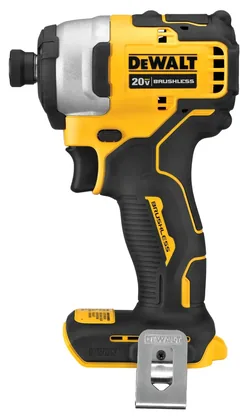
- DEWALT ATOMIC 20V MAX DCF809B Compact Brushless Impact Driver – suits buyers who need a compact 130 mm head for tight spaces and already own DEWALT 20V batteries.
- Metabo HPT 18V Triple Hammer BOLT Impact Driver Kit – ideal for first‑time buyers who want a complete kit with up to 1,859 in‑lbs of torque and triple hammer technology.
- Bosch FREAK 18V Two‑in‑One Bit/Socket Impact Driver/Wrench – fits buyers who need both a 1/4‑inch hex driver and a 1/2‑inch square drive in one tool.
- Makita 18V LXT Brushless Cordless 1/4 in. Impact Driver – matches users who want a lightweight 2.9 lbs tool with 4‑mode control and a self‑tapping fastener mode.
- Milwaukee M18 FUEL 1/4 in. Hex Impact Driver – designed for pros and heavy users who need up to 2,000 in‑lbs of torque and 4‑mode DRIVE CONTROL.
- DEWALT 20V MAX XR Brushless Quiet Hydraulic Impact Driver DCF870B – serves buyers who prioritize quiet operation and work in noise‑sensitive environments.
- Milwaukee M12 FUEL 1/4 in. Hex Impact Driver – suits buyers who want a compact M12 platform tool with up to 1,500 in‑lbs of torque.
- DEWALT ATOMIC 20V MAX 3‑Speed Brushless Cordless Impact Driver DCF850B – fits cabinet and furniture builders who need a 4‑inch head length and 3‑speed control with precision wrench mode.
- Milwaukee M18 1/4 in. Compact Brushless 3‑Speed Impact Driver – matches M18 owners who want a lightweight 2.6 lbs bare tool with 3‑speed DRIVE CONTROL and a self‑tapping screw mode.