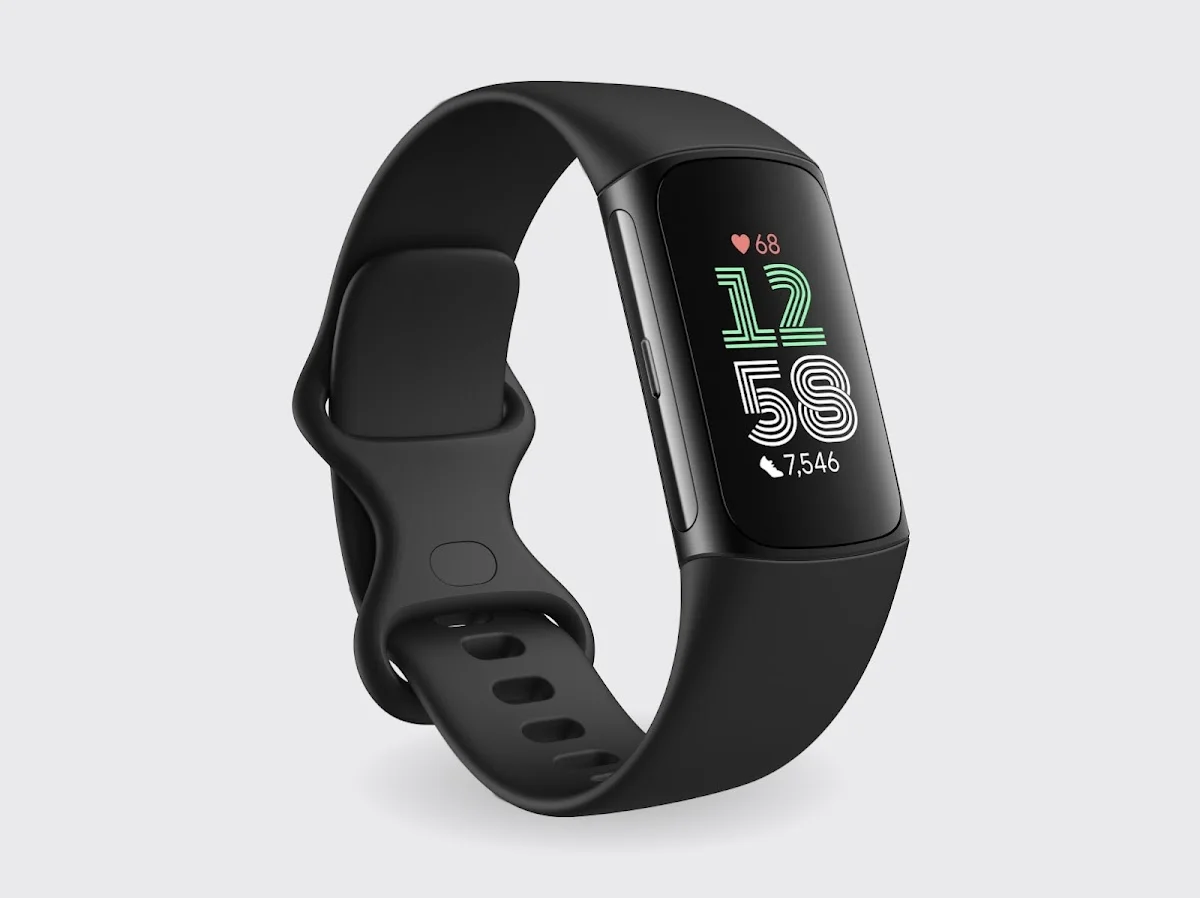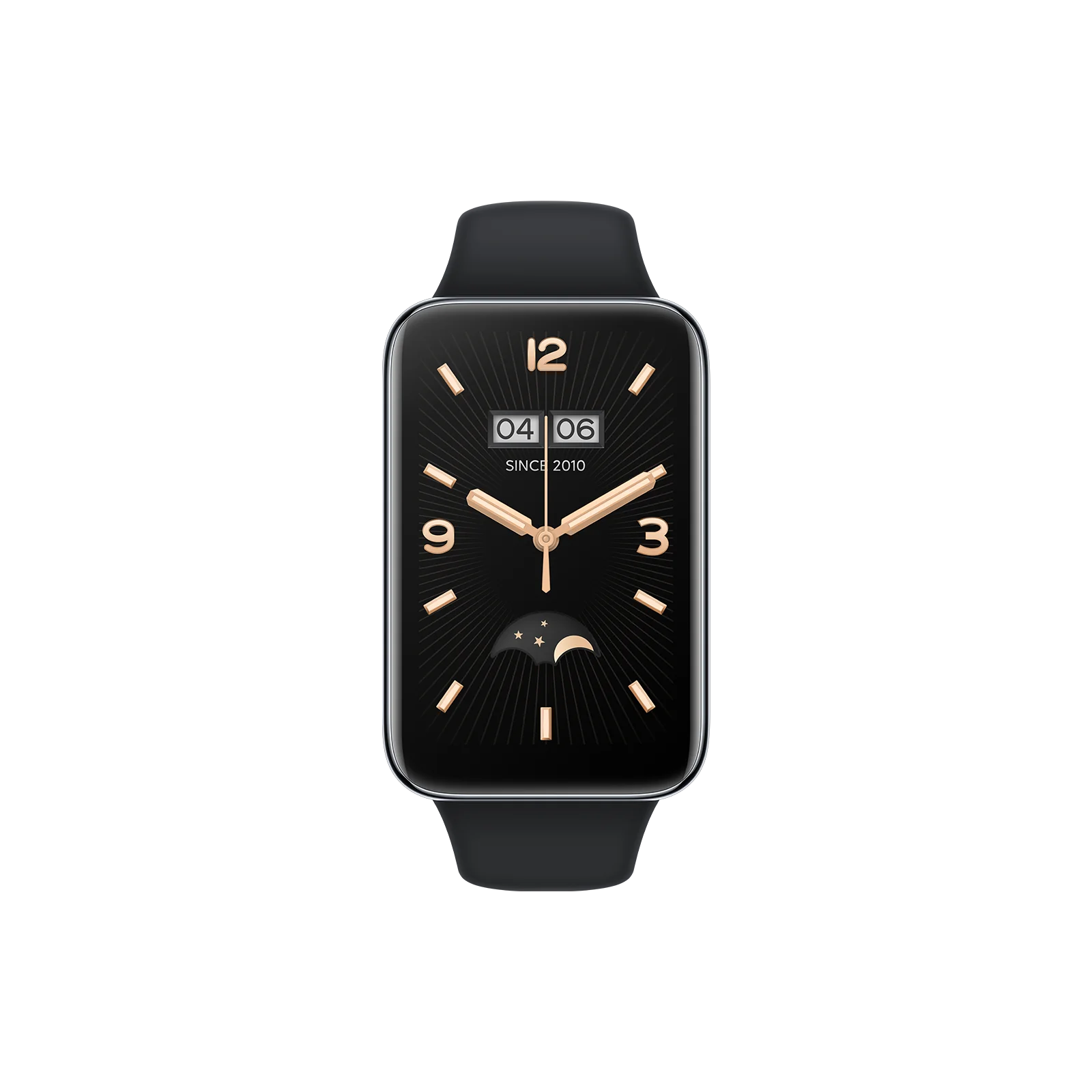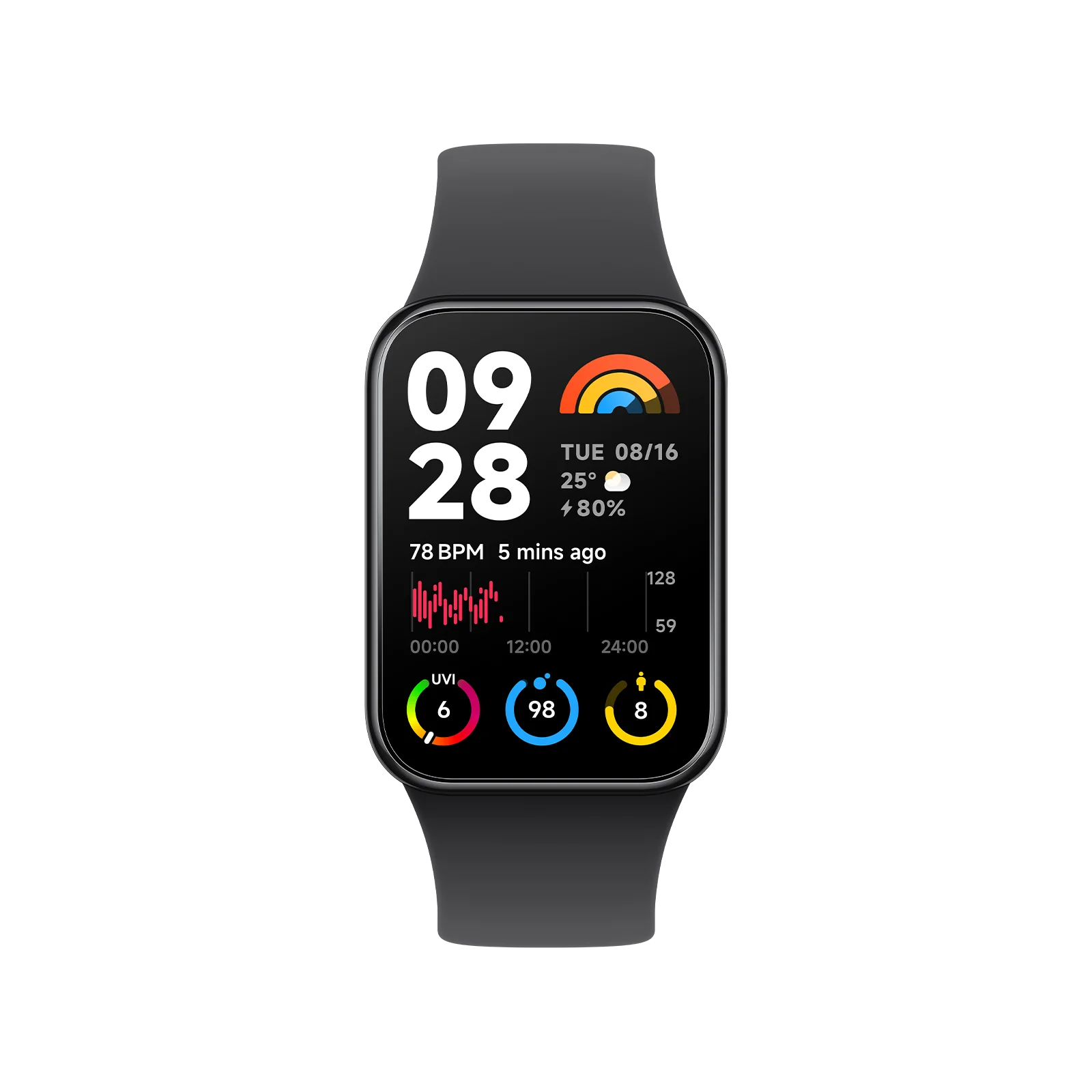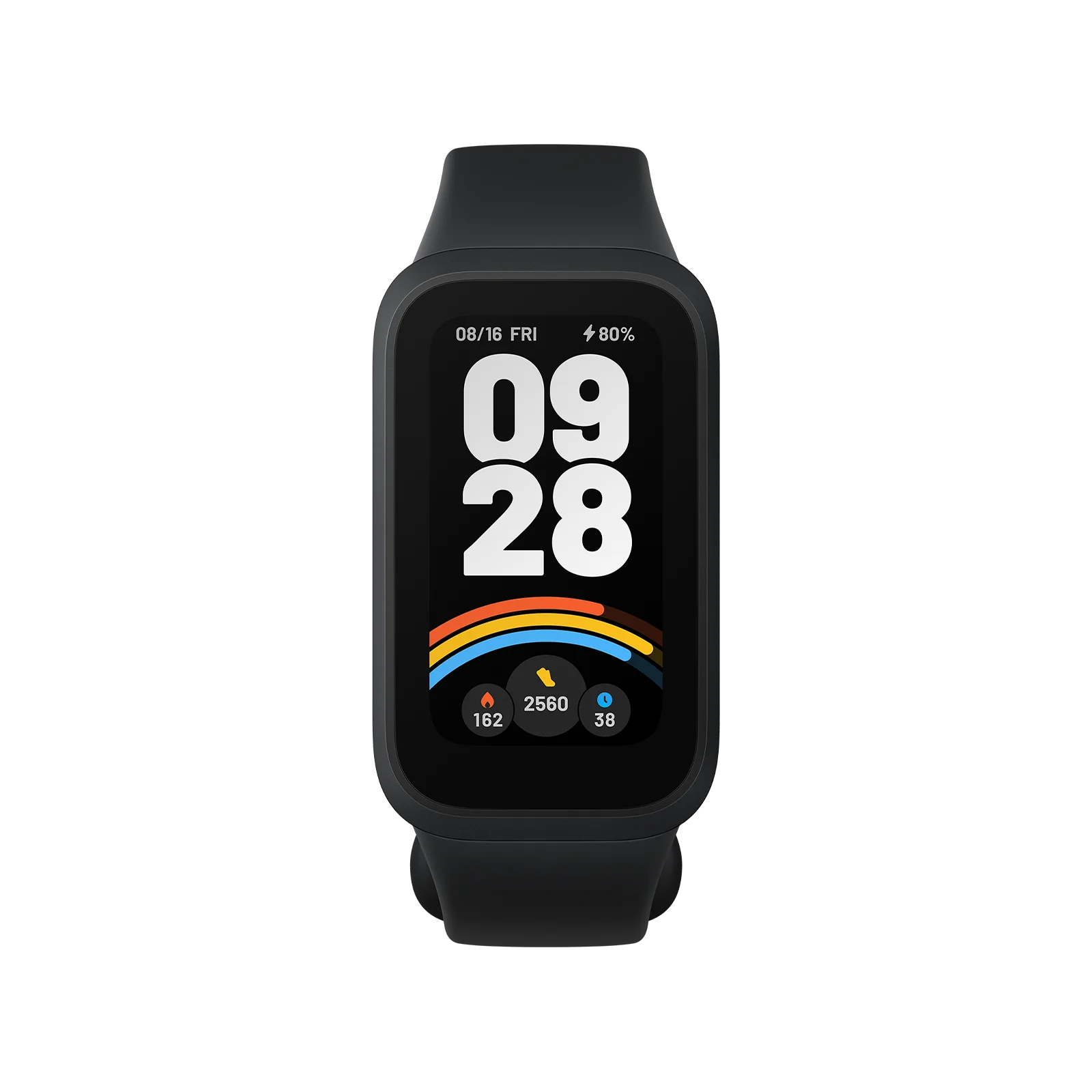
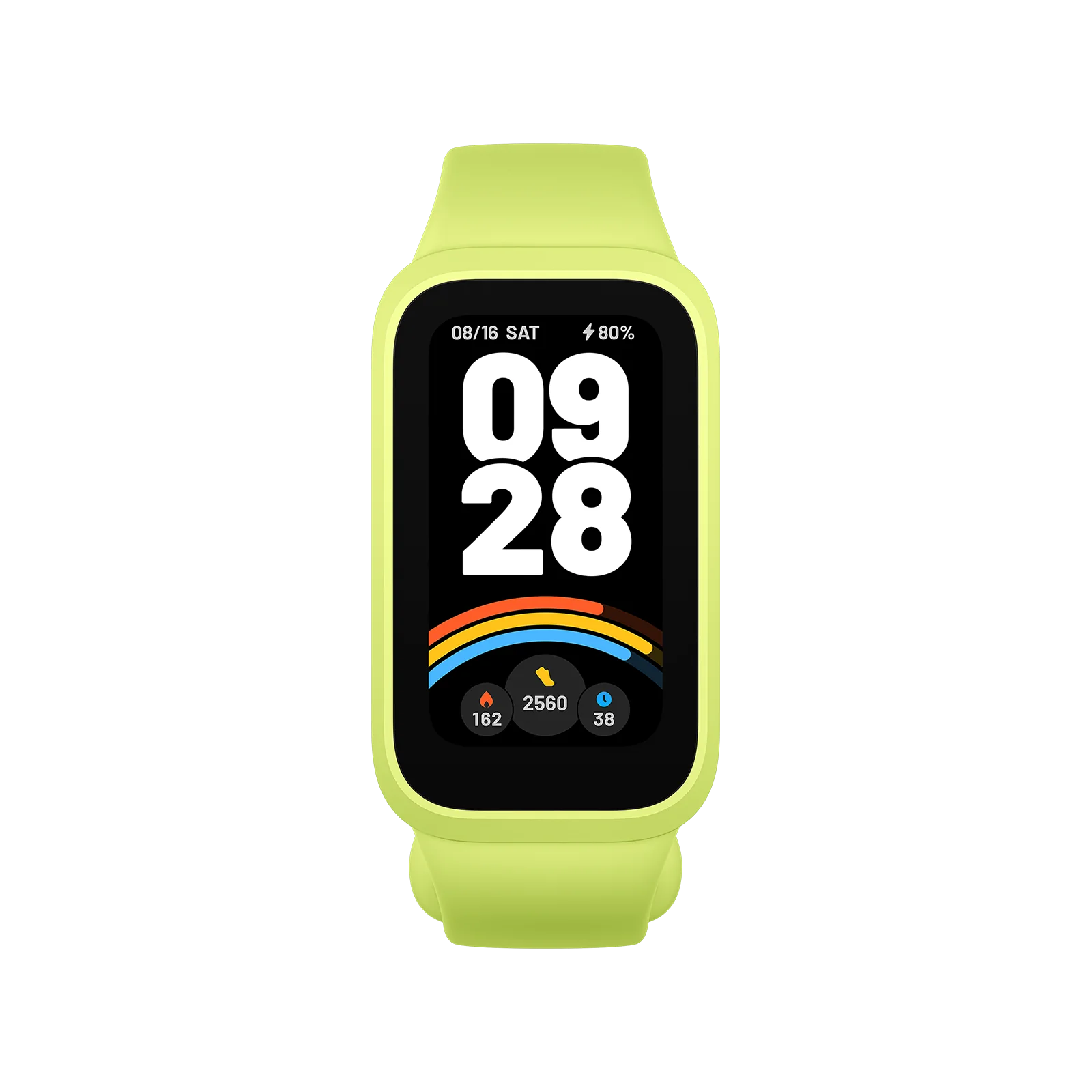
Xiaomi Smart Band 9 Active
By Xiaomi · Fitness Trackers · Phones & Computers · More from Xiaomi
- 1.47" TFT display, 60Hz
- Up to 18-day battery life
- 5ATM water resistance
- 16.5g lightweight, 9.99mm slim
- 50 sports modes
Price not listed
- XiaomiView at Xiaomi
- WalmartView at Walmart
- eBayView at eBay
- AmazonView at Amazon (paid link)
- eBay (used) eBay: used, open-box, refurbishedView at eBay (used)
Stores are listed in a fixed order, never by price or commission. Prices are snapshots. Check the current price with the store.
Summary
Check the accuracy compromises before you buy: every independent test measured steps, phone-GPS distances, heart rate and sleep timing measurably off.
Strengths
- Battery life is the most praised attribute; owners report about two weeks per charge with average settings.
- At 16.5 g it stays comfortable for 24/7 wear, including sleep, and Yahoo praised the easy setup and intuitive swipes.
- Mi Fitness is free, keeps a month of data and syncs to Apple Health, Google Fit, Strava and Suunto.
- Notifications, find-phone, weather and camera control work at this price; TechRadar also got music control working.
- 5ATM water resistance with TÜV SÜD certification.
Weaknesses
- GSMArena measured 8 days of battery with every feature on at 60% brightness, well short of the 18-day claim.
- The TFT screen is dull next to AMOLED siblings, with no always-on mode and no automatic brightness.
- Music controls did not work at all in Wareable’s testing, and Xiaomi itself marks music and camera control as model-dependent.
Verified specifications
| Display | 1.47-inch TFT touchscreen, 172 × 320 px, 247 PPI, 60 Hz, reinforced glass. |
|---|---|
| Display extras | no always-on mode and no automatic brightness; stress is an on-demand one-minute check; only two watch faces fit at once. |
| Weight and strap | 16.5 g without the strap; all-plastic build with a removable frame and a TPU strap fitting 135–215 mm. |
| Battery | 300 mAh, rated up to 18 days typical usage and 9 days heavy-load in Xiaomi’s lab tests. |
| Battery test conditions | typical means heart rate every 30 minutes, 100 messages a day and advanced monitoring off; heavy means every minute, 200 messages and monitoring on. |
| Charging | magnetic cable in the box; under 120 minutes officially, 90–100 minutes measured from empty. |
| Water resistance | 5ATM with TÜV SÜD certification; not for hot showers, saunas or diving, and Xiaomi warns it is not permanent. |
| Sensors | PPG optical heart-rate sensor, accelerometer and ERM motor; no built-in GNSS, so outdoor workouts use the phone’s GPS. |
| Connectivity | Bluetooth 5.3 BLE; Android 8.0 and iOS 14.0 or newer. |
| App | Mi Fitness only; keeps a month of data and syncs to Apple Health, Google Fit, Strava and Suunto. |
| Notifications | per-app toggles in Mi Fitness; no replies, no speaker or mic, no Bluetooth calling. |
| Heart-rate monitoring | configurable to smart, or every 1, 10 or 30 minutes. |
| Dimensions | 45.9 × 26.94 × 9.99 mm, excluding strap and protrusions. |
Full research notes and sources
Battery life and charging
Xiaomi’s 18-day figure comes from its own lab with advanced monitoring off, heart rate checked every 30 minutes and 100 messages a day. GSMArena ran the band for over two weeks with every tracking feature enabled at 60% brightness and got 8 days; Wareable called the claim optimistic, and nextpit titled its battery chapter “Simply not enough”. Owners in the Reddit aggregation report about two weeks per charge with average settings. Charging from empty took 90+ minutes in GSMArena’s test and exactly 100 minutes in nextpit’s, against about 60 minutes for the vanilla Band 9.
Xiaomi’s own care guidance: activate the band on its charging cable before first use, keep the firmware updated, and switch off battery-hungry features — advanced sleep monitoring, all-day stress or SpO2, frequent notifications, game watch faces — if drain runs high. Factory-reset and reconnect if fast drain persists, and use only the accompanying charging cable. Wear the strap snug: Xiaomi says a loose fit degrades heart-rate, SpO2 and sleep data.
Tracking accuracy
All four hands-on reviews measured the same core problems. Wareable’s step counts ran 1,000–2,000 a day away from two other trackers, calories came in “surprisingly low”, and a 5 km reference run on phone GPS came out as 4.70 km; TechRadar saw a 1.6 km run recorded as 1.4 km. Heart rate missed in both directions: Wareable measured peak heart rate 8–9 bpm above a chest strap at higher intensity, GSMArena saw max heart rate about 10 bpm too high, and Yahoo measured it 10–20 bpm below the chest strap during runs, hikes and rides. Sleep tracking was unreliable too — GSMArena logged inaccurate go-to-sleep and wake times, persistently longer sleep and missed night wake-ups, with no deep-sleep readout on the band itself. TechRadar called heart rate “laughably inaccurate” and sleep only “vaguely reliable”.
No instrumented lab test from RTINGS, Wirecutter, CNET or PCMag exists for this exact model, so treat these as measured problems from four reviews rather than a calibrated defect rate.
Daily use and reliability
The TFT panel is the obvious compromise. With no always-on display and no automatic brightness, you tap the screen or raise your wrist to wake it. Music controls are inconsistent: Wareable found them non-functional with native and third-party streaming services, TechRadar’s worked, and Xiaomi’s own compatibility table marks music and camera control as supported only on some models. On the positive side, notifications are quick, per-app toggles keep them under control, and owners praise the light weight.
Reliability is the bigger unknown. A GSMArena commenter reports a dead touch zone after 10 days and total touch failure shortly after; an r/miband owner reports a broken sensor after one month and partial touch-screen death four months after a replacement; another commenter’s Band 9 Active died after 10 days while a Band 8 lasted four months. The Reddit aggregation’s top con is “poor quality and easily detaching band”. Google Play reviews of the Mi Fitness app complain about phone-side battery drain, crashes and workouts recording zero time — app-level complaints, not band hardware. Nobody has published a failure rate, so treat these as a strong caution cluster rather than a proven defect.
Is it worth it?
At roughly $20–25 the math is easy: basic step, sleep and heart-rate tracking, a multi-week battery, 5ATM and no subscription, with the accuracy gaps as the price of admission. Owners quote about $20 in the Reddit aggregation, the UK launch price was £19.99 (Wareable, 2024-12), Xiaomi’s UK page showed £15.99 at check time, and Xiaomi Singapore sells the band at S$30. Yahoo notes it typically prices under $50 from third-party US sellers. Between $26 and $35 it is fair value — Amazfit, Huawei and Honor budget bands add AMOLED screens near this price, so choose it for the Xiaomi app and ecosystem. From $36 to $50 the vanilla Smart Band 9’s AMOLED screen, automatic brightness and faster charging make more sense for slightly more money. Above $50 there is no case for it. Whatever you pay, check the return window: the anecdotal touch-screen failures make it meaningful.
Which model this is
This page covers the Smart Band 9 Active, the entry-level model of Xiaomi’s ninth-generation lineup (formerly Mi Band), launched worldwide on 2024-11-18. Do not merge it with the Smart Band 9 (AMOLED, about $50) or the Smart Band 9 Pro (built-in GNSS, about $90), which are materially better packages; the older Band 8 Active shares its 1.47-inch TFT panel and 9.99 mm thickness. Xiaomi lists five first-party colors: Black, Beige White, Pink, Green and Purple.
The US Amazon listing is ASIN B0CW3DGP12.
Sources
Manufacturer:
- Xiaomi Smart Band 9 Active — official global product page
- Xiaomi Smart Band 9 Active — official global spec sheet
- Xiaomi UK — Smart Band 9 Active product page
- Xiaomi UK support — Smart Band 9 Active FAQ
- Xiaomi global support — battery life FAQ
- Xiaomi global support — battery drain FAQ
Independent reviews:
Owner reports: