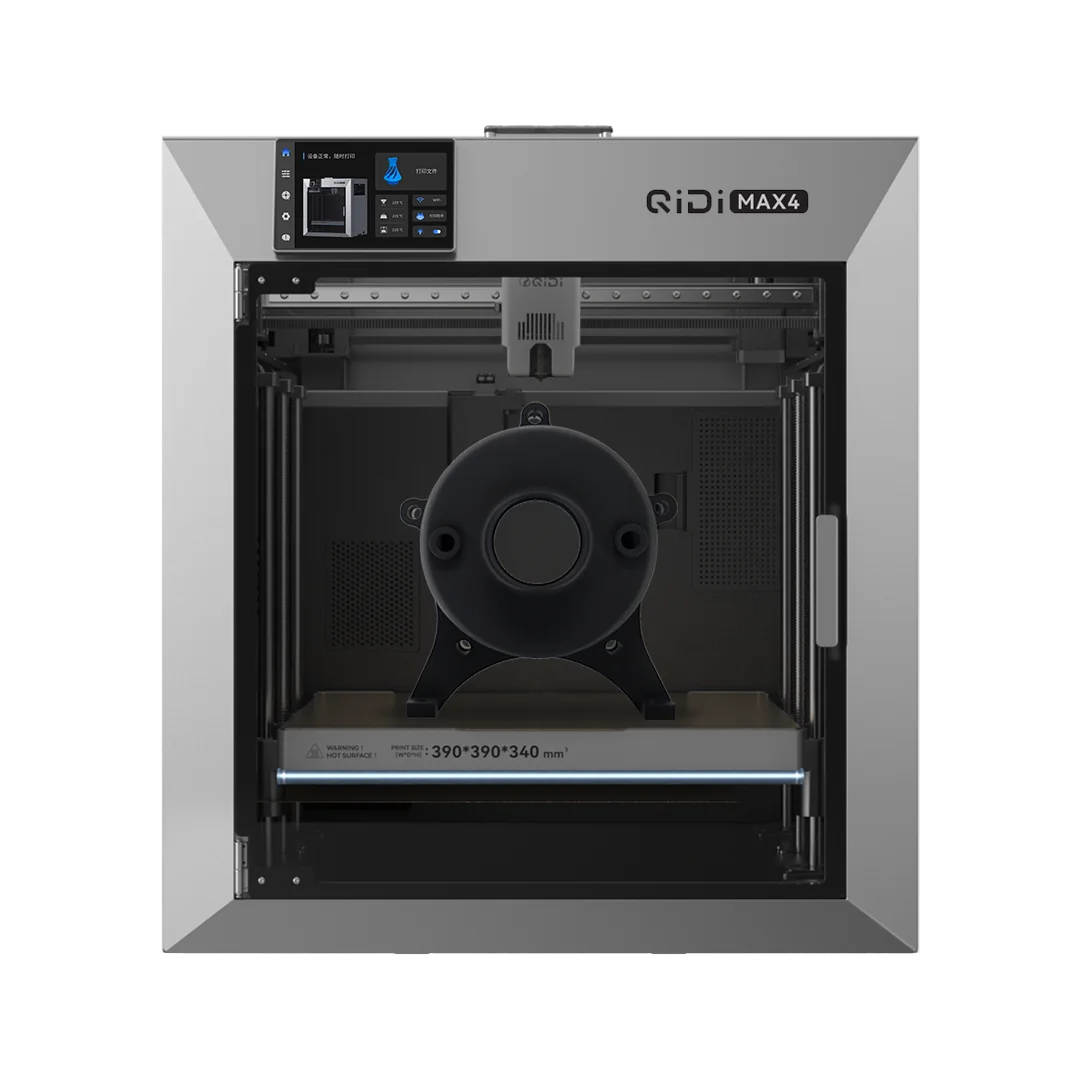
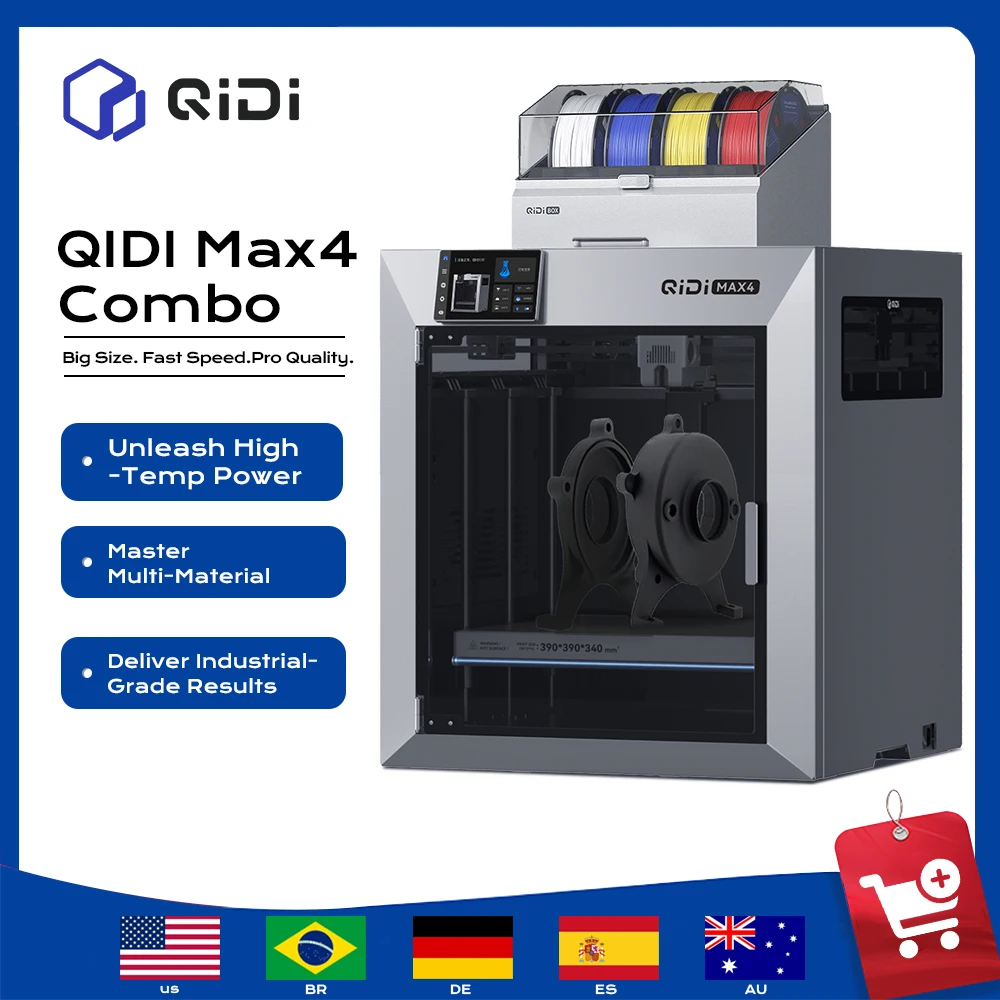
QIDI Max4 Combo
By QIDI · Enclosed 3D Printers · 3D Printing
- Build volume 390x390x340 mm
- Max tool head speed 800 mm/s
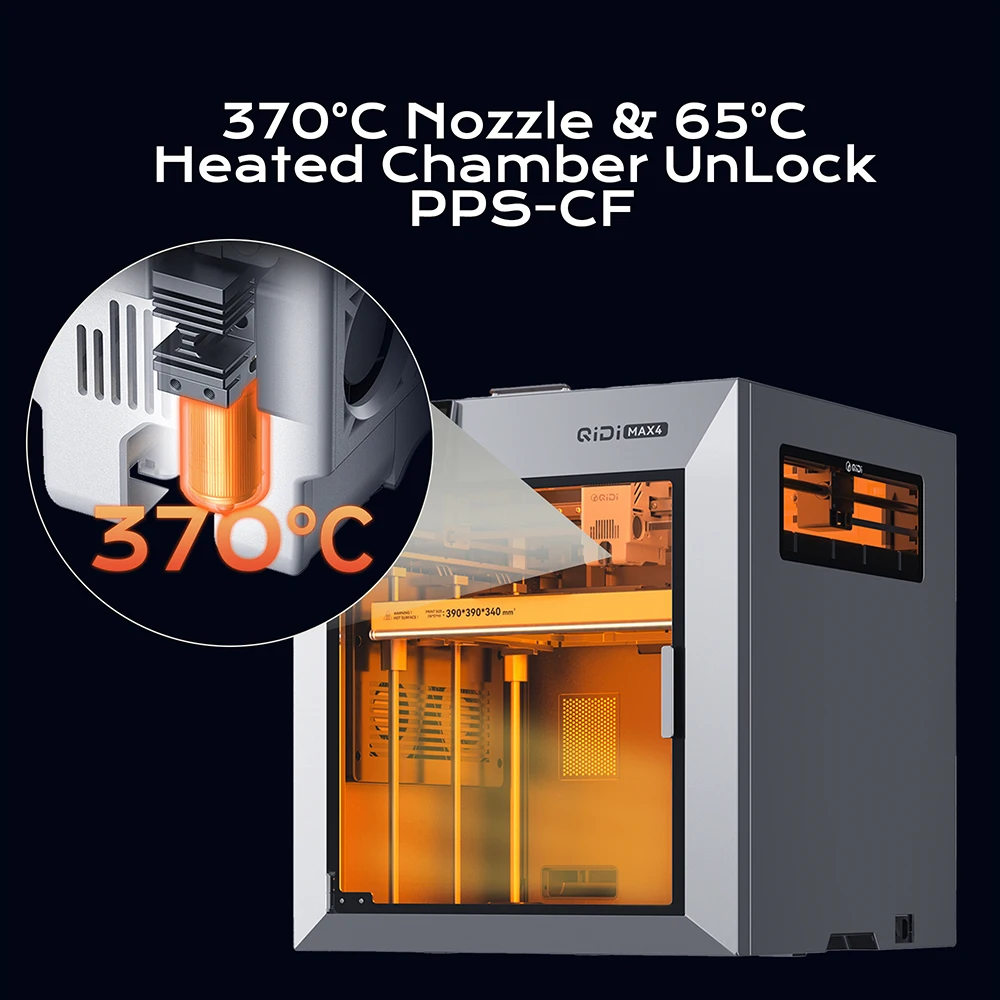
- Nozzle up to 370 C
- Chamber heating up to 65 C
- Acceleration up to 30000 mm/s2
Lowest price seen
$1,606.19
from $1,606.19 at AliExpress · Checked Oct 14, 2026
- AliExpress QIDI 3D Overseas Store $1,606.19View at AliExpress
- QIDIView at QIDI
- eBay (used) eBay: used, open-box, refurbishedView at eBay (used)
- eBayView at eBay
- AmazonView at Amazon
Prices are snapshots. Check the current price with the store.
Summary
The QIDI Max4 Combo is a large-format enclosed CoreXY printer with a 65°C heated chamber, built for engineering materials and parts too big for a desktop machine. Check the owner reliability record before you buy: SSR failures, MCU errors and a homing malfunction turn up in r/QIDI reports, and the QIDI Box and Polar Cooler add their own failure points.
Strengths
- Huge build volume: 390 × 390 × 340 mm, 51.7 L — about 2.3× the Bambu Lab X1 Carbon — so large functional parts print without splitting.
- Active 65°C chamber heating lets ABS, ASA, nylon and carbon-fiber composites print without the warping you get in a passive enclosure.
- Dimensional accuracy down to +0.05 mm in PCMag’s tolerance test, with clean geometry and sharp edges.
- Klipper and Fluidd access gives full machine control — a plus for owners who tune and repair their own hardware.
- QIDI support answered PCMag’s homing malfunction quickly, with an instructional video.
- The QIDI Box adds 4-spool multi-color printing with 65°C drying built in.
Weaknesses
- Owners report Z-offset problems, SSR failures, crunchy bearings, MCU errors and defective bed thermistors — one new Max4 failed before its first Benchy with a bad thermistor.
- The auxiliary cooling fan is angled 30–40° upward and half-blocked by Z-axis brackets, which causes stringing and poor PLA surface finish.
- PCMag’s test unit developed a homing malfunction after about a week; the fix needed rear-panel disassembly and connector reseating, not a user-serviceable repair.
- The QIDI Box feeder clicks the filament forward 5–10 mm at a time and is noticeably louder than a Bambu Lab AMS.
- The Polar Cooler is an external module with its own power supply and hose that PCMag called an afterthought — another failure point to maintain.
- One year of warranty, and a commercial Plus 4 owner accused QIDI of refusing warranty claims and replacing random parts instead of fixing systemic issues.
Verified specifications
| Build volume | 390 × 390 × 340 mm (51.7 L) — the largest in QIDI’s consumer line. |
|---|---|
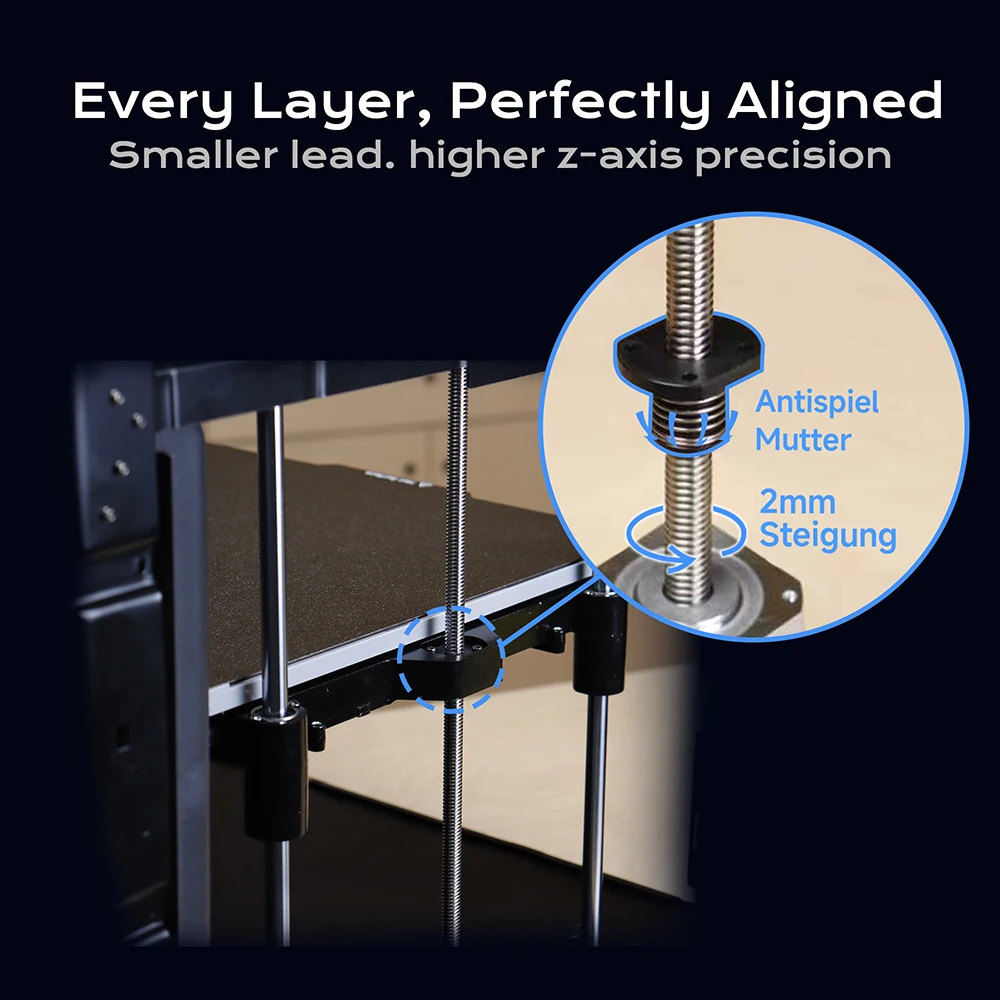
| Motion | CoreXY with closed-loop FOC stepper motors and 1.5GT 10 mm belts; automatic bed leveling from a loadcell in the hotend. |
| Max toolhead speed | 800 mm/s; max acceleration: 30,000 mm/s². |
| Nozzle | bimetal hardened steel, up to 370°C; 0.4 mm included, 0.2/0.6/0.8 mm optional. |
| Hot bed | up to 120°C from a 700 W silicone heater; dual-sided textured PEI magnetic plate. |
| Chamber | actively heated to 65°C by a 500 W PTC heater, a real advantage over passive enclosures for ABS, ASA and nylon. |
| Extruder | direct drive with hardened steel dual gears at an 8.9:1 ratio; 40 mm³/s measured flow in QIDI Rapido ABS at 280°C. |
| AI camera | up to 1080p with timelapse; filament run-out sensor included. |
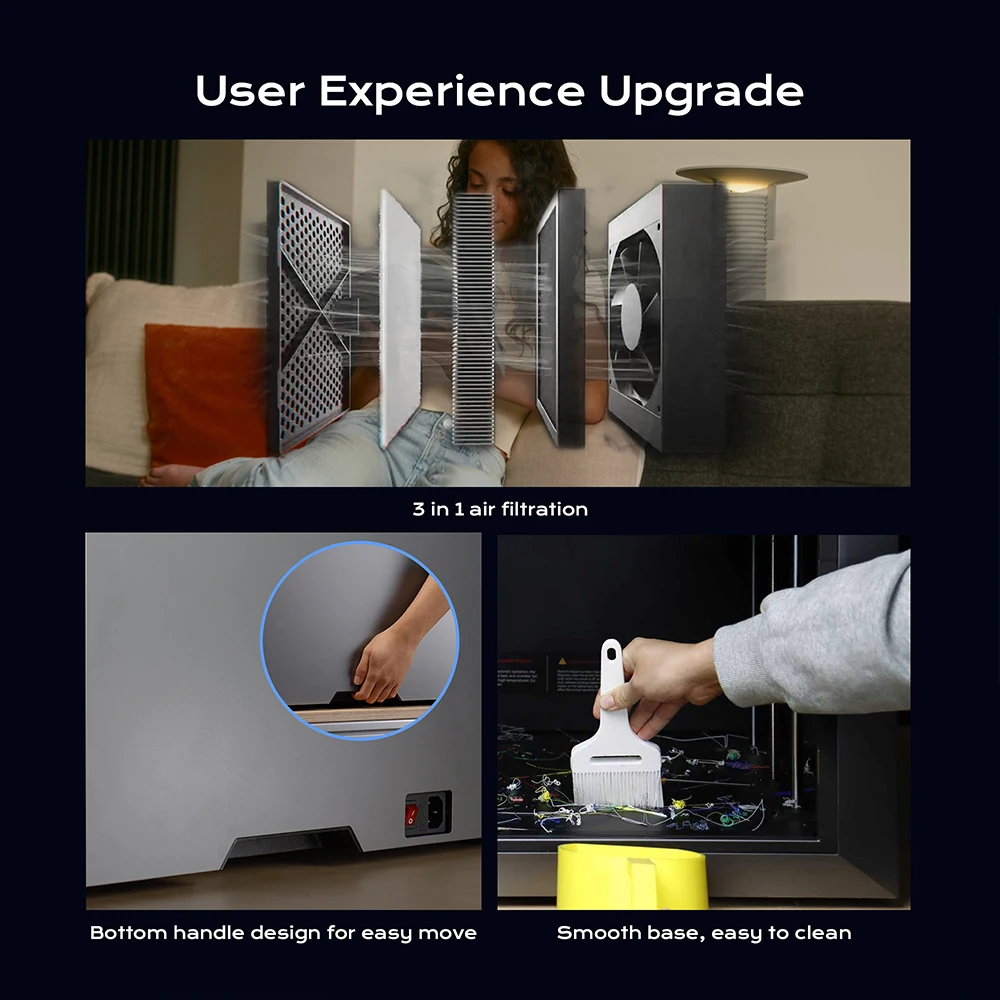
| Air filter | 3-in-1 — G3 pre-filter, H12 HEPA and coconut-shell activated carbon. |
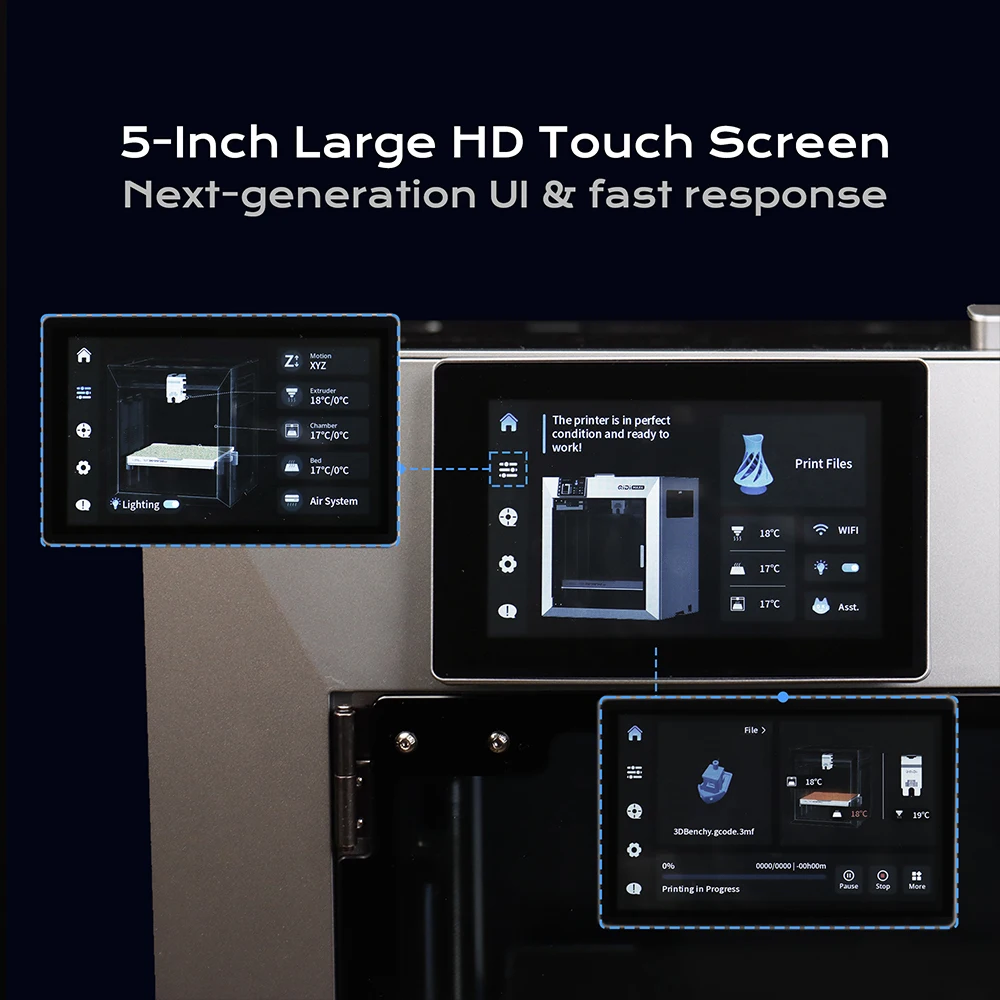
| Display and storage | 5-inch 800×480 touch screen; 32 GB eMMC plus USB 2.0. |
| Connectivity | 2.4 GHz and 5 GHz Wi-Fi, Ethernet and USB; Klipper with OrcaSlicer and PrusaSlicer support. |
| Power | 110 V or 220–240 V depending on region; rated 150 W plus 500 W chamber and 700 W bed heaters. |
| Dimensions | 558 × 578 × 612 mm (21.7 × 19.9 × 19.2 in); Combo net weight 46.5 kg, gross 56 kg. |
| Warranty | one year, parts and labor. |
| In the box | printer, QIDI Box, Polar Cooler, textured PEI plate, spool holder, tools, spare parts and extra Bowden tubes. |
Full research notes and sources
Print quality and the design flaws
PCMag’s August 2026 review praised the build volume and the material range but cited design flaws: the angled auxiliary cooling fan, the noisy QIDI Box filament feeding and a homing malfunction. The instrumented results back up the praise — a tolerance test down to +0.05 mm, a full-volume lampshade printed in about 24 hours, a full-size PETG stool that supported an adult, and a Polymaker CF nylon bracket with no stringing. PLA is not the machine’s forte; ABS, ASA and high-temperature materials are where it earns its keep.
Multi-color printing and the Polar Cooler
The QIDI Box is a 4-spool filament system with RFID detection and 65°C drying, so it doubles as a filament dryer. The trade-offs: the feeder clicks the filament as it pushes, 5–10 mm at a time, which PCMag found noticeably louder than a Bambu Lab AMS. RFID detection works only with QIDI-branded spools; third-party filament needs manual type and color assignment.
The Polar Cooler is an external chilled-air module about the size of a small desktop water chiller, with its own power supply and an insulated hose into the toolhead. Its job is to cut heat creep during high-temperature chamber printing. PCMag felt it was designed as an afterthought and did not fit perfectly with the Box and the printer, and QIDI ships Velcro to keep the tube from rubbing.
Owner reliability reports
Reddit discussions split. Some owners report excellent print quality and dimensional accuracy once settings are dialed in, and owners of the smaller Plus 4 call it reliable over months of use. Others report Z-offset issues, SSR failures, crunchy bearings and MCU errors — one owner said those problems “soured QIDI” for them. A commercial Plus 4 owner reported overheating, sudden stopping, chamber heater failure and toolhead crashes, and accused QIDI support of refusing warranty claims and swapping random parts instead of addressing systemic issues. A new Max4 arrived with a defective bed thermistor and failed before its first Benchy.
These are self-selected Reddit and Facebook reports, not defect rates. Nobody has published a failure rate for the Max4, so read the recurring complaints as known risks rather than confirmed defects. The same caution applies to the Plus 4 power-recovery function, which one owner said “almost never works properly.”
Running costs and upkeep
Expect to buy filament — engineering materials like CF nylon cost more than PLA — plus replacement nozzles, air-filter replacements and spare PTFE tubes for the Box, which uses four. The silicone nozzle sock degrades at 350°C and above, so high-temperature printing wears it faster. The printer itself weighs roughly 90 lbs and the Combo package is well over 120 lbs, so plan the space before it arrives. Belt-tension ports on both sides, a 1.5 mm belt pitch and a front-accessible nozzle make the mechanical side serviceable, and Klipper access goes deeper still.
Is it worth it?
QIDI’s US store lists the Combo at $1,199 and the standalone Max4 at $1,049 on sale ($1,149 regular). PCMag’s August 2026 comparison puts the Bambu Lab P2S at $569, the X1 Carbon Combo at the same $1,199 and the Snapmaker U1 at $849. If you need volume above 300 mm, chamber heating and open Klipper access — and you are willing to troubleshoot — the Max4’s case is strong. If polish and reliability matter more, the X1 Carbon Combo costs the same with a larger community, at 68% less build volume and no active chamber heating. A third-party shop listed the Max4 at $367.15, 65% off $1,049, which looks like a clearance promotion rather than a standard new-unit price; a Czech store lists the Combo at €1,352.59.
Which model this is
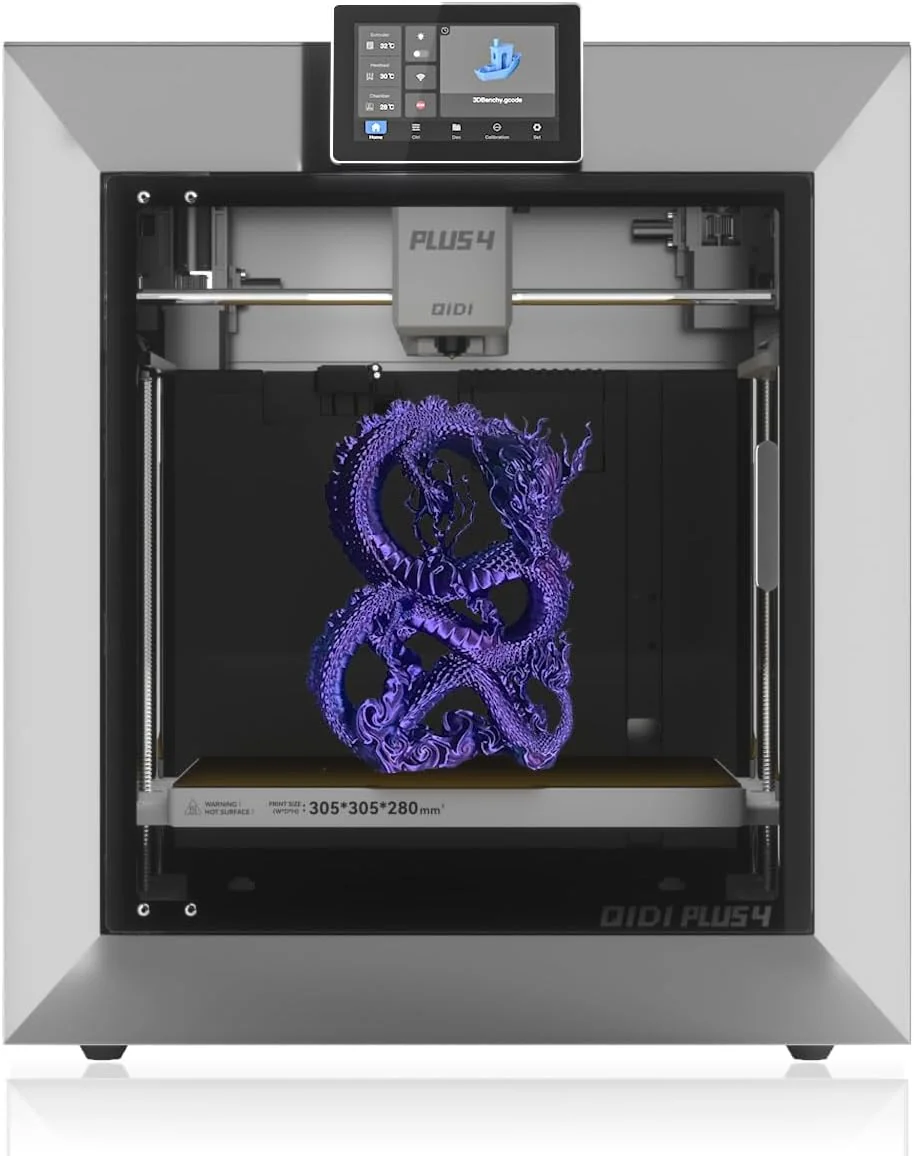
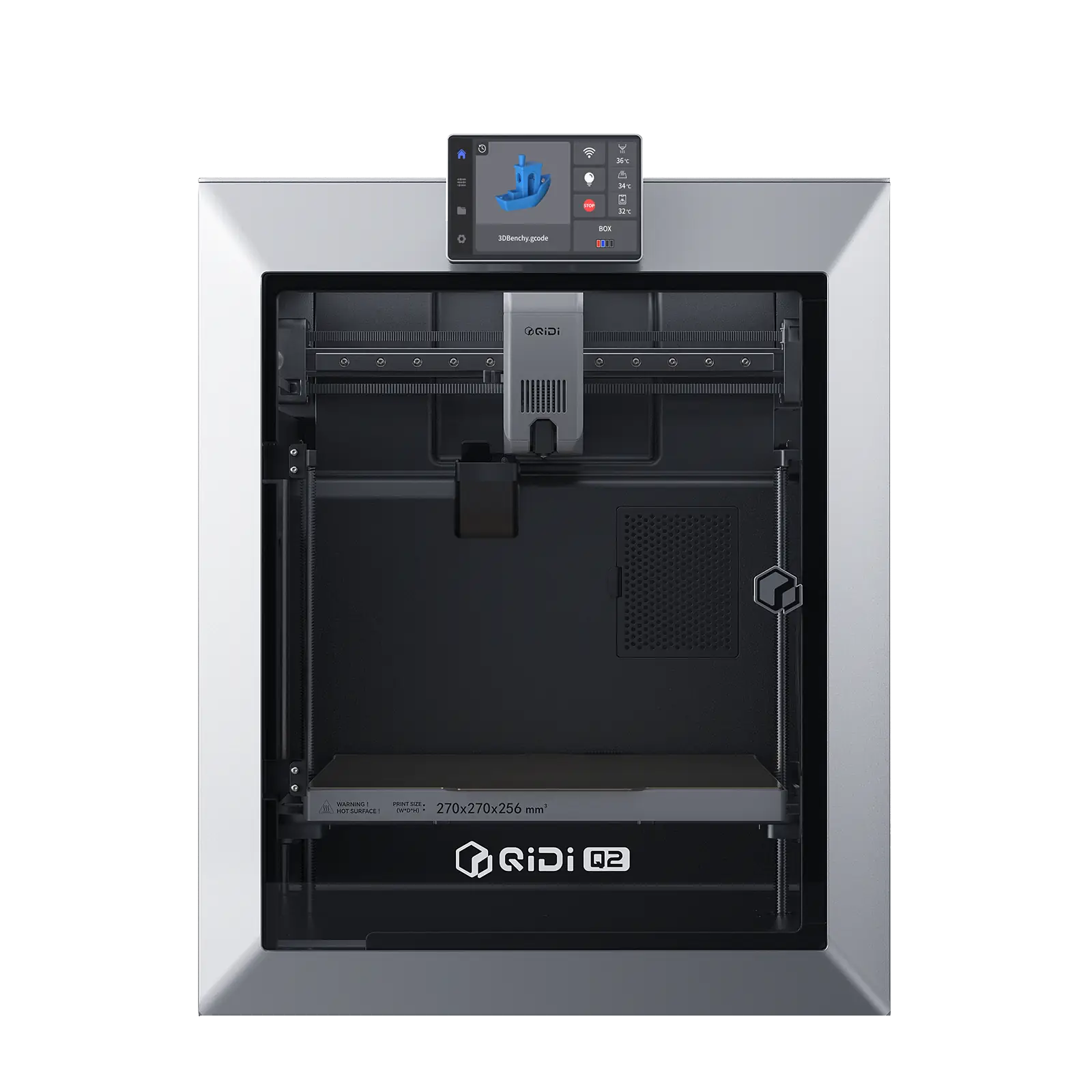
This page covers the QIDI Max4 Combo — the Max4 printer bundled with the QIDI Box and Polar Cooler. Do not merge it with the smaller QIDI Plus 4 (305×305×280 mm), the QIDI Q2 (270×270×256 mm) or the older X-Max 3. The Combo listing is ASIN B0GF87BKPD.
Sources
Manufacturer:
- QIDI Max4 product page
- QIDI USA store listing
- QIDI 3D Printer Comparison 2026 (QIDI Tech blog)
- QIDI Max4 Combo at the Czech store
Independent reviews:
- Qidi Max 4 review: Bumps on the Road to a Big Build Area (PCMag)
- QIDI MAX4 review: large-volume CoreXY 3D printer (AndroidPCtv, Spanish)
- QIDI Max 4 vs Bambu Lab X1 Carbon comparison
Owner reports:
- Honest assessment on purchasing a QIDI Max4 or Bambu Lab H2C (r/3dprinter)
- What should I expect if I buy the Qidi Plus 4/Max 4? (r/QIDI)
- My PLUS 4 is a total disaster (r/QIDI)
- Your thoughts after owning a Plus 4 (r/QIDI)
- Qidi Max4 initial review and issues (Facebook)
Spec sheets and shops: