EPOMAKER Galaxy100 QMK/VIA
By EPOMAKER · Mechanical Keyboards · Home & Workspace
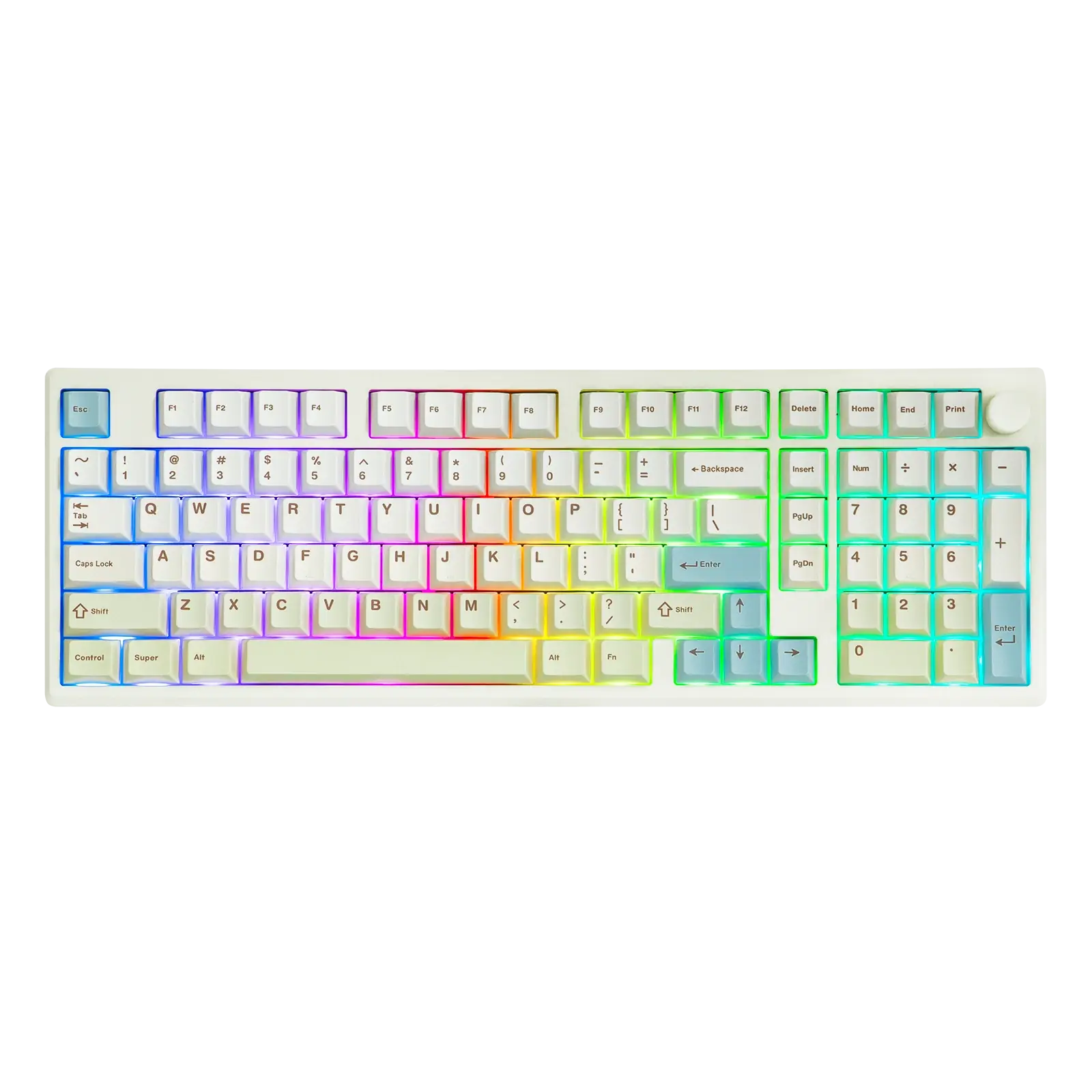
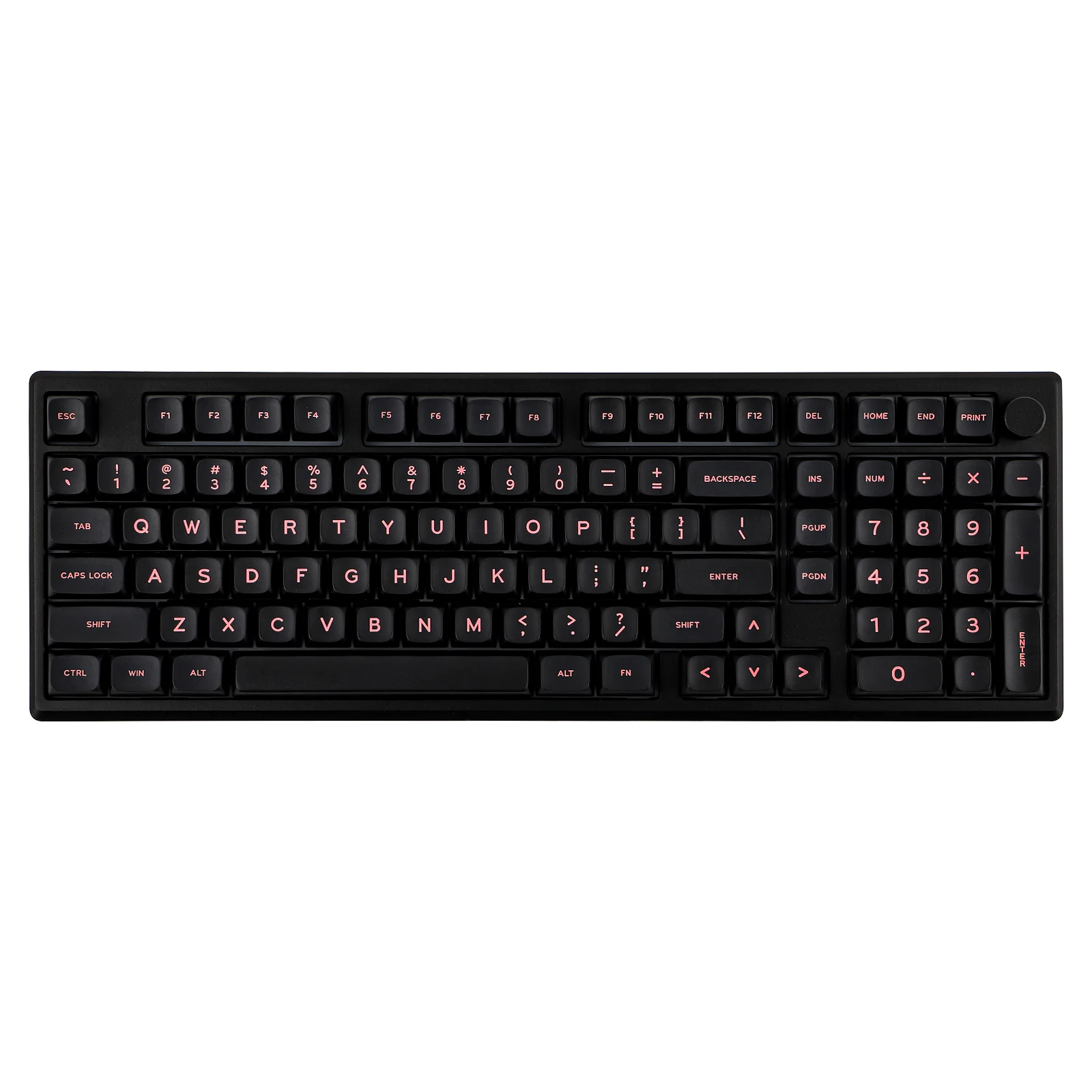
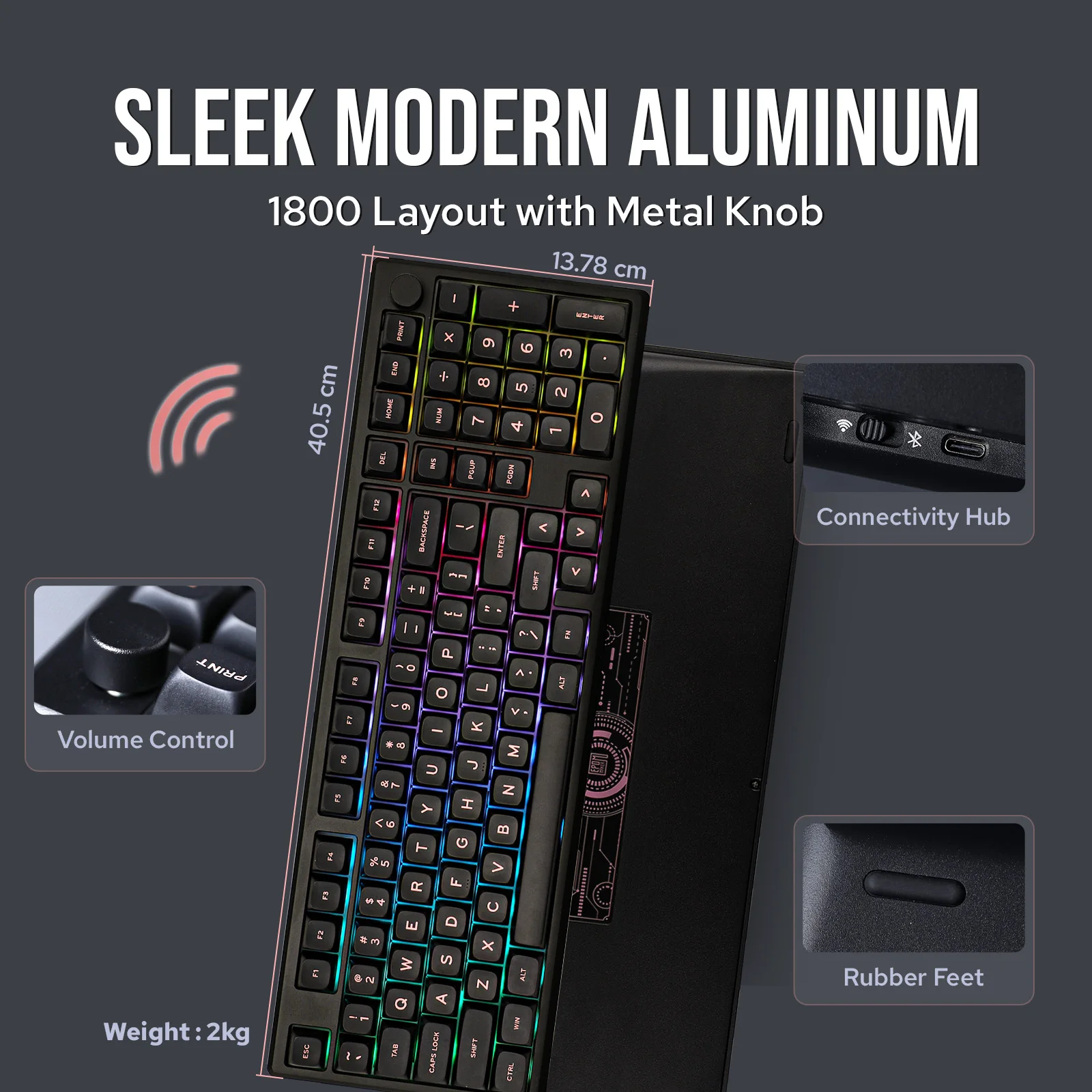
- 1800 (96%) layout with numeric keypad and rotary knob
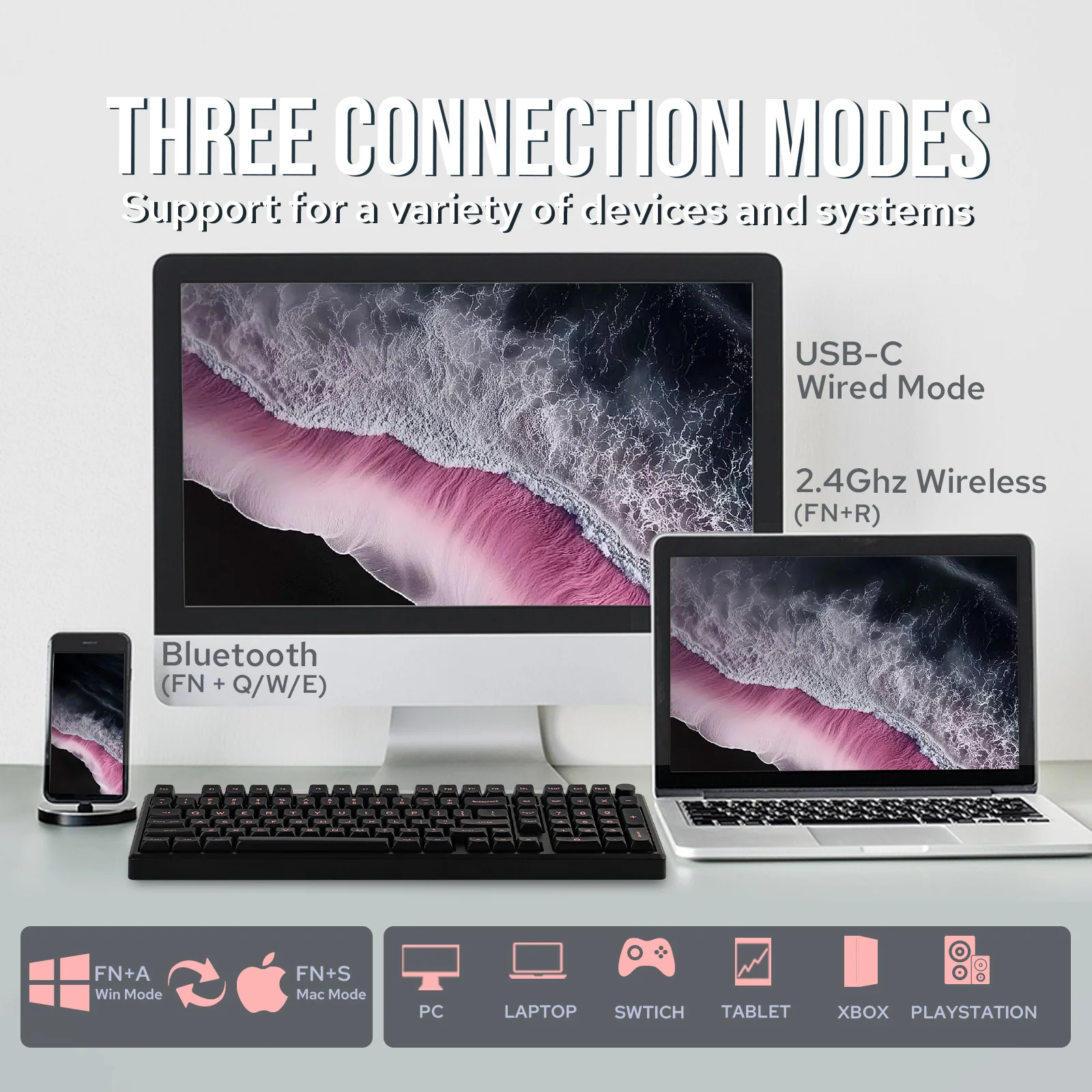
- 8000 mAh battery with 2.4 GHz, Bluetooth and USB-C tri-mode connectivity
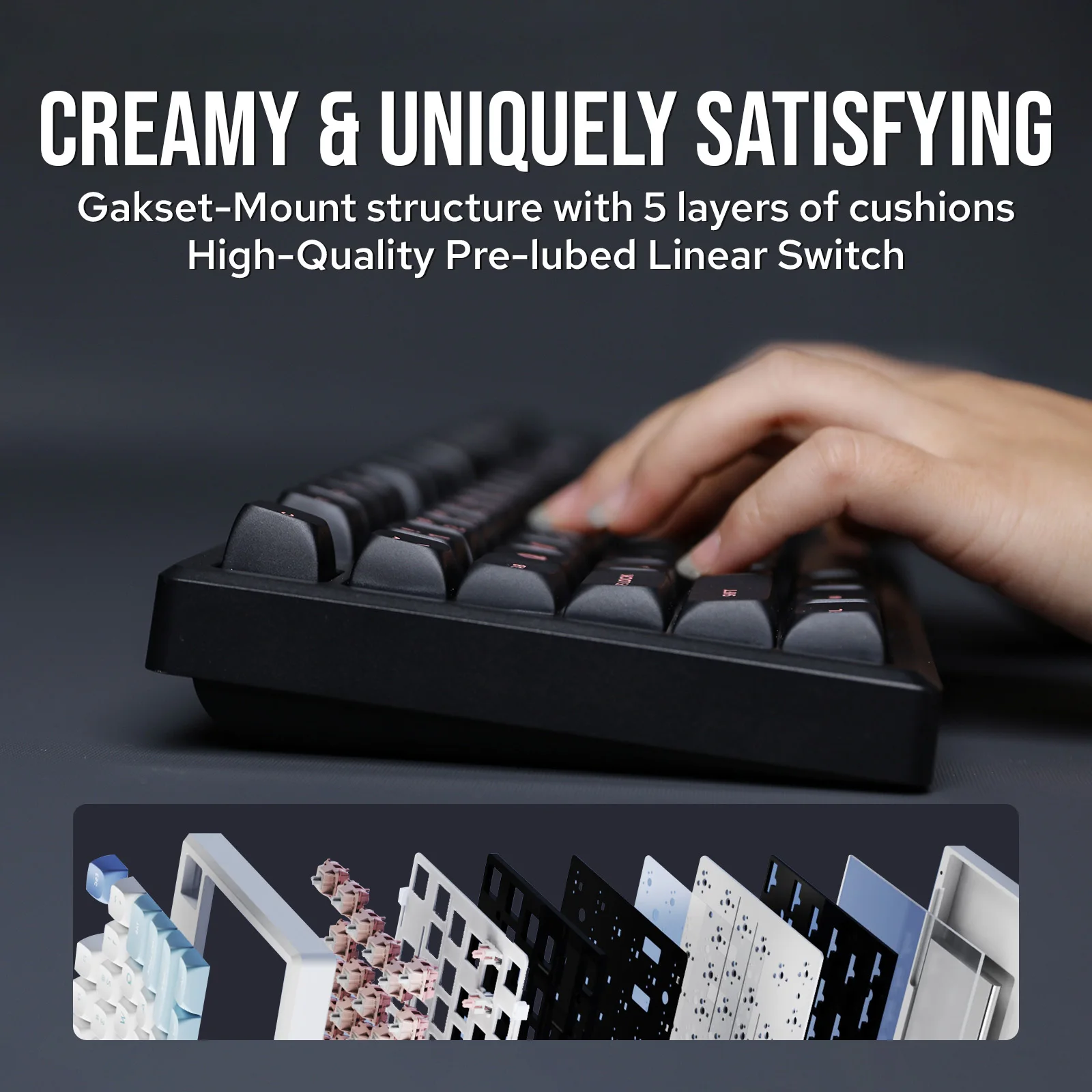
- CNC aluminum-alloy gasket-mounted case with 5 layers of dampening
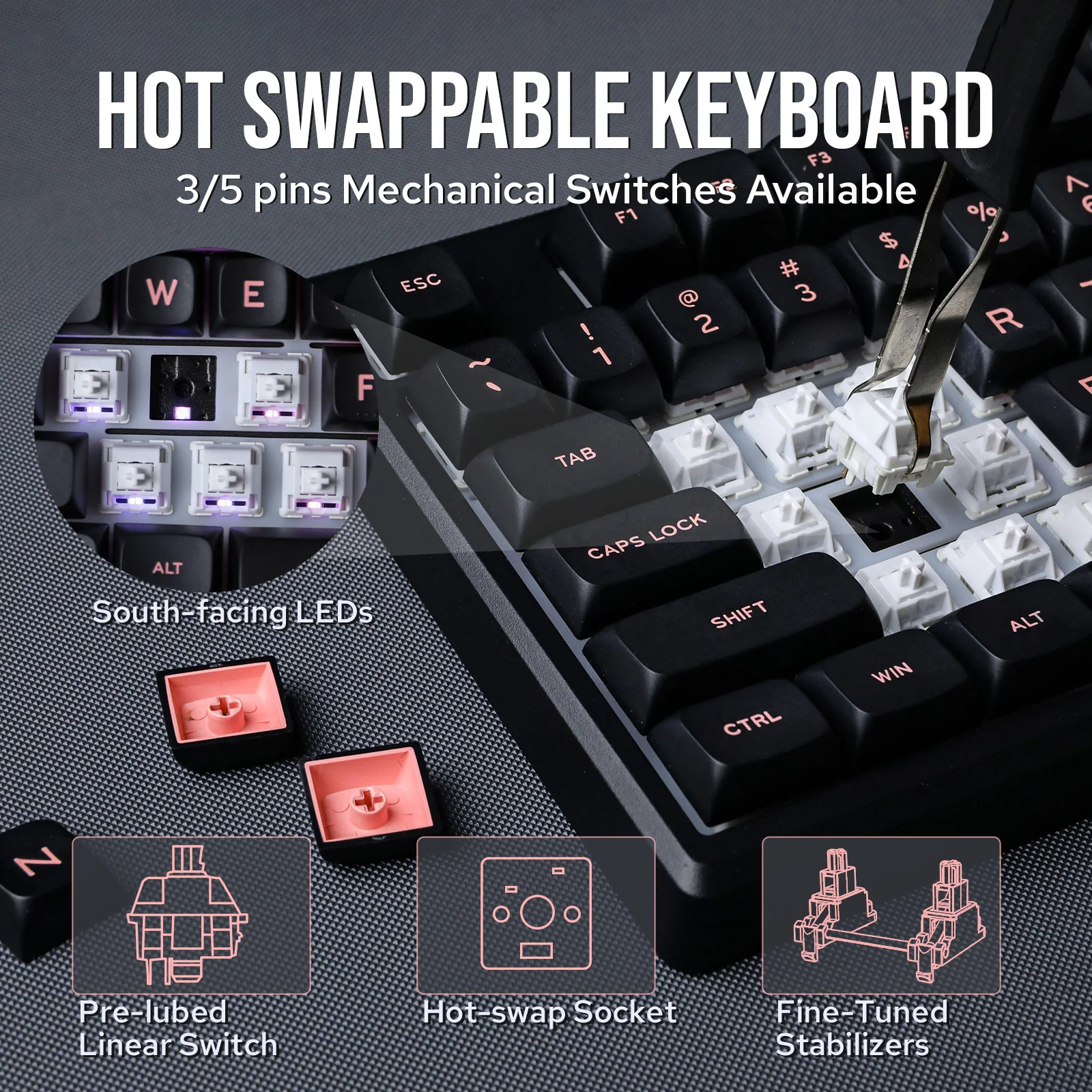
- VIA programmable with hot-swappable 3-pin/5-pin PCB
- South-facing per-key RGB with PBT double-shot keycaps
Lowest price seen
$87.99
from $87.99 at AliExpress · Checked Oct 13, 2026
- AliExpress EPOMAKER Store $87.99View at AliExpress
- EPOMAKERView at EPOMAKER
- NeweggView at Newegg
- Best BuyView at Best Buy
- eBay (used) eBay: used, open-box, refurbishedView at eBay (used)
- eBayView at eBay
- AmazonView at Amazon
Prices are snapshots. Check the current price with the store.
Summary
The EPOMAKER Galaxy100 QMK/VIA is a tri-mode aluminum 1800 (96%) mechanical keyboard with a numpad, a knob, an 8000 mAh battery and VIA/QMK remapping, built for people who want a heavy desktop board without flagship pricing. Check the firmware before you buy: the shipped QMK has known compile and wireless bugs, and the manufacturer’s VIA JSON needs correcting before the keyboard loads at usevia.app.
Strengths
- The CNC aluminum gasket-mounted case feels far heavier and more solid than the price suggests.
- Factory-lubed linear switches, a PP flex-cut plate and five dampening layers give a poppy, marbly sound without case ping.
- The 8000 mAh battery lasts exceptionally long with the backlight off: about 167 hours on 2.4 GHz and about 580 hours on Bluetooth.
- A hot-swappable PCB and VIA remapping let you change switches and layouts without soldering.
- Tri-mode wireless, a rotary knob and a full numpad all land in one board.
- Owners repeatedly call it the best value at around $100.
Weaknesses
- The stock QMK firmware does not compile against current releases without community patches, and wireless stays broken even in patched builds.
- VIA remaps that output shifted characters work only in wired mode.
- The manufacturer’s VIA JSON ships with wrong vendor and product codes, so the keyboard needs a corrected file.
- At about 2 kg, with a fixed 7-degree angle and no adjustable feet, it is strictly a desktop board.
- The MDA keycaps are not shine-through, so per-key RGB does little with the stock set.
- One owner reports a chance that the unit you get will have a flickering backlight.
Verified specifications
| Model | Galaxy100. |
|---|---|
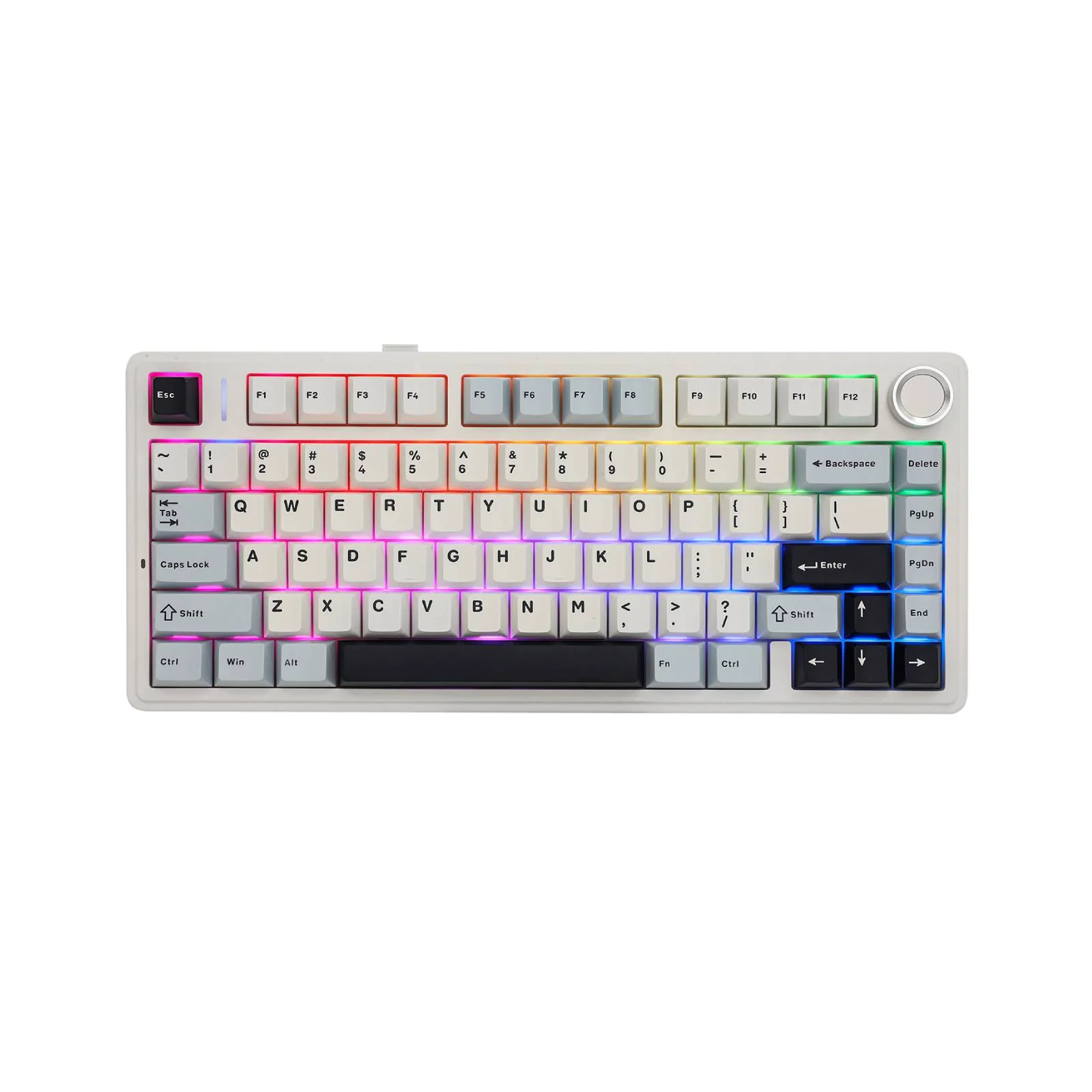
| Layout | 1800 (96%) ANSI US, 100 keys plus one knob. |
| Case | CNC aluminum alloy, powder-coated. |
| Weight | about 2 kg; Notebookcheck measured 2,019 g. |
| Dimensions | 405 × 137.8 × 32.3 mm (40.5 × 13.78 × 3.23 cm); front height 19.5 mm. |
| Typing angle | fixed at about 7 degrees, with no adjustable feet. |
| Plate | PP with horizontal flex cuts. |
| Mounting | gasket mount with silicone gaskets. |
| PCB | 1.2 mm, hot-swappable, supports 3-pin and 5-pin switches. |
| Stabilizers | plate-mount, with screw-in support on the PCB. |
| Switches | Feker Marble White linear (45–47 gf) or Epomaker Wisteria Linear (45–62 gf). |
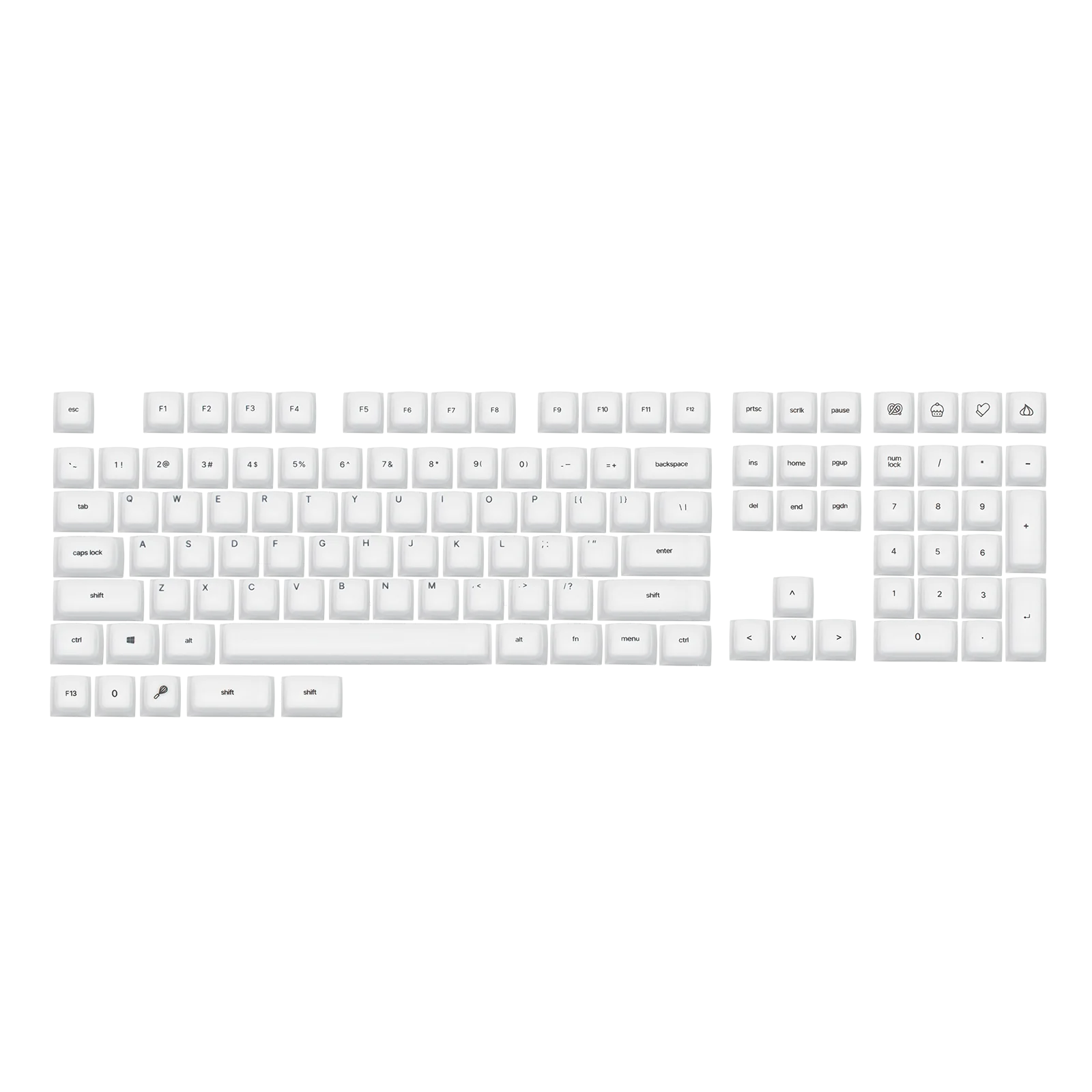
| Keycaps | PBT, MDA profile (Cherry on the White colorway). |
| Connectivity | USB-C wired, 2.4 GHz wireless, Bluetooth 5.0. |
| Polling rate | 1000 Hz over USB and 2.4 GHz, 125 Hz over Bluetooth. |
| Latency | manufacturer-stated 2.81 ms (USB), 4.72 ms (2.4 GHz), 15 ms (Bluetooth). |
| Battery | 8000 mAh. |
| RGB | south-facing, per-key. |
| Anti-ghosting | N-Key Rollover. |
| Software | VIA in the browser, QMK, Epomaker Hub. |
| Compatibility | Windows, Mac and Android; not PS4, PS5 or Switch. |
| Dampening | five layers. |
Full research notes and sources
Build and typing feel
The case is CNC-machined aluminum with a powder-coated finish, sitting on silicone gaskets over a PP plate with horizontal flex cuts. Notebookcheck found no fit-and-finish faults and described the sound as poppy and marbly, with no intrusive case ping; it flagged mild stabilizer ticking and an echoey spacebar as the only noise issues. Forbes called it one of the heaviest keyboards it had used and noted a little flex on the right side under hard pressure. Keycap wall thickness measured about 1.5 mm.
Firmware and VIA
The software is where the Galaxy100 asks for the most patience. The stock QMK firmware fails to compile against QMK versions newer than 0.28.10 without patches, wireless does not work in the community-patched firmware, and the End, Print Screen and Num Lock RGB indicators are broken by missing pin definitions. VIA handles macros and basic remapping, with 15 macro slots across five layers, but a remap that outputs a shifted character works only over the wire. The VIA JSON that ships with the keyboard carries wrong vendor and product codes, so you need the community-corrected file to load it at usevia.app. EPOMAKER now publishes a separate JSON for units bought after October 2025, which points to a revision, but it is not documented whether that fixes the compile and remap bugs.
Battery life and wireless
With the backlight off, Notebookcheck measured about 0.6% battery drain per hour over 2.4 GHz, for roughly 167 hours, and about 0.17% per hour over Bluetooth, for roughly 580 hours. Max RGB cuts 2.4 GHz runtime to about 3.2% per hour, or roughly 31 hours. All three connection modes worked without dropouts or noticeable lag in HLPlanet’s testing, and the manufacturer’s stated latency figures are 2.81 ms wired, 4.72 ms on 2.4 GHz and 15 ms over Bluetooth. One catch for Mac users: the keyboard can wake a Mac from sleep over Bluetooth, and EPOMAKER has said it is looking into it.
Which model this is
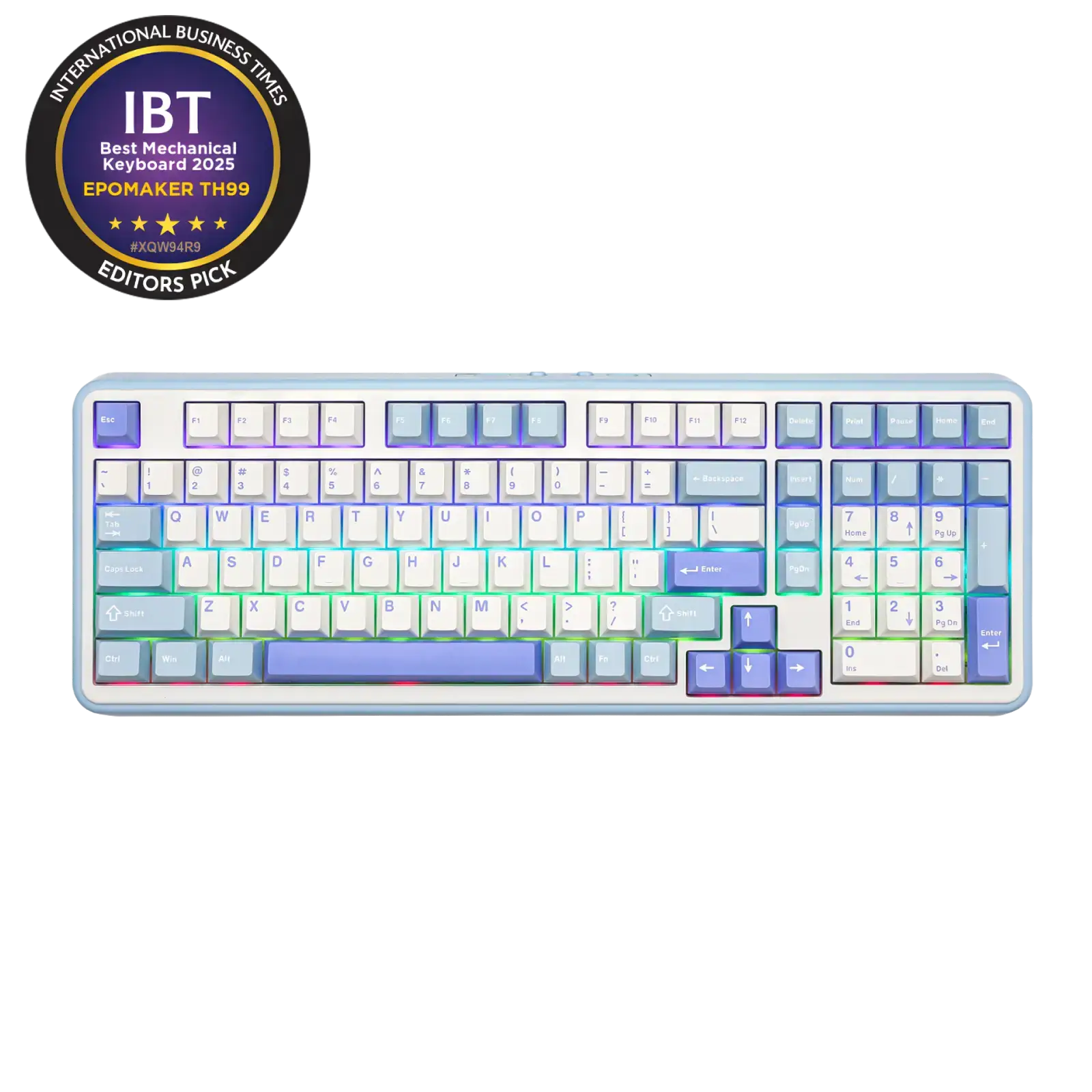
Galaxy100 covers one hardware model sold in Black, Grey and White Purple colorways; the Black version ships with Feker Marble White switches, and the Grey and White Purple versions use different keycap profiles. Retailer part numbers differ from EPOMAKER’s own naming, so match on the model name before buying. The keyboard uses an 1800 (96%) ANSI layout and is not the cheaper Galaxy100 Lite, a plastic-case sibling that owners often mention as an alternative.
The ASIN for the black Feker Marble White listing is B0DKNKB28C.
Is it worth it?
At $100 or less the Galaxy100 is strong value: the aluminum case, gasket mount, hot-swap PCB and long battery life are hard to match in a numpad board. From $101 to $110 it is still a good buy if the firmware quirks do not bother you. Between $111 and $130 the value narrows, because aluminum boards with more mature firmware enter the picture. Above $130 the QMK and VIA problems are harder to accept.
EPOMAKER’s own store listed it at $98.99 against a $109.99 regular price (EPOMAKER, 2026), Notebookcheck listed the Feker version at $109.99 and the Wisteria at $119.99 (Notebookcheck, 2025), and RedDB tracked $109.99. Replacement keycaps, if you want shine-through, run about $20 to $30.
Sources
Manufacturer:
- EPOMAKER Galaxy100 QMK/VIA product page
- Galaxy100 VIA JSON for units purchased after October 2025
- Galaxy100 VIA JSON file
- Refund policy
- Terms of service
- Galaxy100 QMK/VIA user manual (Manuals.plus)
Independent reviews:
- Notebookcheck hands-on review
- Forbes: built like the proverbial tank
- HLPlanet review
- GameRevolution review
- Wccftech hands-on review
- iGeekPhone review
- MyGamingDiaries Grey review
- XiaomiToday review
- CdrInfo Galaxy 100
Owner reports: