Cleaning & Smart Home
Robot Vacuums
19 robot vacuums compared side by side — specs, features and trade-offs, with current commerce details checked at the retailer.

Choose by what matters
Jump straight to what fits your situation — use-case chips point to products that match those features. Price/rating leader chips stay off until approved API data is available.
Every product we track
Roborock Saros 10R
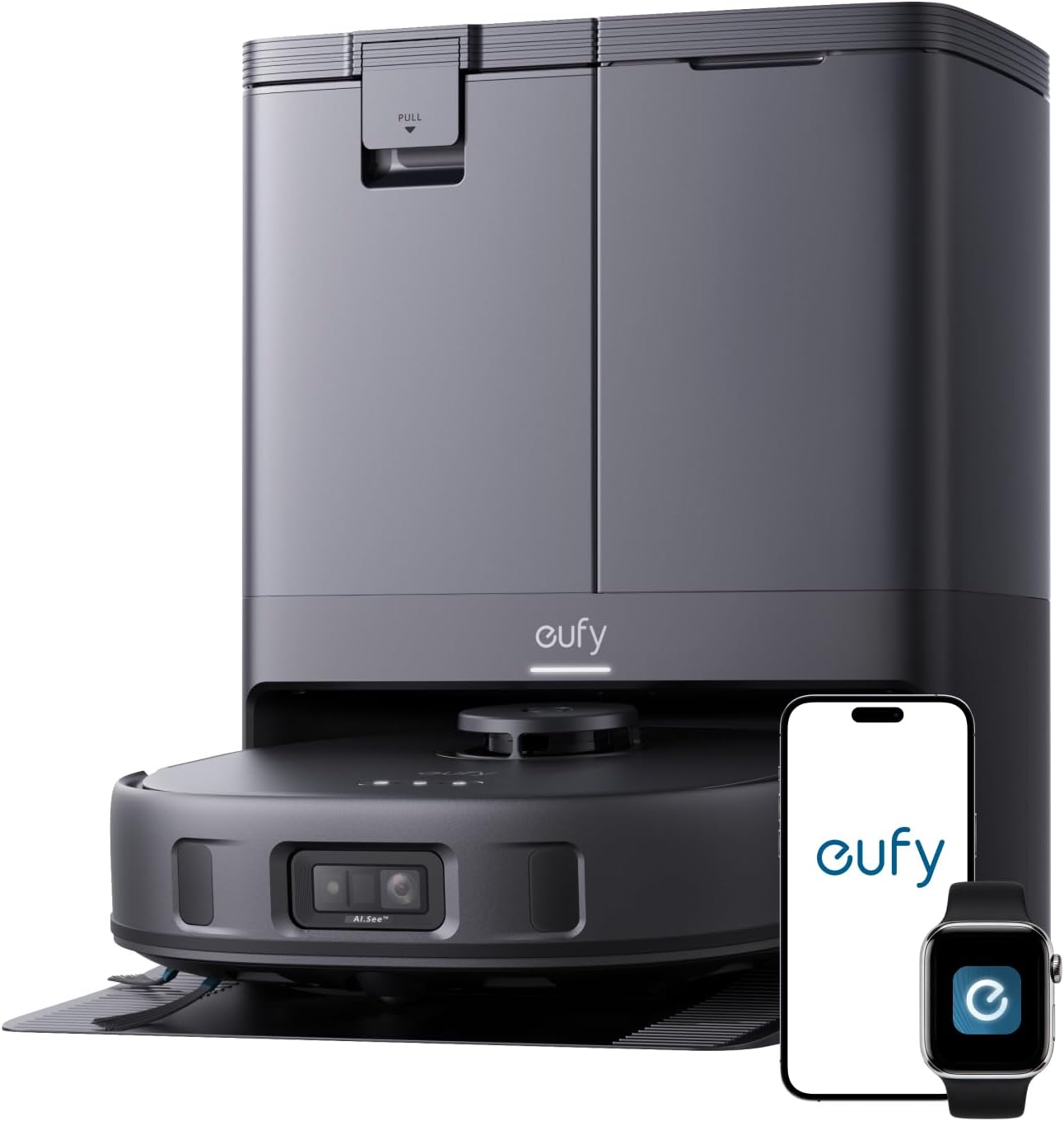 eufy X10 Pro Omni
iRobot Roomba Combo 10 Max (X085020)
eufy X10 Pro Omni
iRobot Roomba Combo 10 Max (X085020)
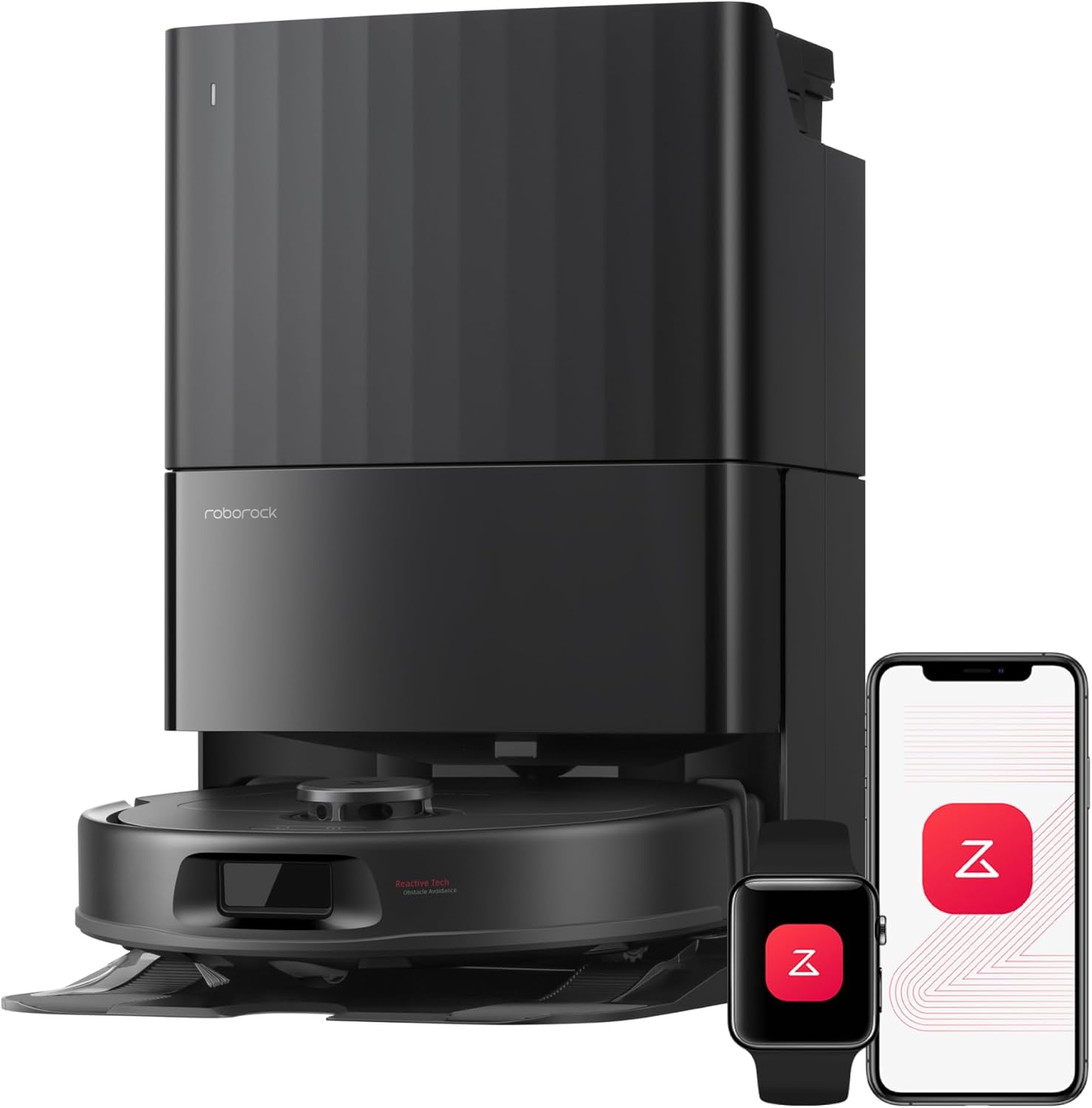 roborock Qrevo S Pro Robot Vacuum and Mop, 18,500Pa Suction
 ROPVACNIC Robot Vacuum & Mop, 5200Pa
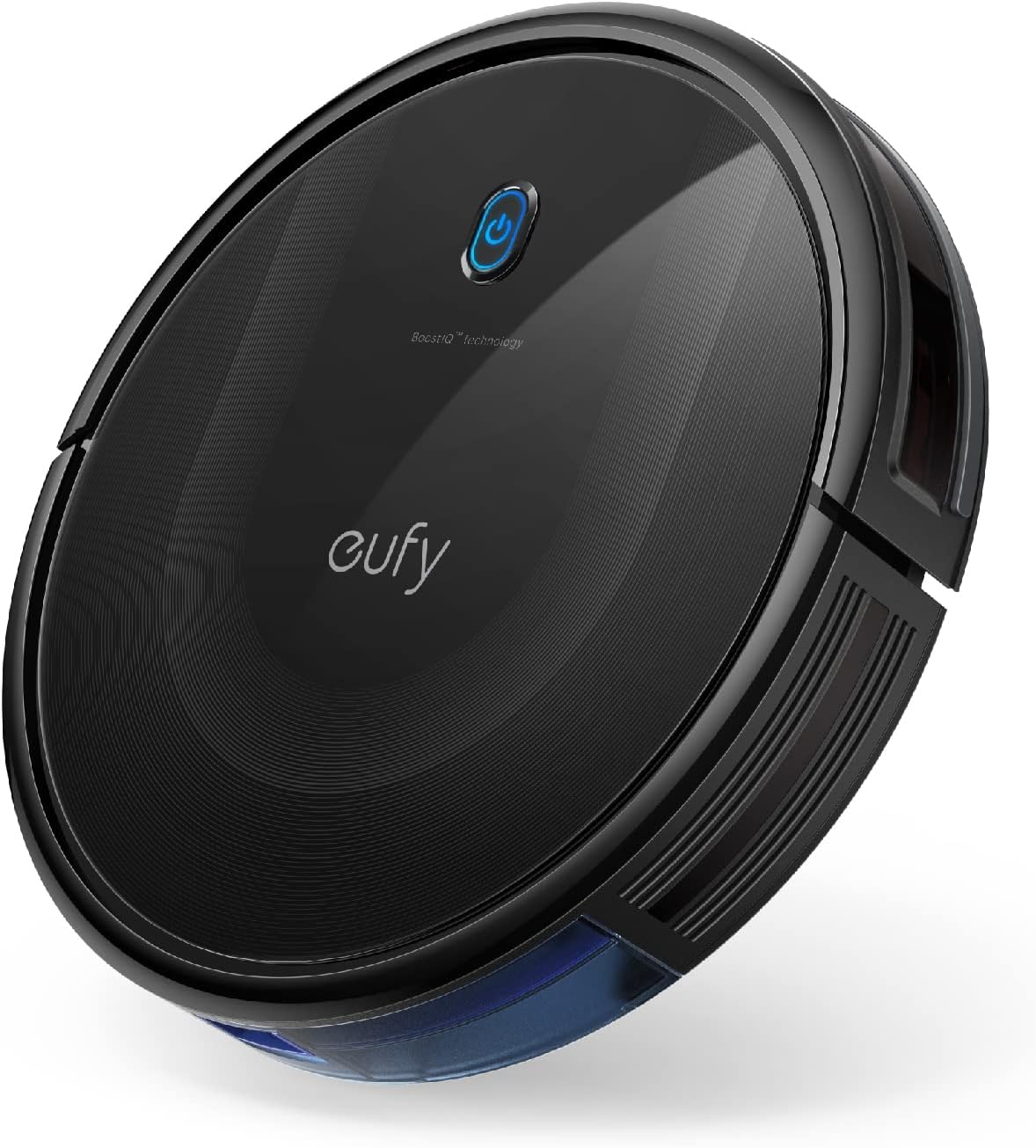 eufy 11S MAX Robot Vacuum
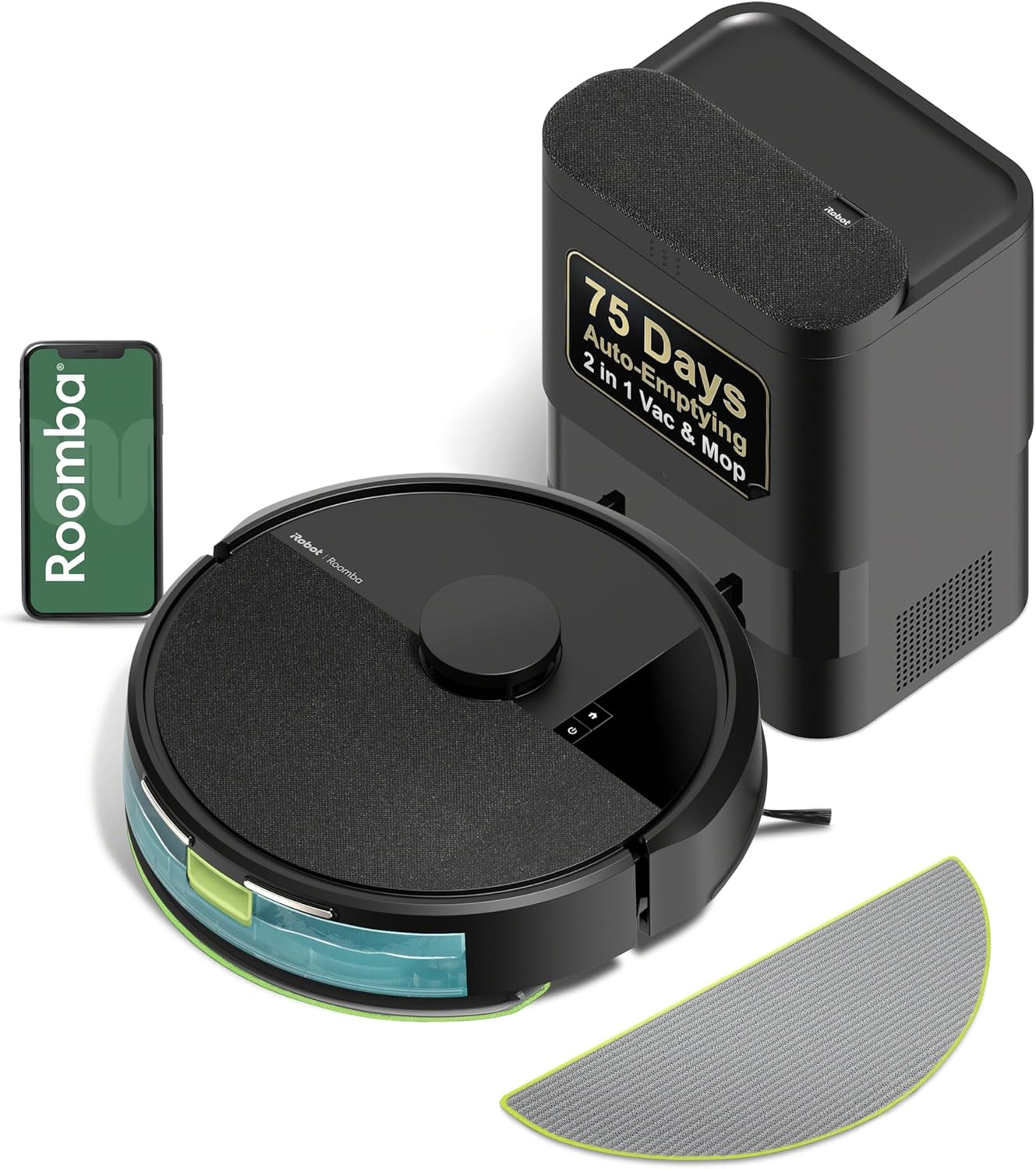 iRobot Roomba 105 Combo with AutoEmpty Dock
 Shark AV2511AE AI Ultra Robot Vacuum, Black/Silver, Carpet and Hard Floor
 dreame L40 Ultra Gen 2 Robot Vacuum & Mop
 Tikom Robot Vacuum & Mop, 5000Pa
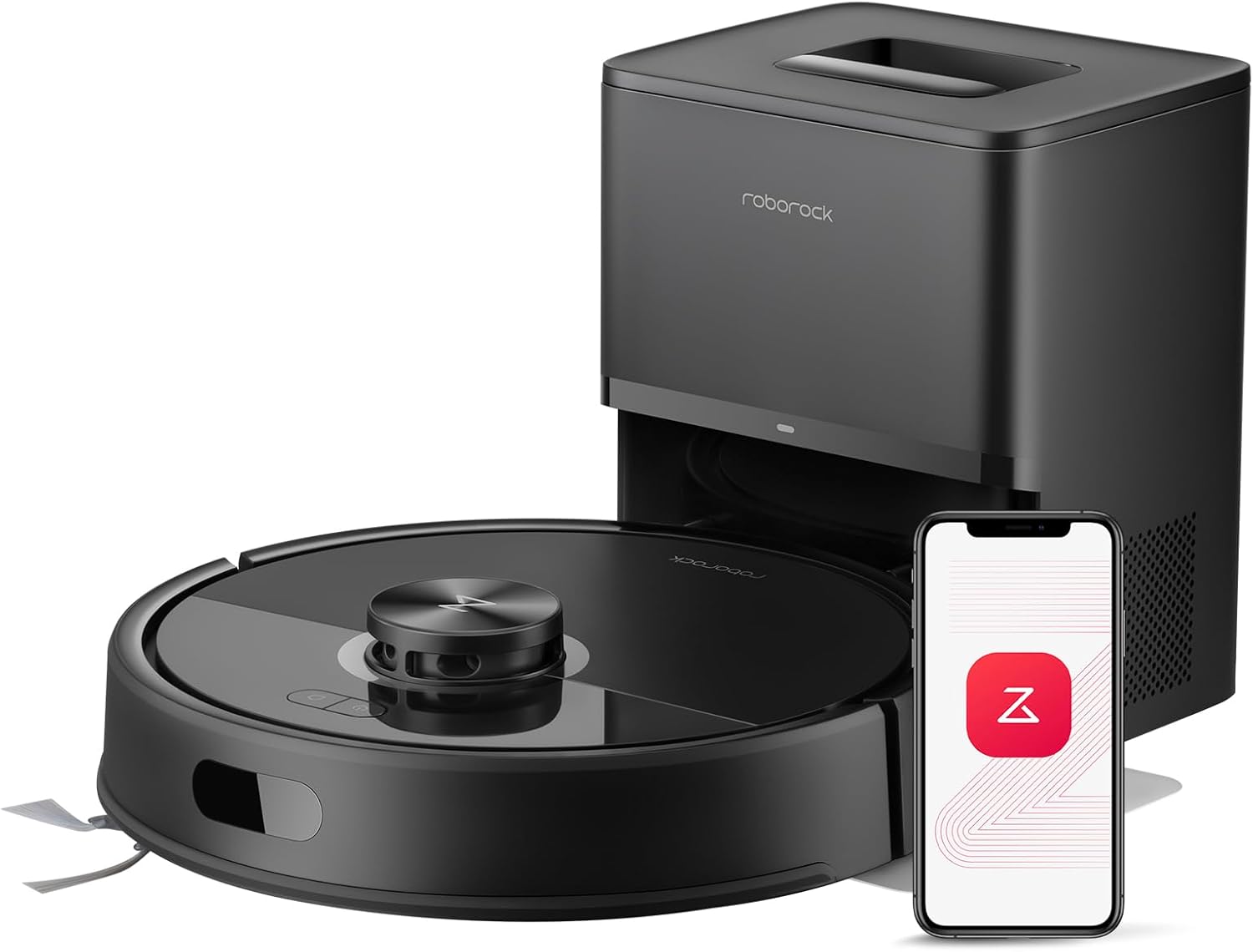 roborock Q7 M5+ Robot Vacuum with Self-Empty Dock
 Shark Matrix Plus 2-in-1 Robot Vacuum & Mop with Self-Empty Base
 roborock Qrevo 2 Pro Robot Vacuum and Mop
 eufy E25 Robot Vacuum and Mop Combo
 ECOVACS DEEBOT T90 PRO Omni Robot Vacuum and Mop
 roborock Q7 M5 Robot Vacuum and Mop Combo
 iRobot Roomba 105 Vac Robot Vacuum
 dreame D20 Air Plus Robot Vacuum and Mop
 Tikom L8000 Plus Robot Vacuum and Mop with Self-Emptying Base
Tap a product to jump to its breakdown — specs and honest pros/cons. Verify current price and retailer rating at the retailer.
Buying guides for this category
Frequently asked questions
Can a robot vacuum-mop combo actually replace mopping by hand?
For daily light maintenance -- dust, light spills, everyday grime -- on sealed hard floors, yes, and the auto-wash/auto-refill docks now on the market make this genuinely hands-off. For deep-cleaning sticky or heavily soiled floors, most owners still do an occasional manual deep mop, since robot mop pads apply less pressure and a lighter water volume than mopping by hand.
Will a robot vacuum's mop pad make my carpets wet?
Modern combo units auto-lift or auto-retract the mop pad when sensors detect carpet, specifically to avoid wetting it. This is one of the more meaningfully differentiated specs between models, so if you have mixed flooring, check that a given model actually lifts the pad (not just avoids driving over carpet) before buying.
How much maintenance does a self-emptying, self-washing dock actually need?
Expect to empty or replace the dust bag roughly every one to two months depending on household size and pet hair, refill or empty the clean and dirty water tanks every few mopping cycles, and periodically wipe down the mop-washing tray and check the water-line filters for buildup. It's meaningfully less hands-on than a basic robot vacuum with no dock, but not fully zero-maintenance.
Is higher suction (Pa rating) actually the most important spec to compare?
It's one input, not the whole picture. Pa measures peak suction at the motor, but real cleaning performance also depends on brush design, airflow path, and how well the robot avoids getting stuck. A model with lower Pa but a well-designed brush and better navigation can outperform a higher-Pa model with poor floor contact, especially on hard floors and low-pile carpet.
Do robot vacuums work well in homes with a lot of cords or clutter on the floor?
Models with camera or AI-based obstacle avoidance, increasingly standard on mid-range-and-up units, handle cords and small objects noticeably better than older bump-sensor-only robots. No robot vacuum handles heavy clutter as well as a clear floor, though -- picking up cords and small items before a cleaning run still meaningfully improves results and reduces the chance of a snagged brush roll.