Home & Workspace
Office Chairs
16 office chairs compared side by side — specs, features and trade-offs, with current commerce details checked at the retailer.

Choose by what matters
Jump straight to what fits your situation — use-case chips point to products that match those features. Price/rating leader chips stay off until approved API data is available.
Every product we track
Duramont Ergonomic Office Chair with Lumbar Support
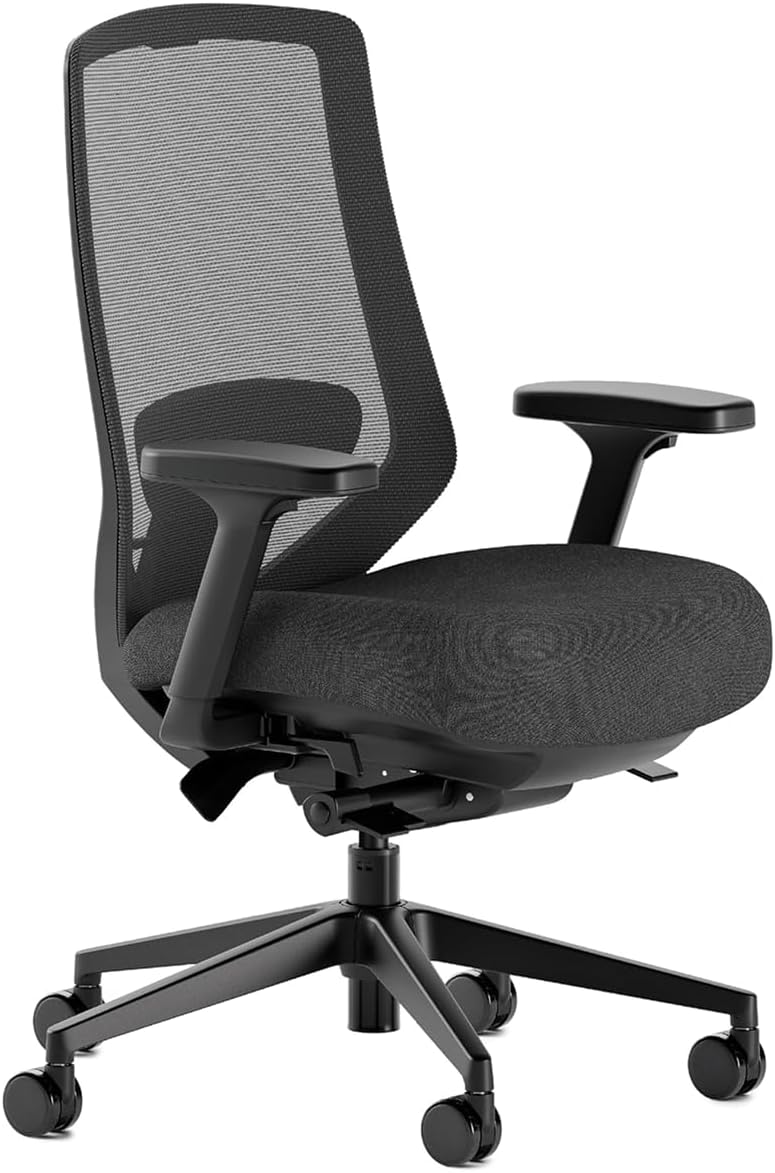 Branch Ergonomic Chair Pro
 Hbada E3 Pro Ergonomic Office Chair
 Steelcase Series 1 Work Office Chair
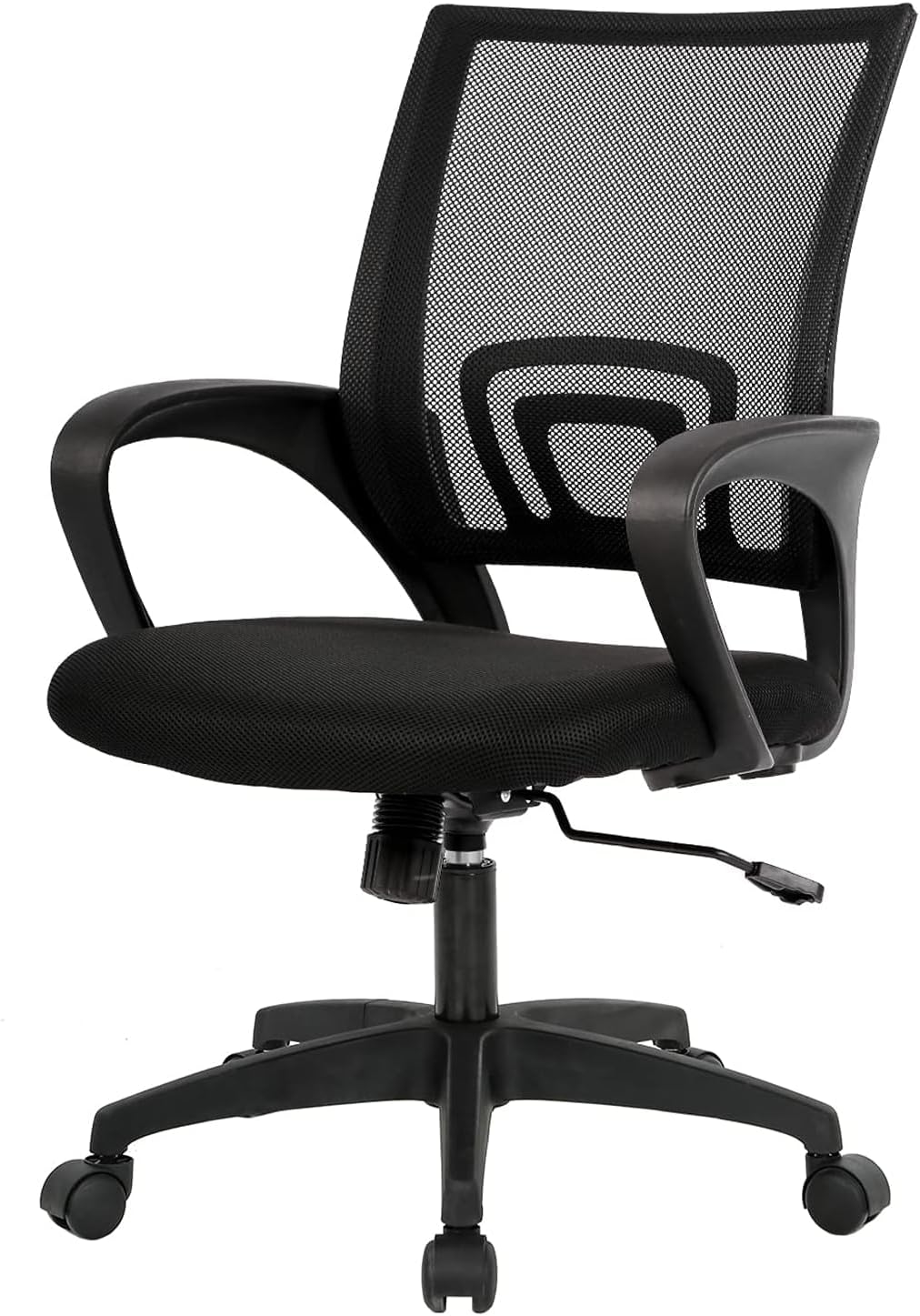 BestOffice Mid-Back Ergonomic Office Chair
 Sweetcrispy Executive Mesh Office Chair
 TRALT Office Chair - Ergonomic Desk Chair with Adjustable Lumbar Support, Mesh Computer Chair, Executive Chairs for Home Office Comfortable Lumbar Support (Black)
 Marsail High-Back Mesh Ergonomic Office Chair
 YFO Brown Leather Executive Office Chair with Lumbar Support
 GABRYLLY High-Back Mesh Ergonomic Chair with Headrest
 TRALT Gaming-Style Ergonomic Office Chair
 Upgraded Ergonomic Gaming Chair for Adults
 DUMOS Criss Cross Chair Wide Fabric Vanity Desk Seat
 SIHOO M18 Ergonomic Office Chair with Mesh Back and Headrest
 NEO CHAIR Ergonomic Mid-Back Mesh Desk Chair
 ELABEST X100 Ergonomic Mesh Office Chair with Footrest
Tap a product to jump to its breakdown — specs and honest pros/cons. Verify current price and retailer rating at the retailer.
Buying guides for this category
Frequently asked questions
How much should you actually spend on an office chair?
For someone sitting 6+ hours a day, most ergonomic-focused reviewers put the useful floor around $150-200 (real adjustability, a mesh or cushioned back that holds up) and diminishing returns past roughly $600-900 unless you specifically need commercial BIFMA certification or a 10+ year warranty for heavy daily office use.
What does 'BIFMA rated' actually mean, and does it matter for home use?
BIFMA is a furniture-industry testing standard for stability, durability, and safety under repeated use and load -- it's mainly a signal of how the chair will hold up over years of commercial-grade daily use. For occasional home use it's a nice-to-have reassurance, not a strict requirement; for a chair used 8 hours a day, it's a genuinely useful data point.
Is lumbar support adjustability worth paying more for?
Yes for most people, if the fixed lumbar curve on a cheaper chair doesn't line up with your own lower back -- height-adjustable (and ideally depth-adjustable) lumbar support lets you actually match the support to your spine instead of the other way around. It matters less if a chair's fixed curve already happens to fit you well.
Mesh back vs padded/upholstered back: which runs cooler and which lasts longer?
Mesh backs breathe better and stay noticeably cooler over long sitting sessions, which is why most ergonomic-focused chairs default to mesh. Padded/upholstered backs can feel plusher initially but the foam and fabric are usually the first thing to visibly wear or flatten with years of daily use, while mesh tension tends to degrade more gradually.
How many 'points of adjustment' do you actually need?
Seat height, armrest height, and some form of lumbar adjustment cover the basics most people benefit from. Extras like armrest width/depth/pivot, seat depth, and headrest tilt matter more the more hours you spend in the chair or the more your body type differs from an 'average' fit -- they're comfort refinements, not strictly required for a functional ergonomic setup.