Kitchen & Cooking
Espresso Machines
15 espresso machines compared side by side — specs, features and trade-offs, with current commerce details checked at the retailer.

Choose by what matters
Jump straight to what fits your situation — use-case chips point to products that match those features. Price/rating leader chips stay off until approved API data is available.
Every product we track
Breville Bambino Plus
 De'Longhi Dedica Arte
 Breville Barista Express Impress
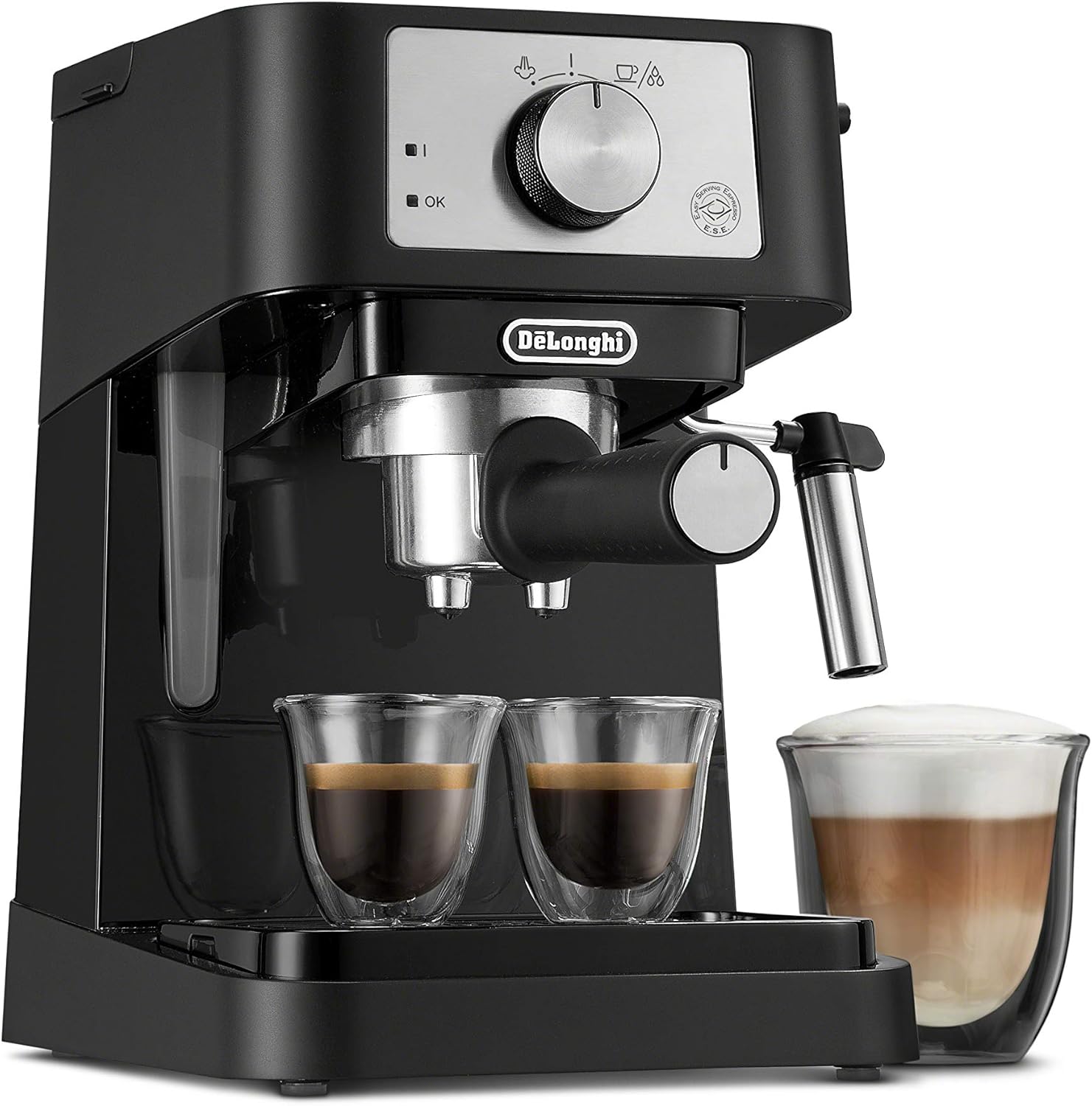 De'Longhi Stilosa Compact Manual Espresso Machine, Manual Milk Frother
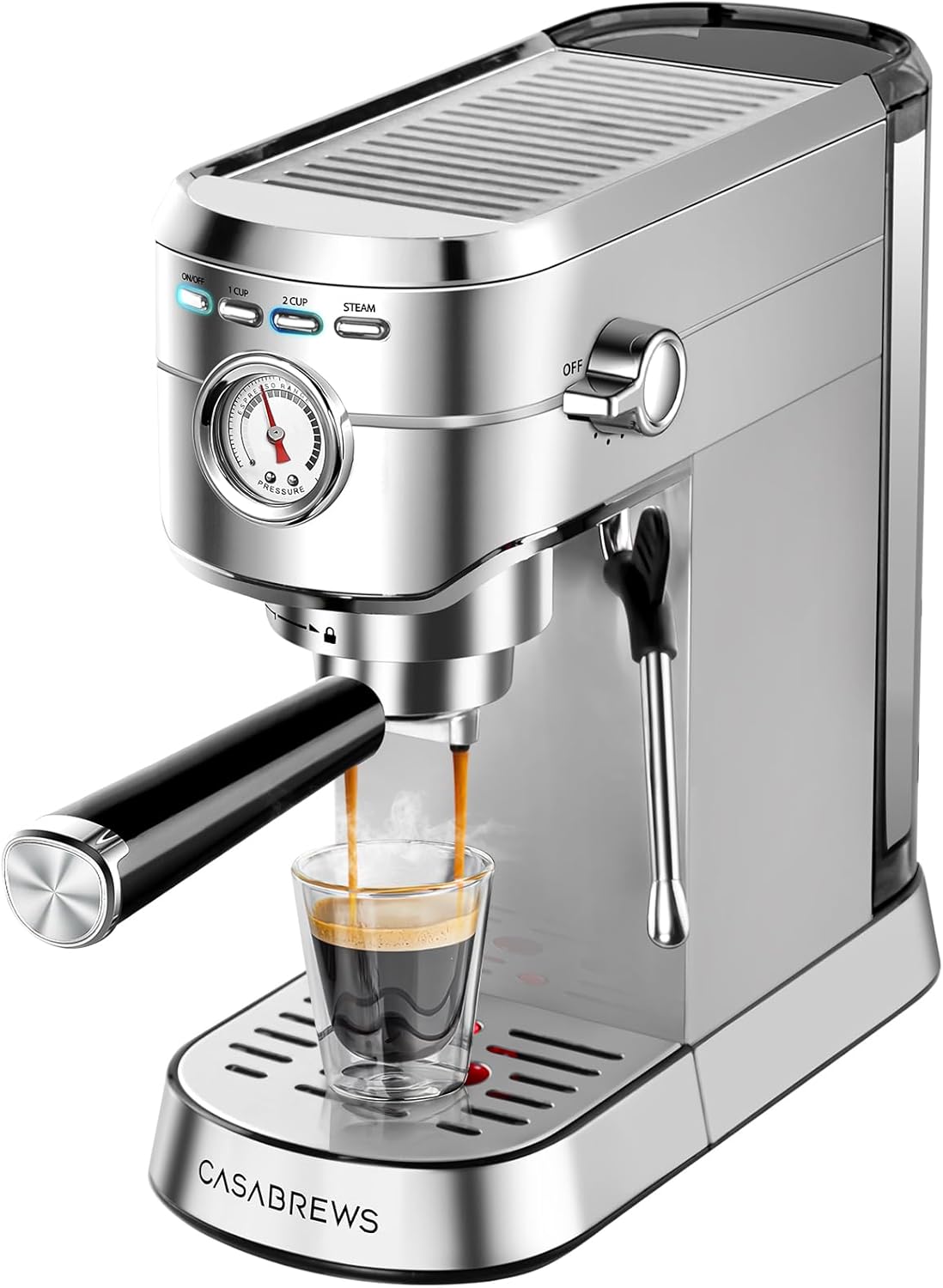 CASABREWS CM5418 Espresso Machine with Steam Wand
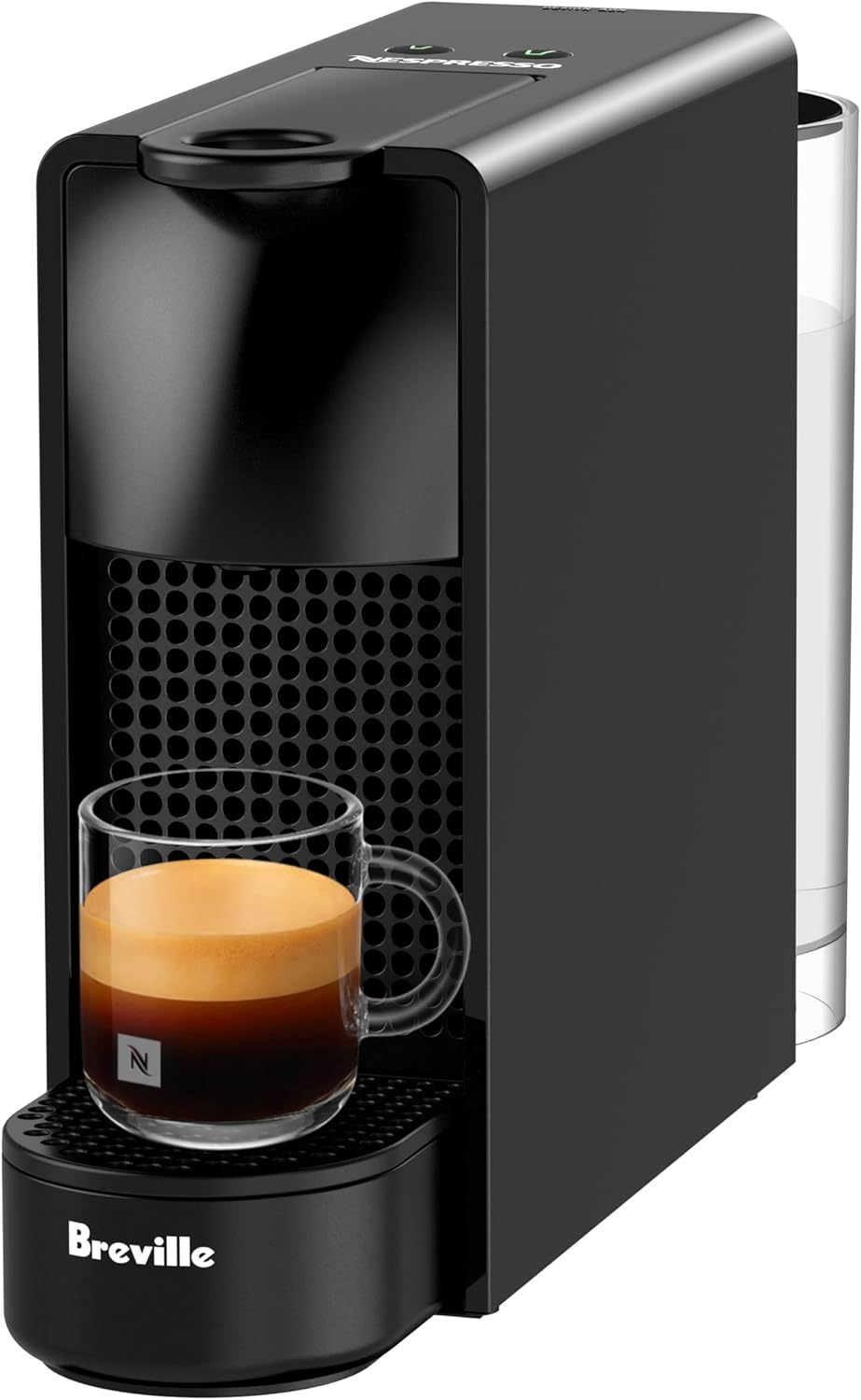 Breville Nespresso Essenza Mini Espresso Machine
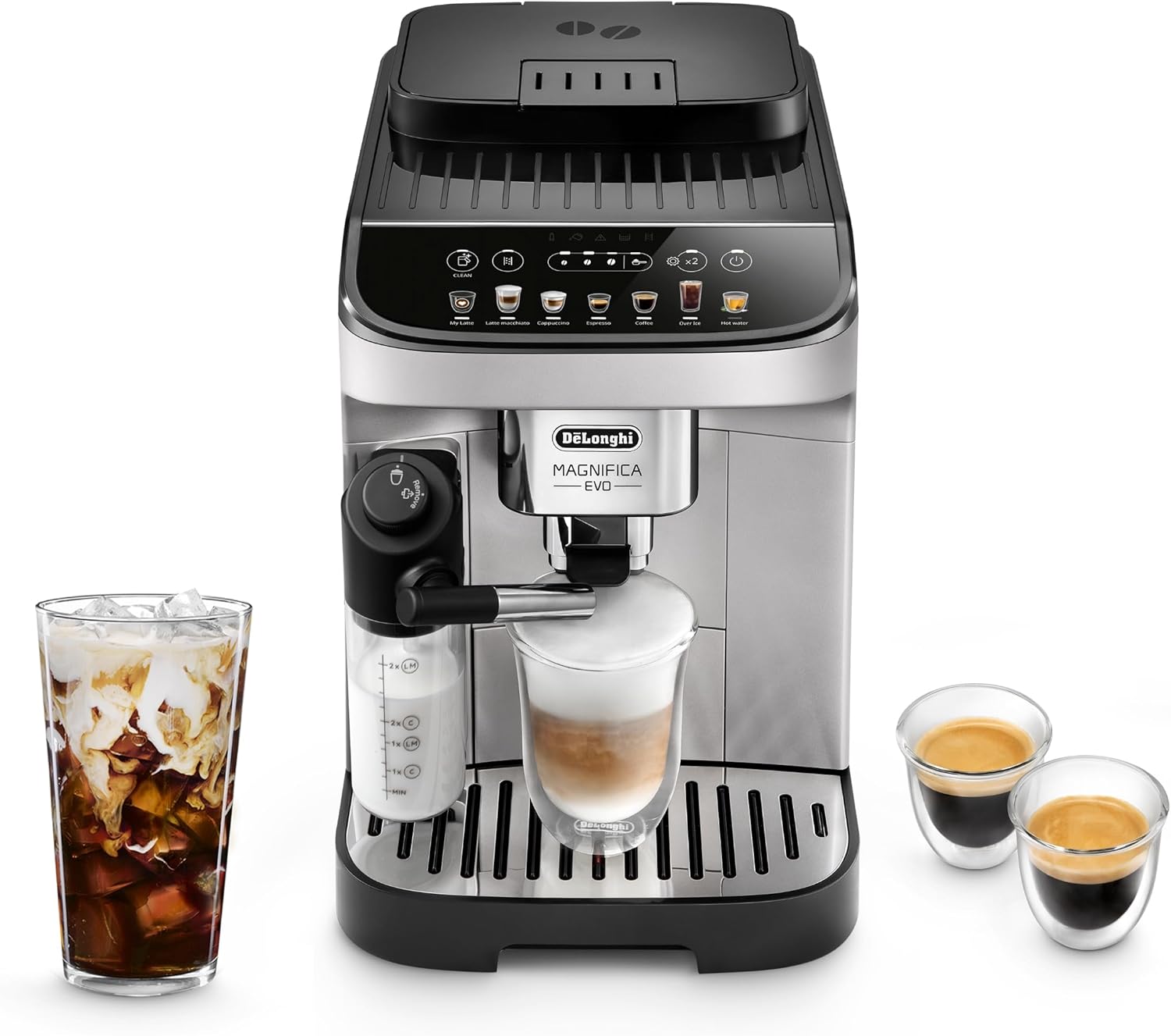 De'Longhi Magnifica Evo Automatic Espresso Machine
 CASABREWS 3700 Essential Espresso Machine with Steam Wand
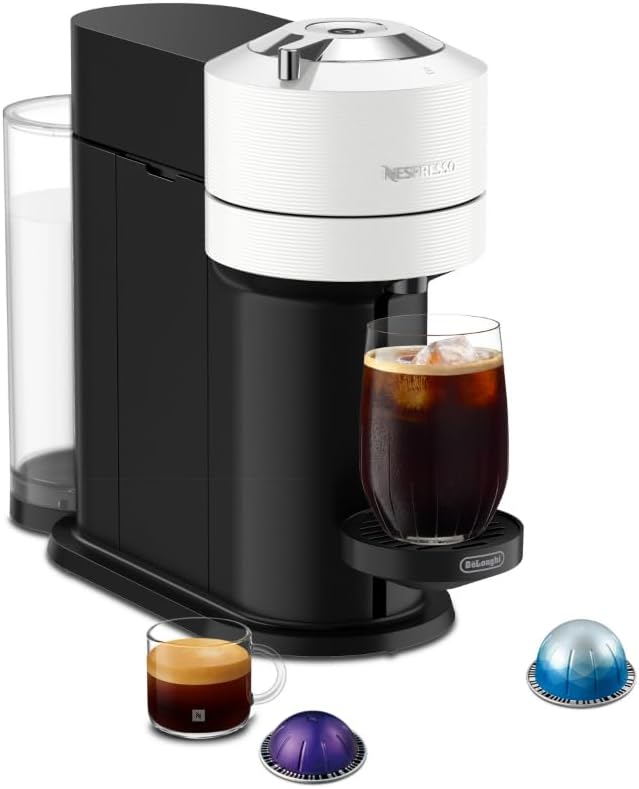 Nespresso Vertuo Next Coffee and Espresso Maker by De'Longhi
 SHARDOR Espresso Machine 20 Bar, Professional Espresso Machine with Milk Frother and Touchscreen, Expresso Coffee Machines with Adjustable Temperature,for Cappuccino, Latte, Stainless Steel, Silver
 atatix EM3111 20-Bar Espresso Machine with Milk Frother
 EUHOMY Espresso Machine with Grinder and Milk Frother
 CHULUX Slim Espresso Machine with Milk Frother
 Neretva 20 Bar Super Compact Espresso Machine
 CASABREWS Ultra Espresso Machine with Steam Wand and LCD Display
Tap a product to jump to its breakdown — specs and honest pros/cons. Verify current price and retailer rating at the retailer.
Buying guides for this category
Frequently asked questions
Do I need a separate grinder if I buy an espresso machine without a built-in one?
Yes, and it matters more than most beginners expect. Espresso needs a much finer, more consistent grind than drip coffee, and pre-ground coffee -- even bags labeled "espresso roast" -- loses freshness and the correct particle-size consistency within days. A dedicated burr grinder is effectively a required second purchase for any machine that doesn't already include one.
What's the real difference between a 15-bar pump rating and actual espresso quality?
Properly extracted espresso only needs about 9 bars of pressure at the puck -- the "15-bar" spec quoted on most home machines refers to the pump's maximum output, with an internal valve regulating it down to roughly 9 bars during actual brewing. In practice, 15-bar has become a baseline marketing spec across nearly all home machines and isn't a meaningful differentiator between models on its own.
Is automatic milk texturing actually as good as manually steaming milk yourself?
Automatic texturing, using a wand that self-regulates steam and air injection, reliably produces good microfoam with zero technique required, which is genuinely useful for day-to-day consistency. A skilled user manually steaming milk can achieve equal or better microfoam and more control over texture, for latte art, for example, but it takes practice to get there -- automatic is the more consistent choice for someone who doesn't want to learn the technique.
How long does it really take to heat up and pull a shot day to day?
This varies a lot by heating system -- thermocoil-style machines can be ready in as little as a few seconds to a couple of minutes, while traditional single- or dual-boiler machines often need 10-20-plus minutes to fully stabilize temperature after being off. If you want espresso ready quickly every morning without leaving the machine on all day, heat-up time is worth weighing alongside price.
Does a bigger boiler matter if I'm only making one or two drinks at a time?
Less than you'd think for just one or two drinks -- a smaller boiler still comfortably handles a shot and a milk drink. The bigger boiler's main advantage shows up when making several drinks back-to-back, like for guests, where it recovers temperature faster and doesn't need to reheat between each shot.