3D Printing
3D Printers
4 3d printers compared side by side — specs, features and trade-offs, with current commerce details checked at the retailer.
Choose by what matters
Jump straight to what fits your situation — use-case chips point to products that match those features. Price/rating leader chips stay off until approved API data is available.
Every product we track
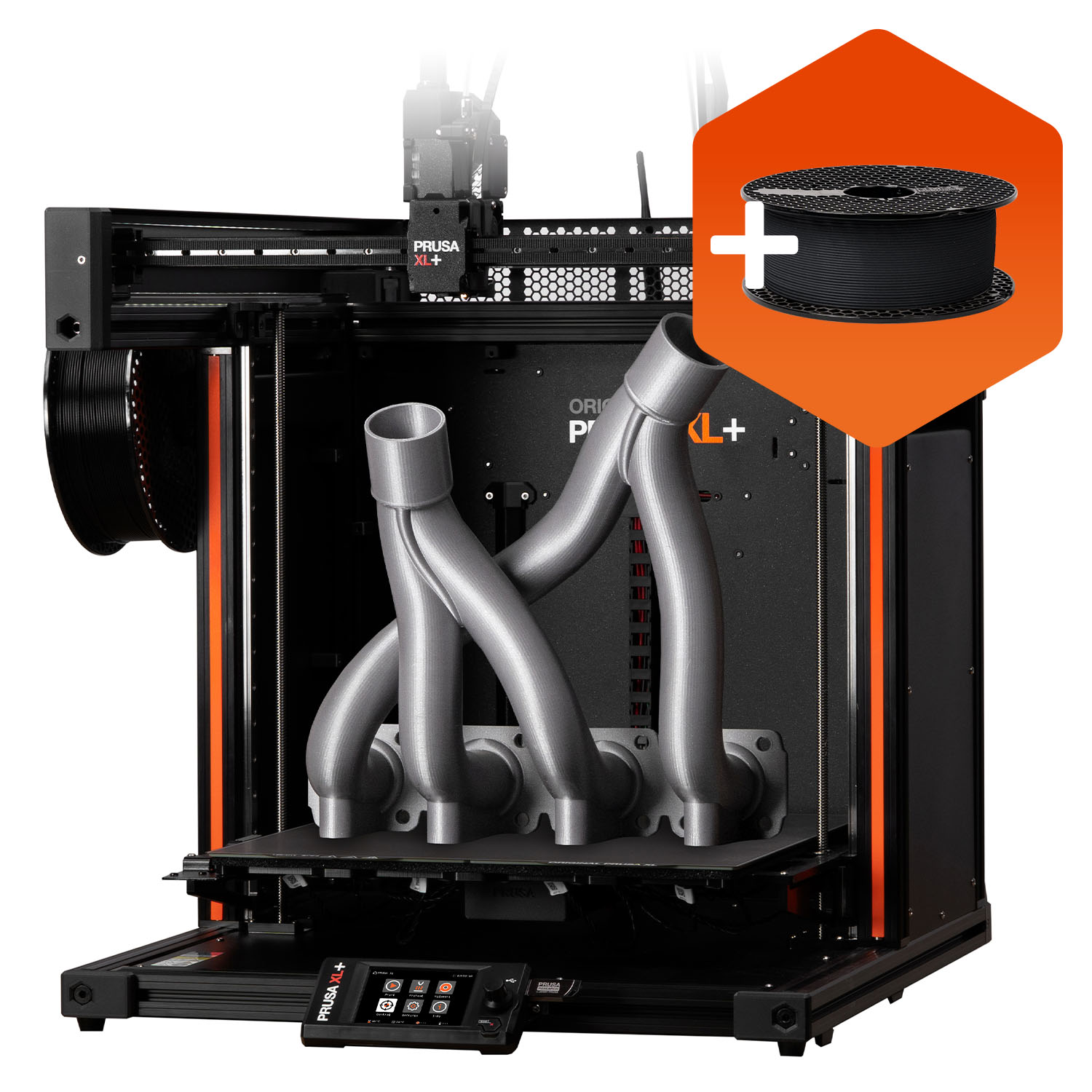
Original Prusa XL (5-toolhead)
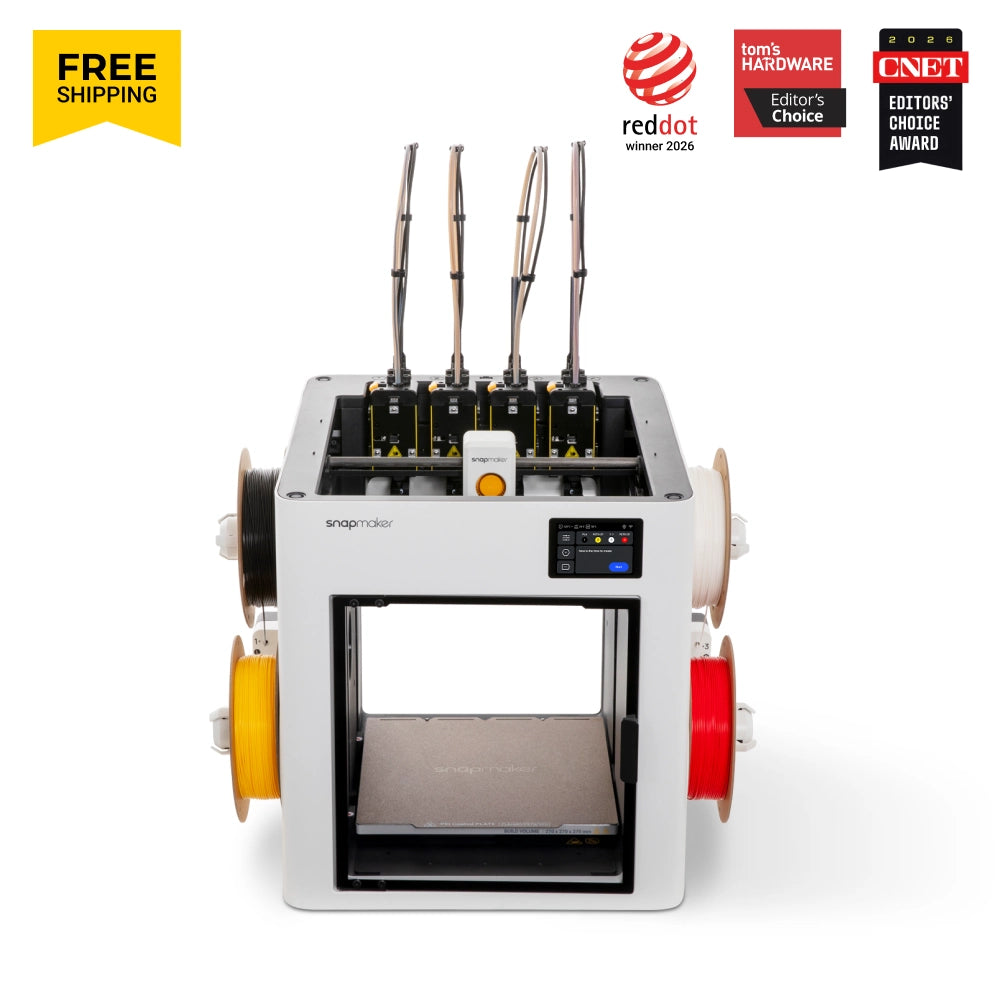 Snapmaker U1 (4-toolhead)
 FlashForge Creator 5 (4-toolhead)
 FlashForge Creator 5 Pro (4-toolhead)
Tap a product to jump to its breakdown — specs and honest pros/cons. Verify current price and retailer rating at the retailer.
Buying guides for this category
Frequently asked questions
What's the actual benefit of multiple toolheads over a single-nozzle printer with a filament changer?
A true multi-toolhead machine has physically separate nozzles, each pre-loaded with its own filament, so switching colors or materials is a mechanical tool swap taking seconds. A single-nozzle system with a filament-changing unit has to purge the old filament out of one shared hotend every time, which wastes more material and takes longer per swap on complex multi-color prints.
Do multi-toolhead 3D printers waste a lot of filament during tool changes?
Less than single-nozzle multi-material systems, since each toolhead keeps its own filament loaded rather than purging and reloading a shared nozzle. There's still some waste from priming each nozzle before it resumes printing, and how much varies by machine and print complexity.
Do you need an enclosure for multi-material printing, or only for certain filaments?
It depends on the filament, not the number of toolheads. Consumer-friendly materials like PLA, PETG and TPU print fine in an open frame; warp-prone engineering filaments such as ABS, ASA, and carbon-fiber-reinforced composites need a heated, enclosed chamber to hold a stable temperature and prevent warping or cracking, regardless of how many toolheads the printer has.
How loud are multi-toolhead 3D printers during a long print?
Comparable to a standard desktop 3D printer -- cooling fans and stepper motors are the main noise sources, typically in the 50-60 dB range, noticeable in a quiet room but not disruptive from another room with a door closed. Enclosed models can run slightly quieter since the housing dampens some fan and motor noise.
Can beginners realistically use a tool-changing 3D printer, or is it strictly for experienced users?
Closed, consumer-oriented tool-changers with slicer software and pre-tuned profiles are approachable for a first printer, similar to any single-nozzle consumer machine. Open-source or kit-based tool-changers with more manual calibration and community-maintained firmware have a steeper learning curve and reward prior 3D-printing experience.