Comparison · 2026
Best Wi-Fi Routers 2026: BE550 vs eero Pro 7
Researched by Dmitrii Pakhomov and Daria Govorina · SavingsHook editorial · Published November 9, 2026
The short answer
Verdict based on specifications, manufacturer documentation and owner reviews. We did not lab-test these products.
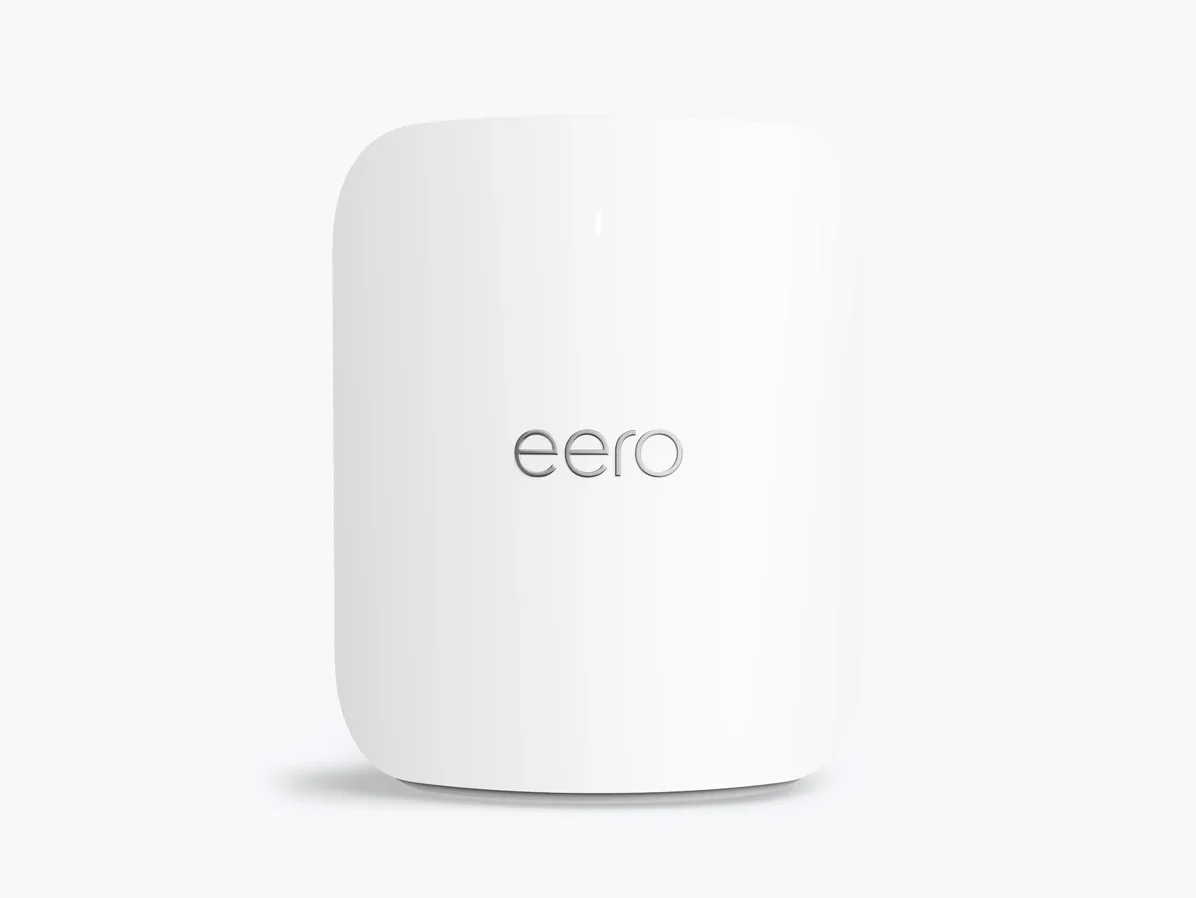
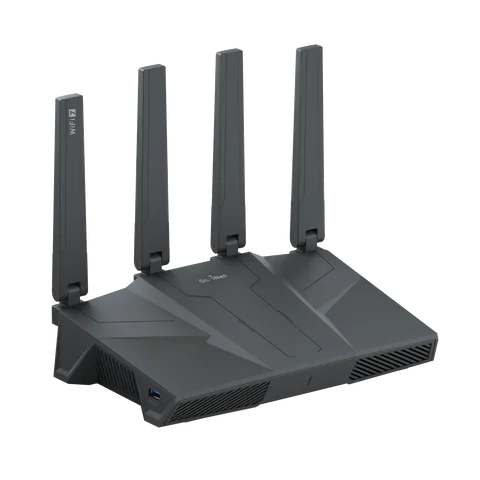
| Product | Key specs | Main drawback | Not for |
|---|---|---|---|
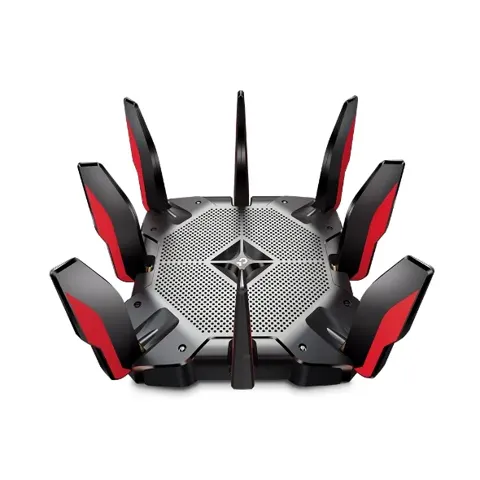
| TP-Link Archer BE550 BE9300 Tri-Band Wi-Fi 7 Router | 6 optimally positioned internal antennas with beamforming and high-power FEM EasyMesh-compatible for whole-home mesh expansion TP-Link HomeShield parental controls and network protection | V1 and V2 hardware revisions share the same name, and some owners report intermittent disconnects. | People who want mesh with Deco |
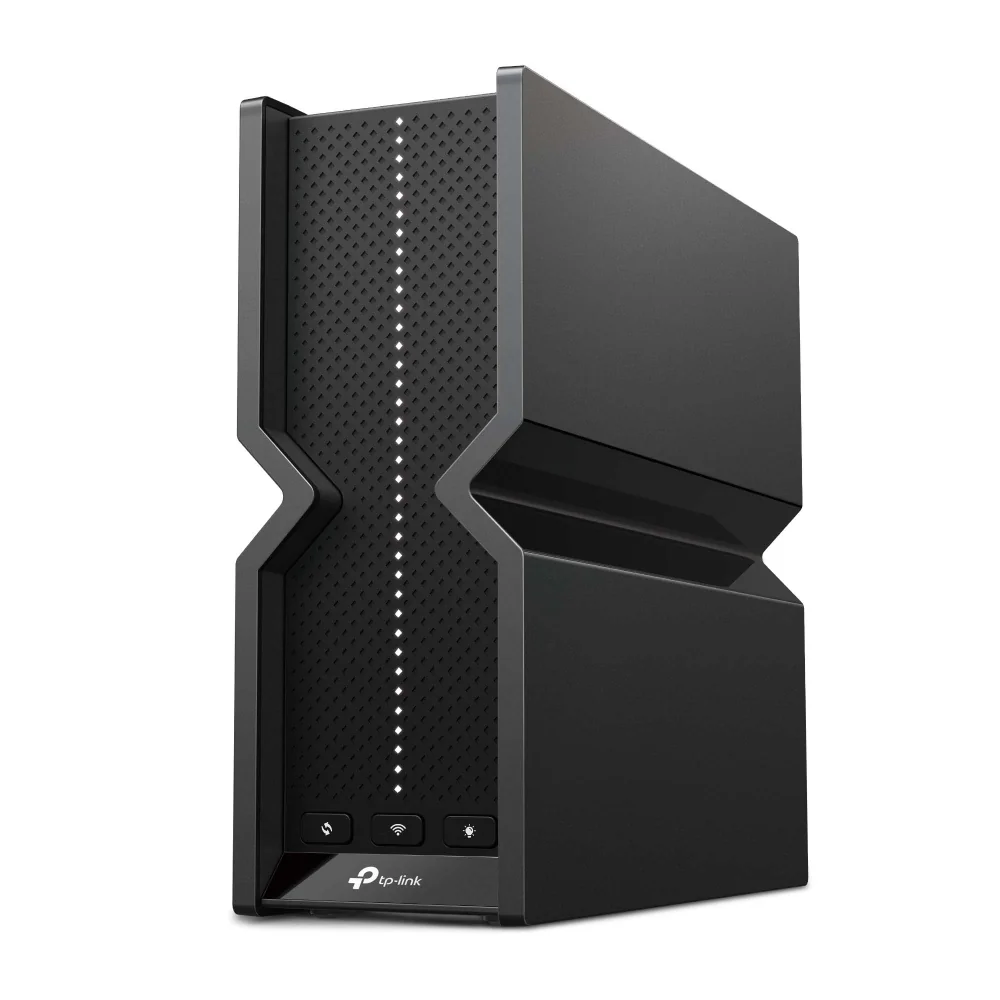
| eero Pro 7 BE3900 Tri-Band Wi-Fi 7 Mesh Router | Wireless speeds up to 3.9 Gbps and wired speeds up to 4.7 Gbps Two auto-sensing 5 GbE Ethernet ports per node 2,000 sq | Advanced controls and security features require a paid eero Plus subscription. | Users who want a web interface |
| GL.iNet Flint 3 (GL-BE9300) Tri-Band Wi-Fi 7 Router | BE9300 tri-band Wi-Fi 7 (688 Mbps @ 2.4 GHz + 2882 Mbps @ 5 GHz + 5765 Mbps @ 6 GHz) 5 x 2.5 Gbps Ethernet ports Wi-Fi coverage up to 2000 sq ft | Its 6 GHz range drops quickly through walls and it has no native mesh. | Large multi-floor homes |
How we picked these products
We compare product identity, specifications, pros/cons and retailer links. Until approved retailer API access is available, current Amazon price, star-rating and review-count data are not republished here.
Prices at a glance
| Product | Price | Stores |
|---|---|---|
| TP-Link Archer BE550 BE9300 Tri-Band Wi-Fi 7 Router | Price not listed | 8 stores |
| eero Pro 7 BE3900 Tri-Band Wi-Fi 7 Mesh Router | from $224.99 · eero | 4 stores |
| GL.iNet Flint 3 (GL-BE9300) Tri-Band Wi-Fi 7 Router | from $209.99 · GL.iNet | 7 stores |
| ASUS RT-BE96U Tri-Band Wi-Fi 7 Router | from $629.99 · ASUS | 8 stores |
| Ubiquiti UniFi Dream Machine Pro Gateway Router (no built-in Wi-Fi) | Price not listed | 8 stores |
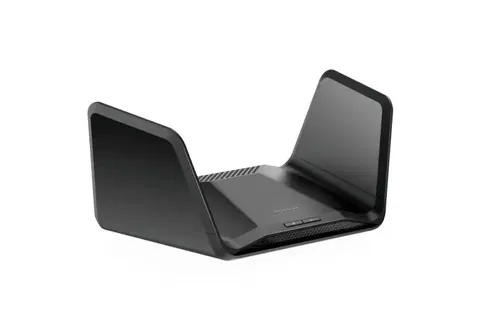
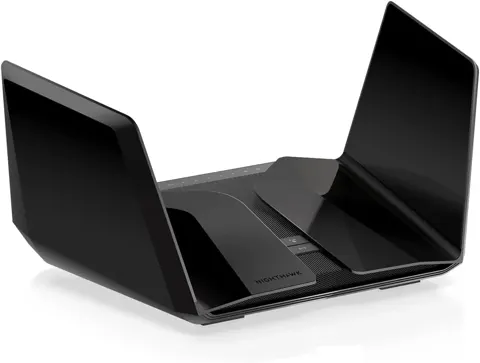
| NETGEAR Nighthawk 8-Stream AX8 WiFi 6 Router (RAX80) | Price not listed | 7 stores |
Prices are snapshots. Check the current price with the store.
One of these six routers has no Wi-Fi radios at all, while another measured 2,451 Mbps on 6 GHz at close range. The Ubiquiti UniFi Dream Machine Pro is a rackmount gateway and controller that needs separate access points, and the ASUS RT-BE96U is a large standalone Wi-Fi 7 box built for multi-gig wired links. Between them sit a value Wi-Fi 7 router, a simple mesh node, a VPN-focused OpenWrt model, and an older Wi-Fi 6 option for gigabit plans.
Quick picks
- best for most homes: TP-Link Archer BE550, because it pairs five 2.5 Gbps ports and tri-band Wi-Fi 7 with easy app setup
- best for hands-off mesh: eero Pro 7, because setup is app-driven and each node includes a Thread, Zigbee and Matter controller
- best for VPN and control: GL.iNet Flint 3, because it runs OpenWrt-based firmware with AdGuard Home and hardware-accelerated VPN
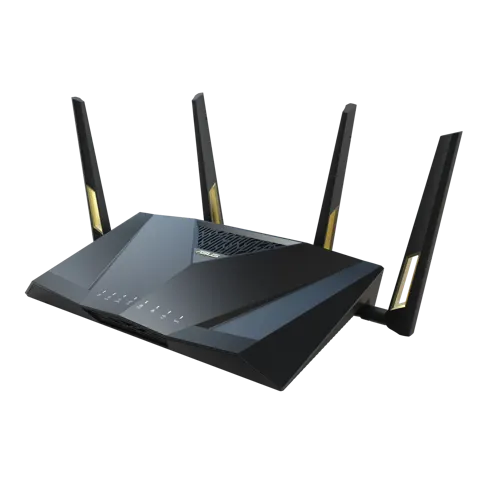
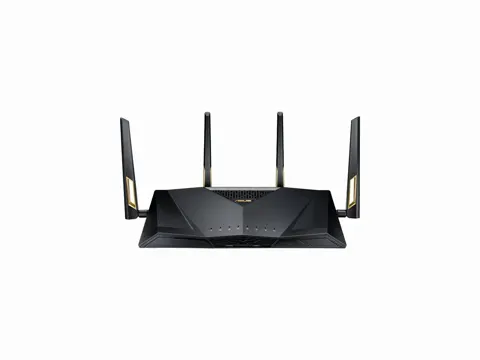
- best for multi-gig power users: ASUS RT-BE96U, because it has dual 10 Gbps ports and very fast close-range 6 GHz performance
- best for UniFi racks and NVR use: Ubiquiti UniFi Dream Machine Pro, because it combines a gateway, controller and optional NVR in one 1U box
- best for a gigabit plan on a budget: NETGEAR Nighthawk RAX80, because it delivered strong short-range speeds and six Gigabit ports without needing Wi-Fi 7
TP-Link Archer BE550
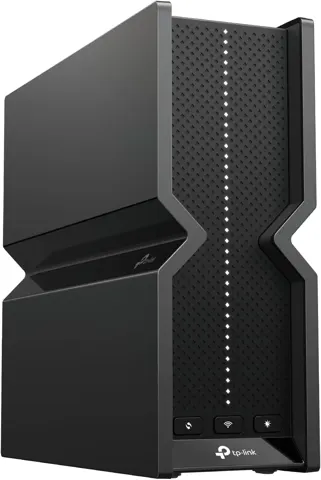
The TP-Link Archer BE550 is a tri-band Wi-Fi 7 router rated BE9300, with one 2.5 Gbps WAN port, four 2.5 Gbps LAN ports, and a USB 3.0 port. Independent testing found strong throughput even in a far bedroom under load, and setup runs through the Tether app. It is a fit for gigabit-class homes that want multi-gig wired ports without flagship money.
The tradeoff is consistency and hardware revisions. V1 and V2 ship under the same name and UPC with different processors and separate firmware tracks, so the label matters. Community reports mention intermittent disconnects and DHCP failures, often tied to older firmware, and advanced HomeShield features sit behind a paid subscription.
eero Pro 7
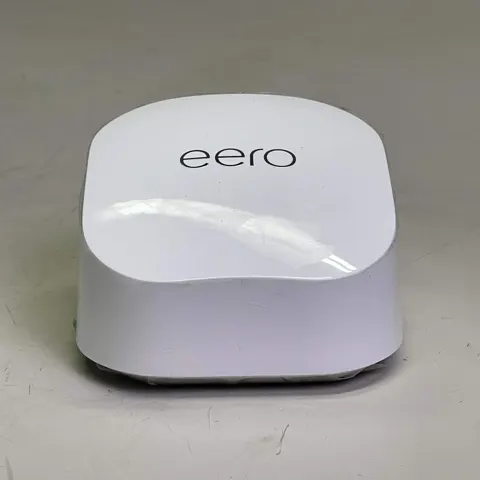
The eero Pro 7 is a tri-band Wi-Fi 7 mesh router with two auto-sensing 5 GbE ports per node and a built-in smart-home hub for Thread, Zigbee and Matter. PCMag measured 2,850 Mbps at close range and 860 Mbps at 30 feet for the router node, and setup runs through the eero app. It suits homes that value simple management and whole-home coverage over deep tuning.
That simplicity comes with limits. Parental controls and network security software require a paid eero Plus subscription, there is no web admin interface, and there are no USB ports. Some owners report intermittent stability and long support calls, though these are individual anecdotes rather than a published failure rate.
GL.iNet Flint 3
The GL.iNet Flint 3 targets people who want control. It is a tri-band Wi-Fi 7 router with five 2.5 GbE ports and OpenWrt-based firmware that ships AdGuard Home, parental controls, Tailscale and ZeroTier. WireGuard and OpenVPN-DCO can reach up to 680 Mbps combined, and close-range 6 GHz testing exceeded 1.8 Gbps.
Range and radio design are the compromises. Every band uses 2x2 MIMO, there is no native mesh support, and 6 GHz range drops quickly through walls and floors. Owners report weaker range than the Flint 2 in the same conditions, and MLO is still maturing with parsing errors and TCP retransmissions reported in testing.
ASUS RT-BE96U
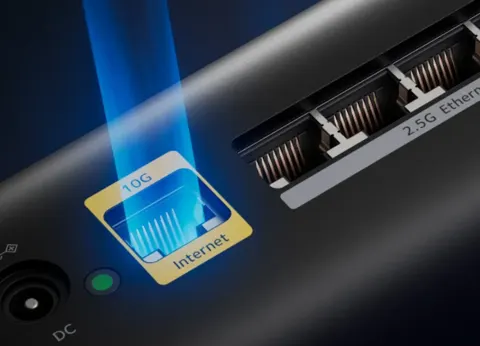
The ASUS RT-BE96U is the high-end standalone pick: tri-band Wi-Fi 7 with one 10GbE WAN/LAN port, one 10GbE LAN port, link aggregation, AiMesh support, and subscription-free AiProtection Pro. PCMag measured 2,451 Mbps on 6 GHz and 1,548 Mbps on 5 GHz at close range. It makes sense if you have multi-gig internet, a fast wired LAN, or other ASUS routers to mesh.
Check the practical downsides. Multi-Link Operation arrived only through a firmware update, 6 GHz reach is weak, and the chassis is large at 8.6 by 13.7 by 13.7 inches.
Ubiquiti UniFi Dream Machine Pro
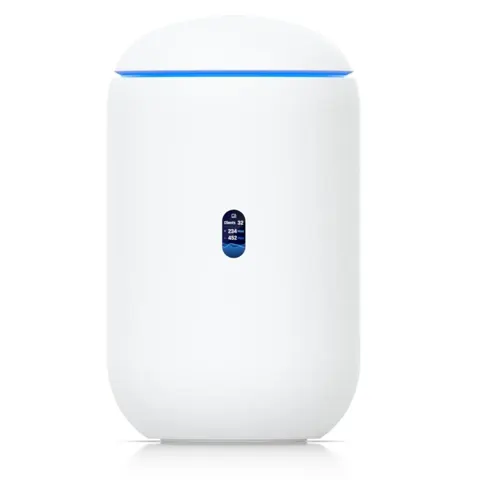
The Ubiquiti UniFi Dream Machine Pro is different from every other router here because it does not provide Wi-Fi. It is a 1U rackmount gateway, controller and optional NVR with 3.5 Gbps IDS/IPS throughput, one 10G SFP+ WAN port, one 10G SFP+ LAN port, and eight 1 GbE LAN ports. It fits buyers already in the UniFi ecosystem who plan to add access points and switches.
It is not a simple home router replacement. There are no PoE ports, no hard drive included, and owners report that custom DNS entries and disabling NAT are not supported. A hard drive adds fan noise, and VPN throughput reports vary. If you need an all-in-one box that also broadcasts Wi-Fi, this is the wrong model.
NETGEAR Nighthawk RAX80
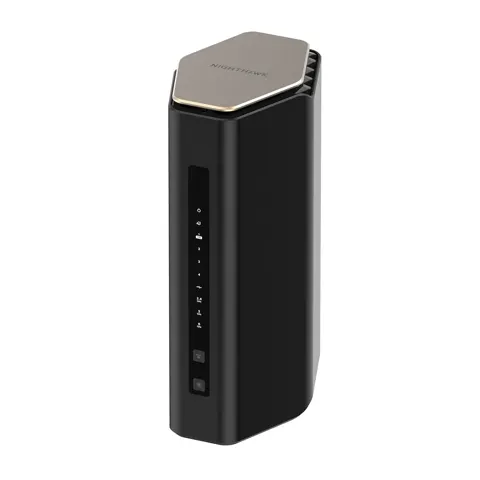
The NETGEAR Nighthawk RAX80 is the only Wi-Fi 6 router in this group. It is a dual-band AX6000 model with six Gigabit Ethernet ports, two USB 3.0 ports, and strong close-range results in independent tests, including 1.389 Gbps measured at 15 feet by Tom’s Guide. It can be a sensible choice for a 1 Gbps line with several wired devices.
Distance and aging features limit it. Tom’s Guide measured 277.1 Mbps at 50 feet and 20.8 Mbps at 90 feet, and it lacks a 2.5 GbE multi-gig port. NETGEAR Armor and advanced parental controls require subscriptions, and owner forum reports mention occasional connection drops and early hardware failures.
Who should buy which
Buy the TP-Link Archer BE550 if you want the most balanced Wi-Fi 7 starting point: fast radios, plenty of 2.5 Gbps ports, and no required subscription. Pick the eero Pro 7 if you want a mesh that stays out of your way and you are comfortable paying for eero Plus for extra controls.
Choose the GL.iNet Flint 3 if VPN features and OpenWrt-based control matter more than range. Choose the ASUS RT-BE96U if you can use its 10 Gbps ports and want top close-range performance. Choose the Ubiquiti UniFi Dream Machine Pro only when you are building a UniFi rack with separate access points.
See also: Wifi Routers under $300 (2026) · Wifi Routers under $1000 (2026)