Comparison · 2026
Best USB Microphones 2026: Shure MV7+ vs HyperX QuadCast 2
Researched by Dmitrii Pakhomov and Daria Govorina · SavingsHook editorial · Published November 9, 2026
The short answer
Verdict based on specifications, manufacturer documentation and owner reviews. We did not lab-test these products.
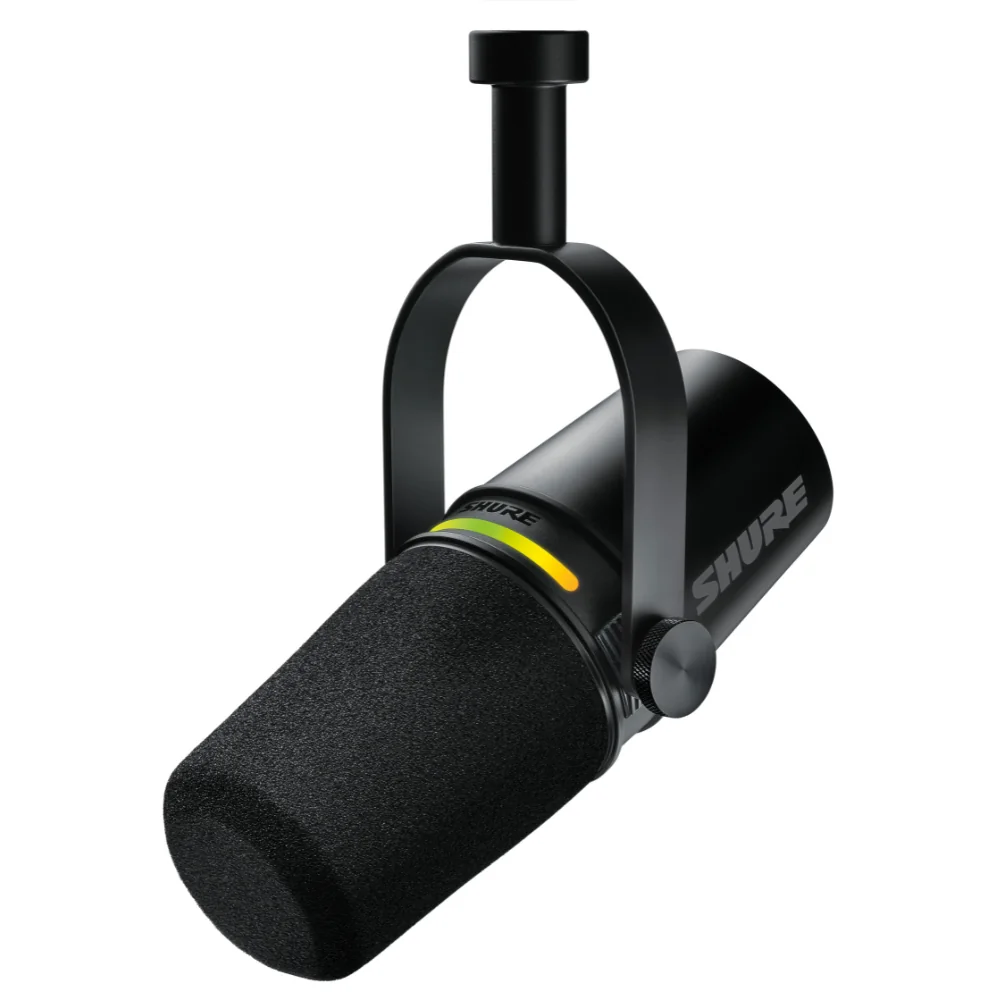
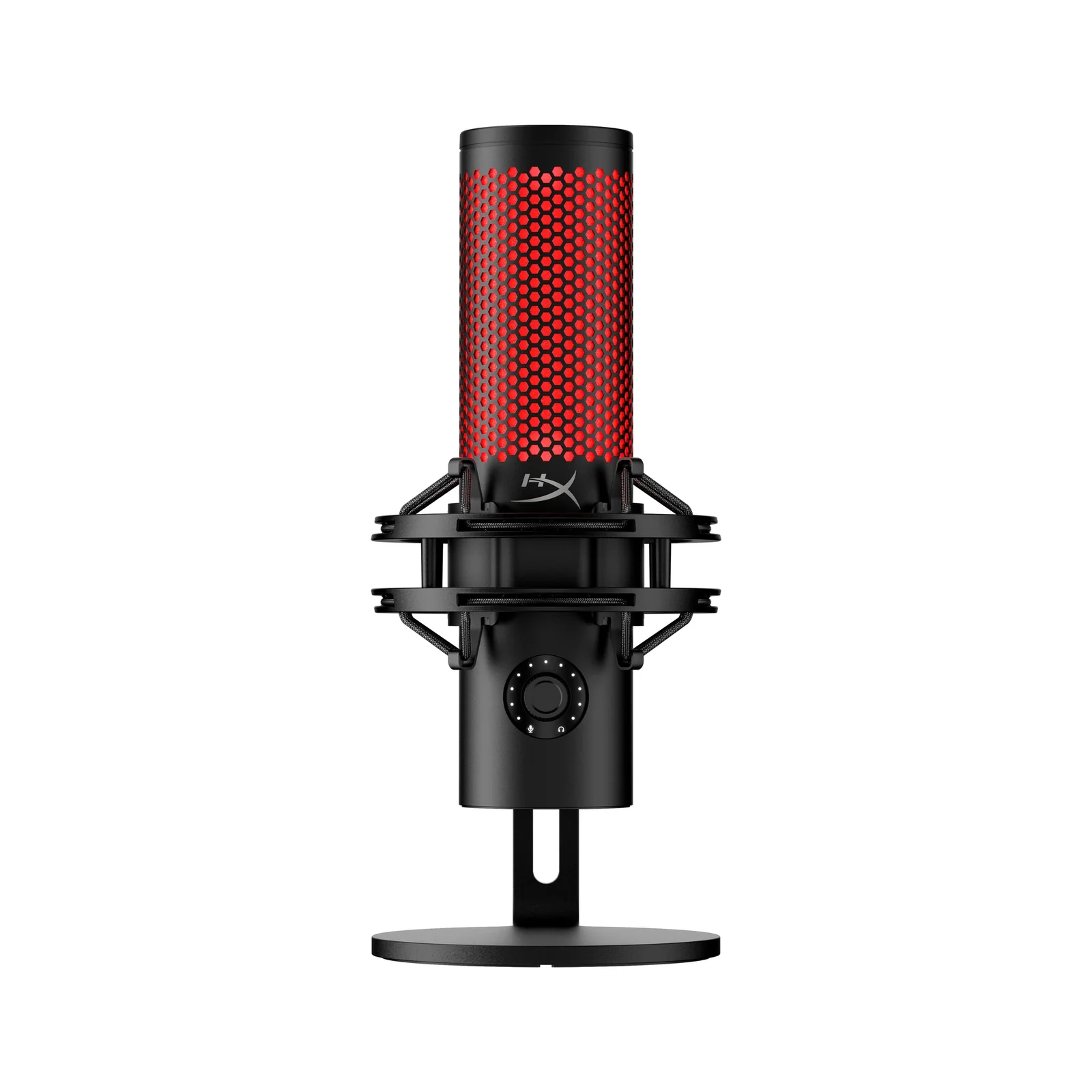
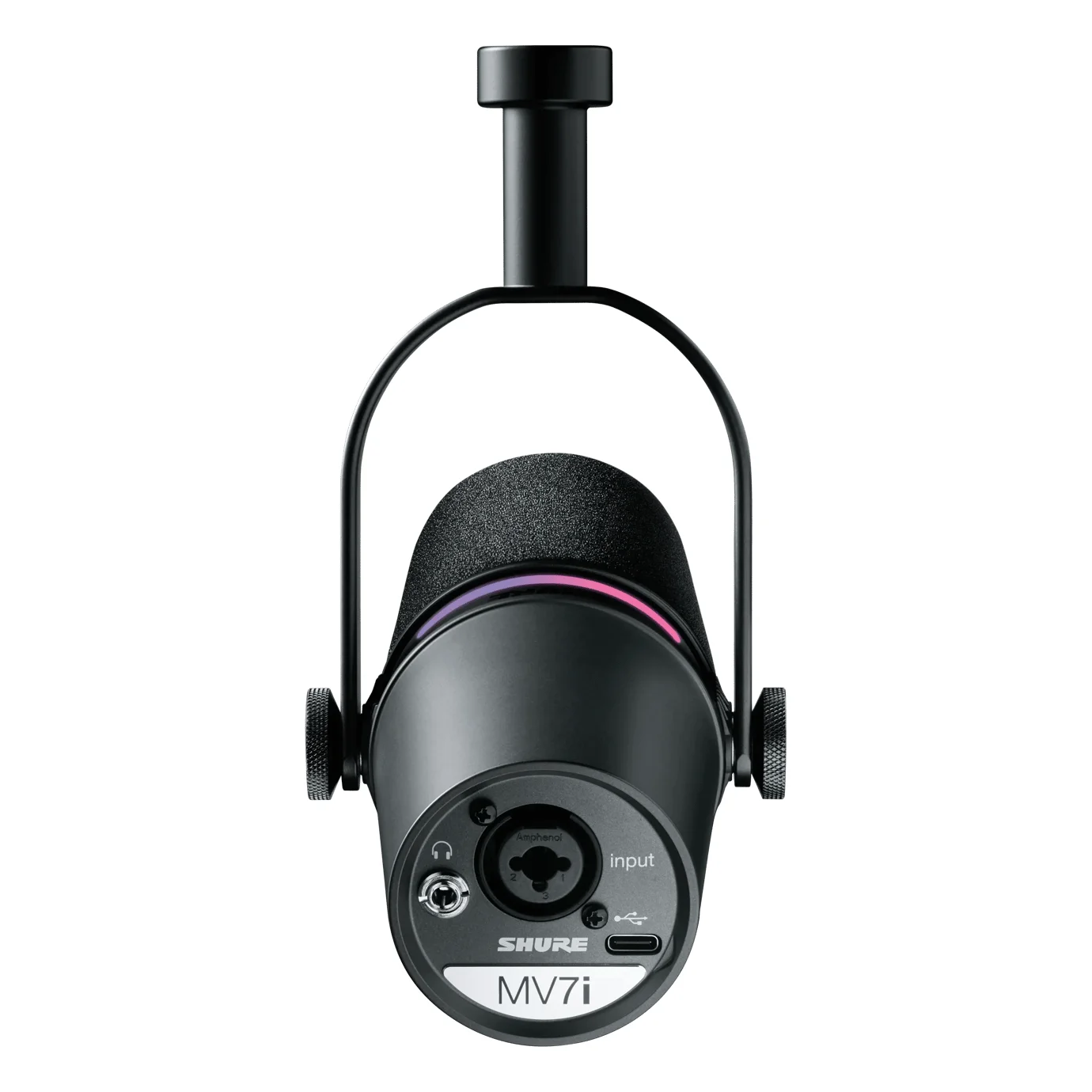
| Product | Key specs | Main drawback | Not for |
|---|---|---|---|
| Shure MV7+ Usb Microphone | Dynamic microphone with USB-C and XLR outputs Customizable LED touch panel Real-time Denoiser and Auto Level Mode | Anyone who wants onboard gain control | |
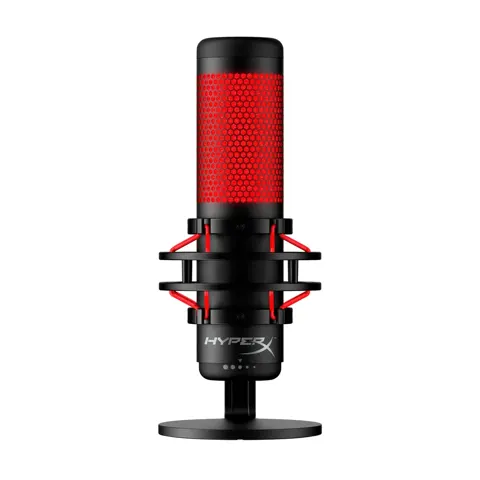
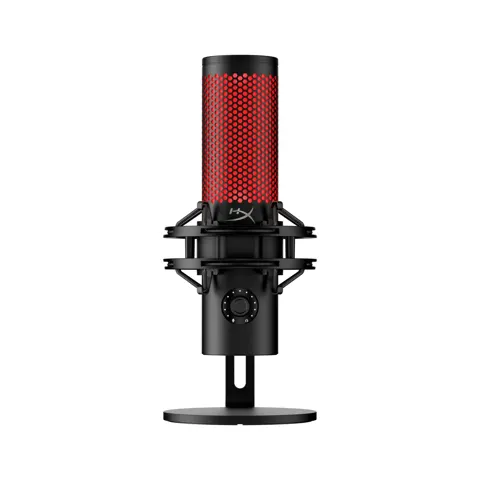
| HyperX QuadCast 2 USB Microphone | USB microphone with 24-bit, 96kHz recording Four selectable polar patterns Multifunction knob for gain, playback and monitoring volume | The grille lights red only, the one knob handles four different settings, and the internal foam is not a pop filter. | People who want RGB lighting or hardware volume control |
| Shure MV7i Usb Microphone | Dynamic USB-C microphone with built-in two-channel interface Combo XLR and 1/4-inch input for a second microphone or instrument Color-customizable LED touch panel for mute control | The second input is an input only, there is no XLR output, and the USB stream is fixed at 48 kHz. | Anyone who wants to feed a mixer or an external interface |
How we picked these products
We compare product identity, specifications, pros/cons and retailer links. Until approved retailer API access is available, current Amazon price, star-rating and review-count data are not republished here.
Prices at a glance
| Product | Price | Stores |
|---|---|---|
| Shure MV7+ Usb Microphone | from $399.00 · Shure | 7 stores |
| Shure MV7i Usb Microphone | from $269.00 · Guitarcenter | 9 stores |
| Razer Seiren V3 Pro USB Microphone | from $249.99 · Razer | 5 stores |
| HyperX QuadCast 2 USB Microphone | from $99.99 · HyperX | 7 stores |
| RØDE NT-USB+ Condenser Microphone | from $179.00 · RØDE | 7 stores |
| Razer Seiren V3 Mini USB Microphone | from $59.99 · Razer | 8 stores |
Prices are snapshots. Check the current price with the store.
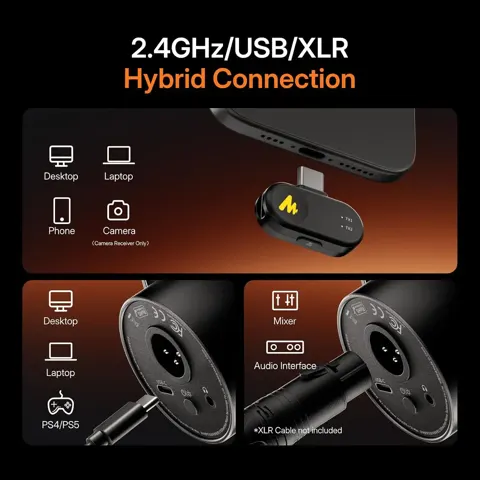
The sharpest difference between these six is not tone, it is what plugs into the back. The Shure MV7+ and the Razer Seiren V3 Pro have XLR outputs, so you can record digitally and keep an analog backup. The Shure MV7i has an XLR input instead, which turns the microphone into a two-channel interface for a second voice or an instrument. The other three stop at USB-C. That one socket swaps the direction of your signal, and it changes who each mic is for.
Shure MV7+
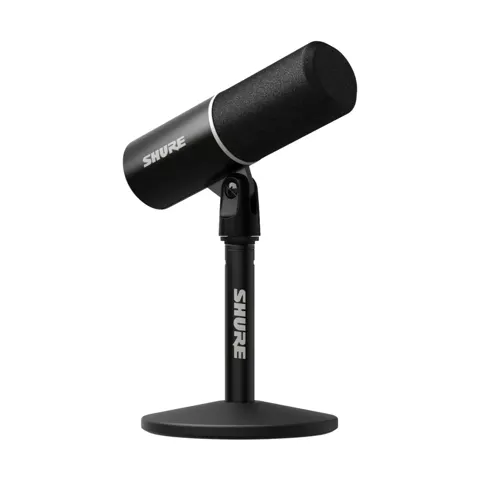
The Shure MV7+ is a dynamic cardioid microphone that records over USB-C and XLR simultaneously, with a 3.5 mm headphone jack for monitoring. It captures 44.1 or 48 kHz at 16- or 24-bit. Reviewers describe a warm, mid-forward broadcast tone, and PCMag called it the cleanest, smoothest vocal it had tested.
The processing is the reason it works in a spare room: a real-time denoiser, digital popper stopper, auto level, voice isolation, a high-pass filter, tone profiles, a compressor and three reverb types. All of it runs in USB mode only, so over XLR the signal is unprocessed. The LED touch panel is a mute button and level meter at once, and the mic is OBS certified.
The catch is the box. There is no physical gain knob, every level lives in software, and the XLR output is gain-hungry enough that reviewers recommend a cloudlifter or a high-gain interface. Plug straight into a USB-C port: a hub or adapter can leave the mic visible with the DSP unreachable.
Shure MV7i
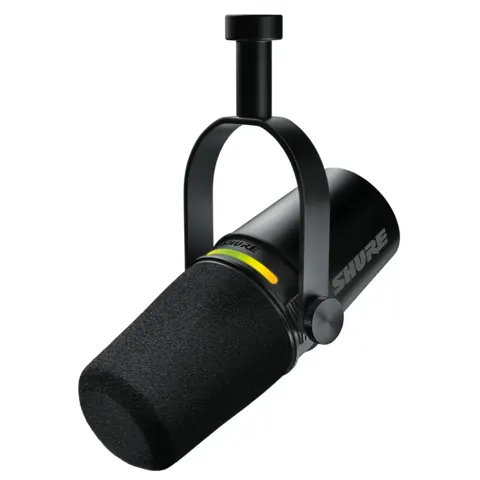
The Shure MV7i is a dynamic USB-C mic with a built-in two-channel interface. A combo XLR / quarter-inch (6.35 mm) input on the rear accepts a second microphone or an instrument with up to +60 dB gain and 48 V phantom power, and MOTIV Mix can record the two sources as separate tracks. Macworld found little bleed between an MV7i and an SM58 placed close by, and a guitar on the second channel stayed out of the vocal.
The limits are precise. The rear jack is an input only, with no XLR output, so the mic cannot feed an external interface or mixer. The USB stream is fixed at 48 kHz, which rules out higher-rate workflows. The moving-coil capsule adds audible hiss on very quiet sources, the denoiser can sound aggressive on music, and the yoke screws can loosen enough to let the mic droop.
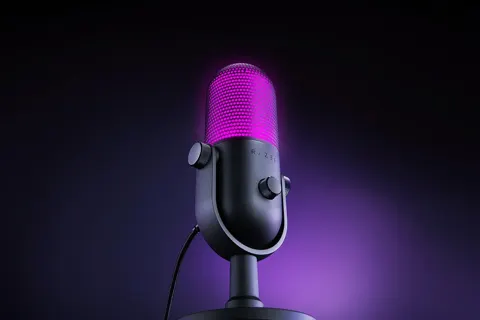
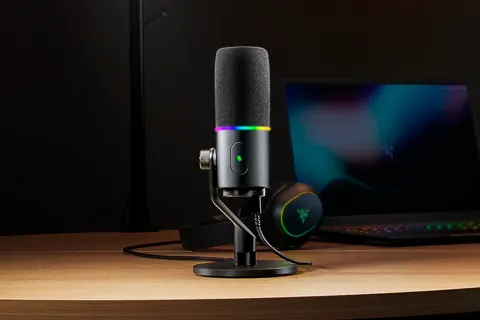
Razer Seiren V3 Pro
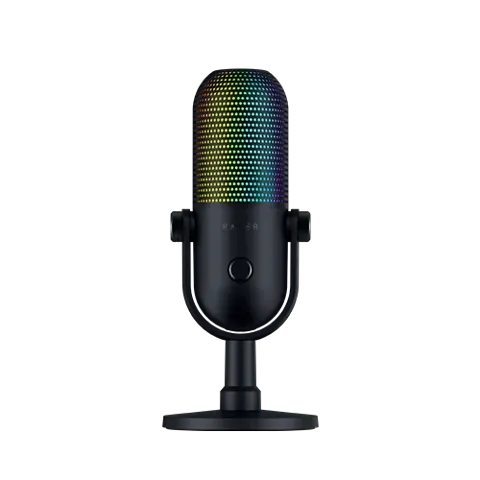
The Razer Seiren V3 Pro is a 30 mm dynamic cardioid mic with USB-C and three-pin XLR outputs, a 50 Hz to 16 kHz range, and 24-bit or 32-bit float recording at 48/96 kHz. The 32-bit float path is USB-only and needs Razer Synapse on Windows, where the AI noise remover, compressor, limiter and expander also run on the microphone itself. Gain sits on a manual dial with a 40 dB range, and the Chroma RGB ring shows gain, mute and peak status.
The bundle is unusually complete: removable pop filter, built-in shock absorber, vibration-dampened arm mount, desktop stand and a 3 m braided cable with a USB-A adapter. Two practical complaints stand out. The USB output is quiet even at maximum gain, which is normal for a dynamic and means you have to sit close. Over XLR the RGB ring is unpowered and the mute button does nothing.
HyperX QuadCast 2
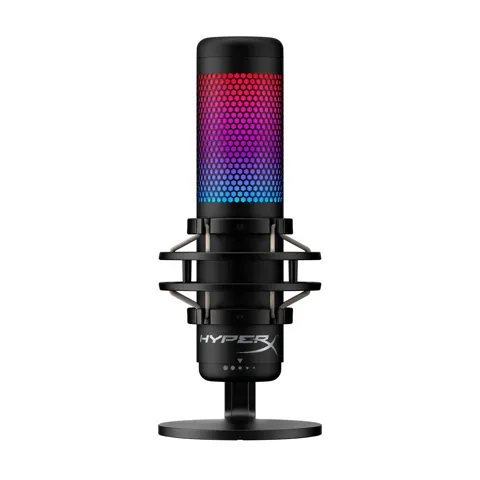
The HyperX QuadCast 2 is a condenser with three 14 mm capsules, four selectable polar patterns (cardioid, omnidirectional, bi-directional, stereo) and 24-bit/96 kHz recording. It works with PC, Mac, PS5, PS4, Nintendo Switch and Steam Deck with no configuration, and the detachable shock mount takes standard 3/8 and 5/8 inch arms. A 2-year warranty sits above the category.
The one knob on top is the trade: it handles microphone gain, playback volume, monitoring volume and pattern switching, and PCWorld’s reviewer, who also tested the original QuadCast, calls it less convenient than the old dedicated dial. Gain steps jump in coarse increments, which owners notice when setting levels. The grille lights red only, since full-color RGB belongs to the QuadCast 2 S. The internal foam does little for plosives, so plan on a pop filter or speak across the top at 30-45 degrees. NGENUITY adds only a high-pass filter and gain, so EQ and noise reduction need other software.
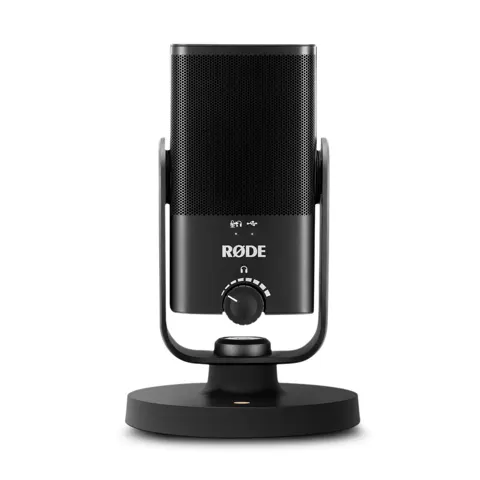
RØDE NT-USB+
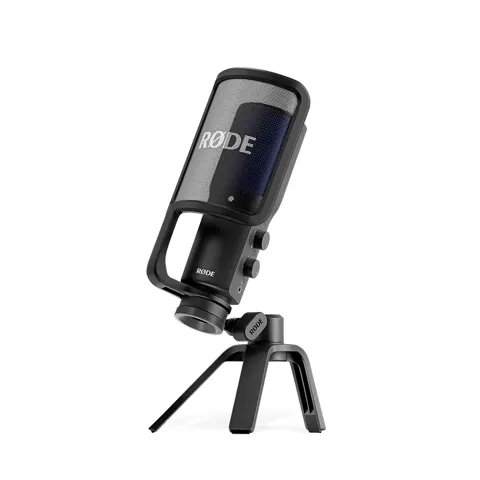
The RØDE NT-USB+ is a side-address cardioid condenser capturing 24-bit/48 kHz over USB-C, with a 3.5 mm jack for zero-latency monitoring and onboard DSP for compressor, noise gate, 75 or 150 Hz high-pass filter, APHEX Aural Exciter and Big Bottom. The DSP saves into the microphone, so the settings follow it into any app. RØDE Connect mixes up to four RØDE USB mics on one computer.
Windows Central heard no audible noise in untreated Audacity recordings next to a running PC, and Home Brew Audio called it as quiet as a much more expensive RØDE NT2-A XLR condenser. The weak points are the stand and the knob: there is no hardware gain dial, and the bundled desk stand is all-plastic, light and tippy with no shock isolation, so three outlets recommend a boom arm. The compressor and gate are fixed with no adjustable threshold.
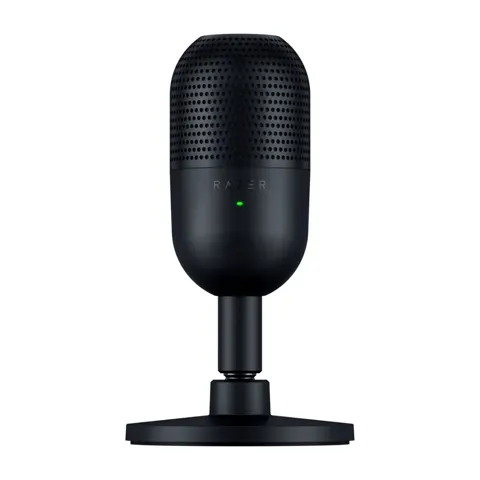
Razer Seiren V3 Mini
The Razer Seiren V3 Mini is the smallest here: a 14 mm condenser with a fixed supercardioid pattern, weighing 236 g with a 51-inch detachable cable. The tap button on top mutes with one tap, raises volume with two and lowers it with three. It works as a plain USB microphone; Razer Synapse on Windows handles sample rate, mic volume and the stream mixer.
What it does not have is the list that matters: no headphone jack, no gain knob, no high-pass filter, no digital limiter, and a matte plastic body. The included desk stand is the most repeated complaint, short on adjustment and hard to aim at your mouth.
Dynamic versus condenser
Three of these six are dynamics (MV7+, MV7i, Seiren V3 Pro) and three are condensers (QuadCast 2, NT-USB+, Seiren V3 Mini). The practical split is room noise. A dynamic rejects background sound, which is why the MV7+’s denoiser left no obvious tone damage with a ceiling fan running. Multi-person podcasting on one QuadCast 2 needs one mic per person.
Monitoring, mounts and what is in the box
Zero-latency headphone monitoring is standard on the MV7+, MV7i, NT-USB+, Seiren V3 Pro and QuadCast 2. The Seiren V3 Mini has no headphone jack, so you monitor through the system mix instead. Stands vary more than anything else: the QuadCast 2 ships with a detachable shock mount, the Seiren V3 Pro with a desktop stand, and the Mini with a barebones one, while the MV7+ and MV7i include no mount at all and need your own 5/8-inch thread. The NT-USB+’s bundled plastic desk stand is the one reviewers tell you to replace.
Who should buy which
Podcasters and streamers who want one mic that grows with them: Shure MV7+, USB and XLR at once, with the denoiser handling an untreated room. Two hosts and no interface budget: Shure MV7i, which accepts a second mic on the rear combo input at up to +60 dB. Console and PC gaming with no software setup: HyperX QuadCast 2, and buy a pop filter because the internal foam will not do it. Streamers who want RGB, a hardware gain dial and a complete bundle in the box: Razer Seiren V3 Pro, ignoring the auto-setup wizard. Anyone who wants a quiet condenser signal with software DSP and four microphones on one computer: RØDE NT-USB+, with a boom arm to replace the plastic stand. Tight desk spaces and calls that need no monitoring jack: Razer Seiren V3 Mini.
Bottom line
The Shure MV7i is the one to buy when the second input matters more than the analog output. The HyperX QuadCast 2 is the gaming pick, and the Razer Seiren V3 Pro is the streaming pick for buyers who want 32-bit float and a bundle.
Prices and specs collected from manufacturer/retailer listings and public reviews; always confirm current price and stock on the linked page before buying.
See also: USB Microphones under $100 (2026) · USB Microphones under $200 (2026)