Comparison · 2026
Apple Watch SE 3 vs Samsung, Google, Garmin, Amazfit and TicWatch: Smartwatches Compared
Researched by Dmitrii Pakhomov and Daria Govorina · SavingsHook editorial · Published October 16, 2026
The short answer
Verdict based on specifications, manufacturer documentation and owner reviews. We did not lab-test these products.
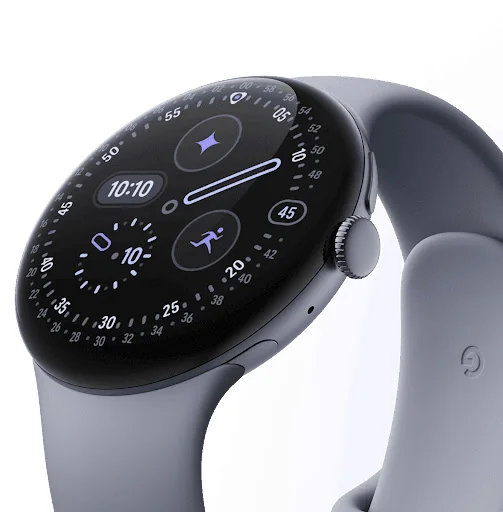
| Product | Key specs | Main drawback |
|---|---|---|
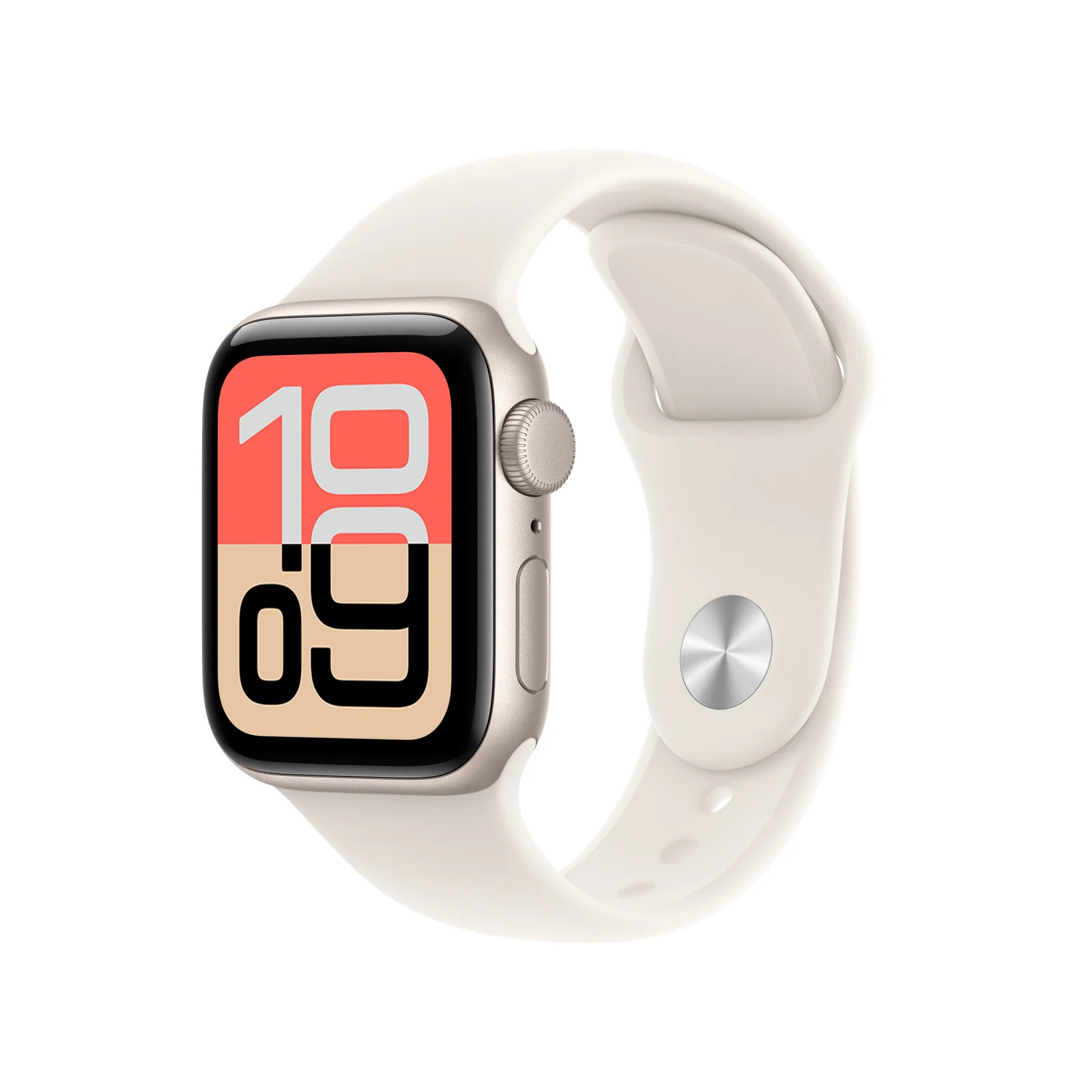
| Apple Watch SE 3 40mm (GPS, Starlight Aluminum Case, Sand Sport Band S/M) | 40mm aluminum case Always-On LTPO OLED display, 1000 nits Apple S10 chip | No ECG, blood oxygen or hypertension notifications — the Series 11's health sensors are missing. |
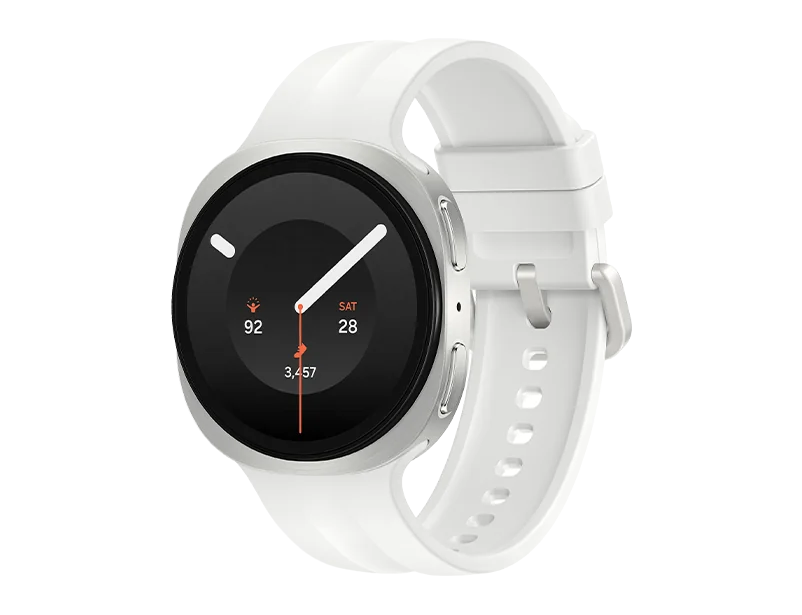
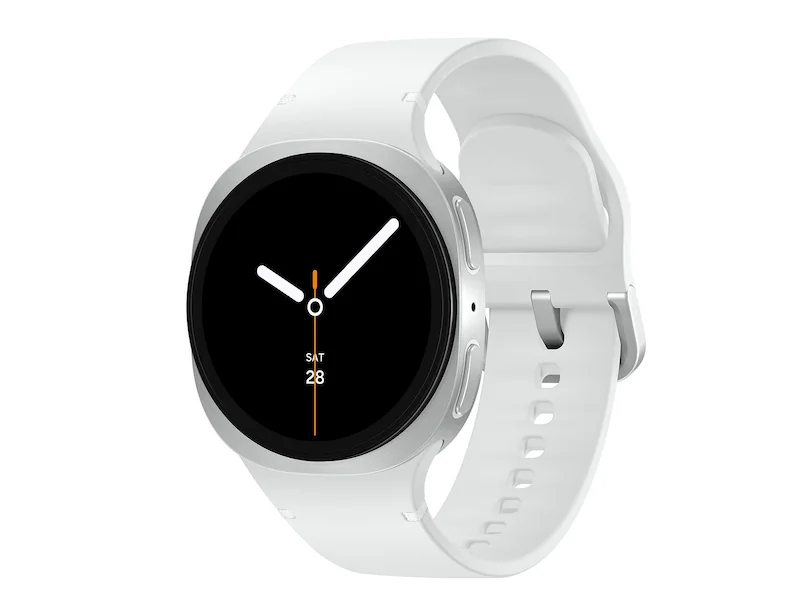
| Samsung Galaxy Watch 8 40mm (Bluetooth, Silver) | 40mm case 1.34-inch Super AMOLED display, 438x438 pixels Exynos W1000 (3nm, penta-core) | Samsung rates the 325 mAh battery at up to 30 hours with always-on display, but testing measured 26 hours. |
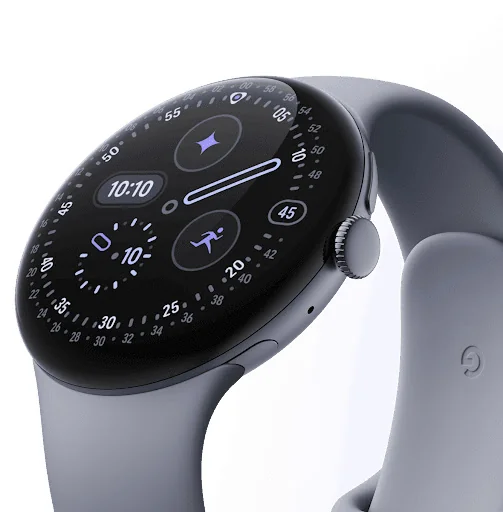
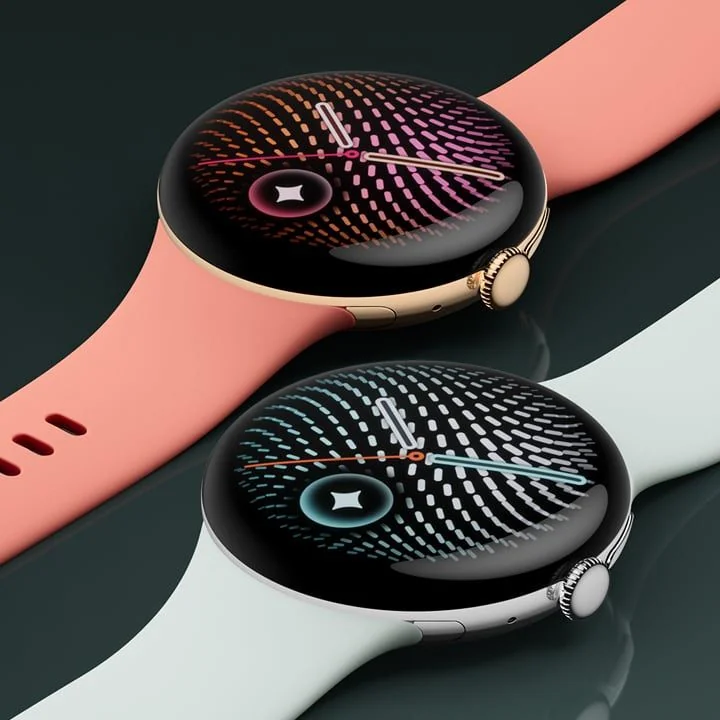
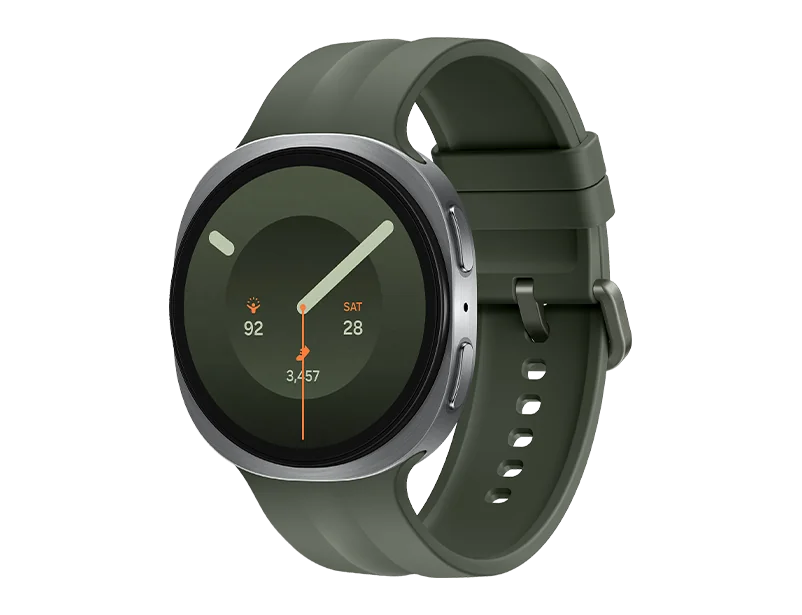
| Google Pixel Watch 4 45mm (Wi-Fi, Moonstone Active Band) | 1.46-inch AMOLED domed display 3000 nits Up to 40 hours battery life (45mm) 5 ATM + IP68 water resistance | Daily run recommendations and AI health coach require a Fitbit Premium subscription at $9.99 a month. |
How we picked these products
We compare product identity, specifications, pros/cons and retailer links. Until approved retailer API access is available, current Amazon price, star-rating and review-count data are not republished here.
Prices at a glance
| Product | Price | Stores |
|---|---|---|
| Apple Watch SE 3 40mm (GPS, Starlight Aluminum Case, Sand Sport Band S/M) | Price not listed | 4 stores |
| Samsung Galaxy Watch 8 40mm (Bluetooth, Silver) | from $229.00 · eBay | 8 stores |
| Google Pixel Watch 4 45mm (Wi-Fi, Moonstone Active Band) | from $279.99 · paymore | 8 stores |
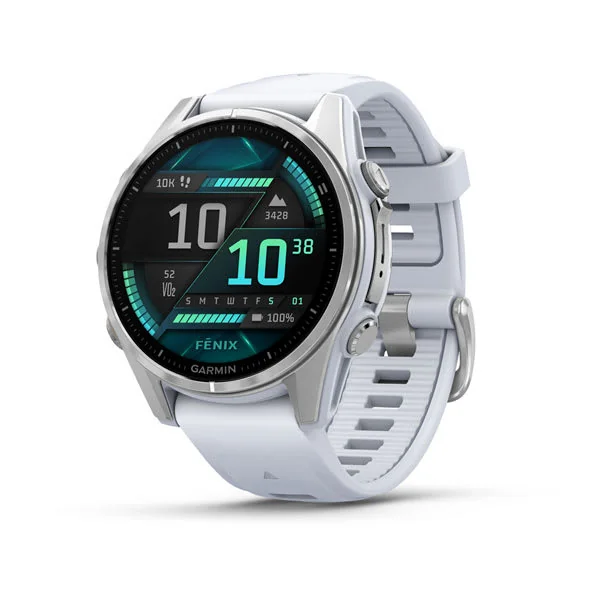
| Garmin Fenix 8 47mm Sapphire (DLC Titanium, Black/Pebble Gray Band, AMOLED) | from $749.99 · Scheels | 13 stores |
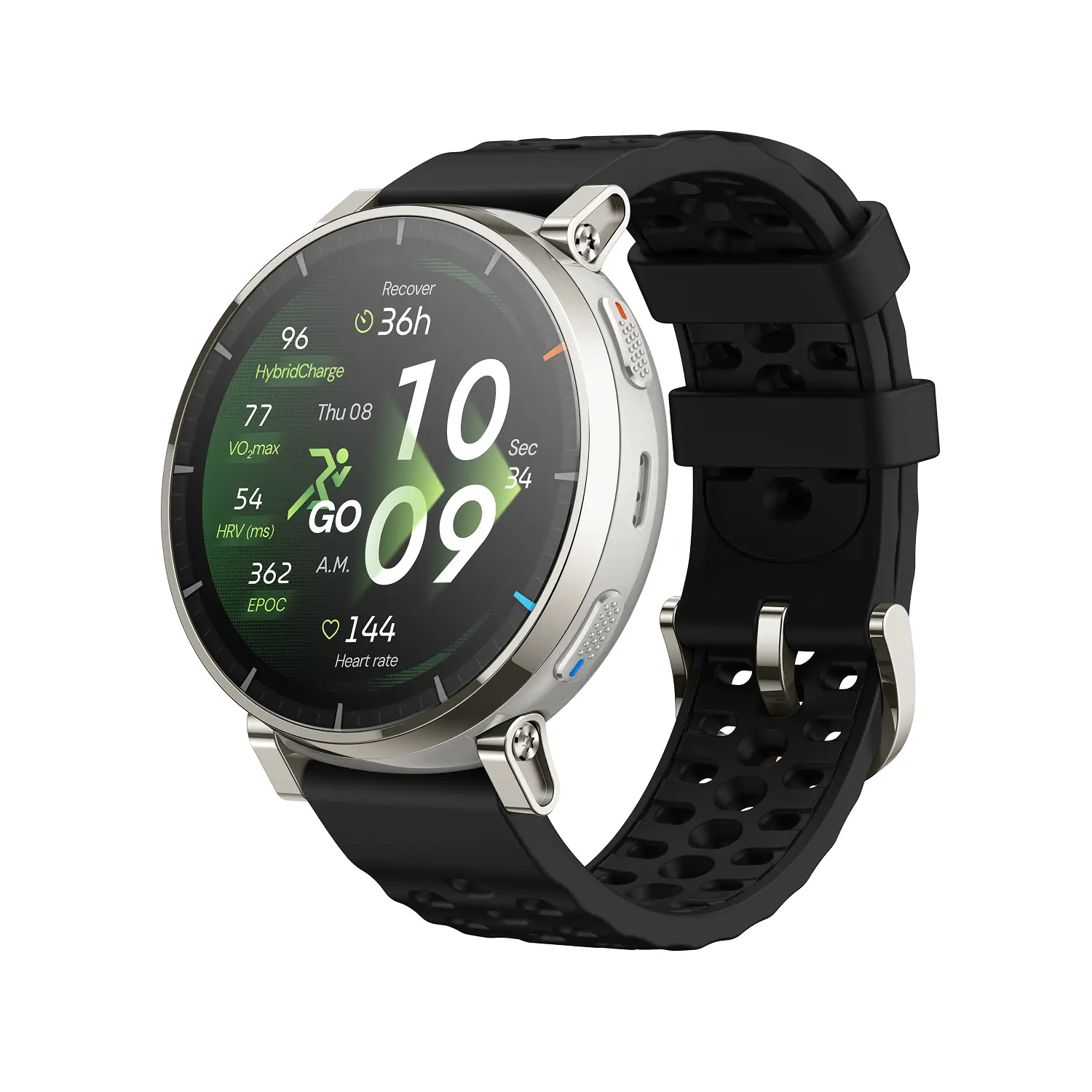
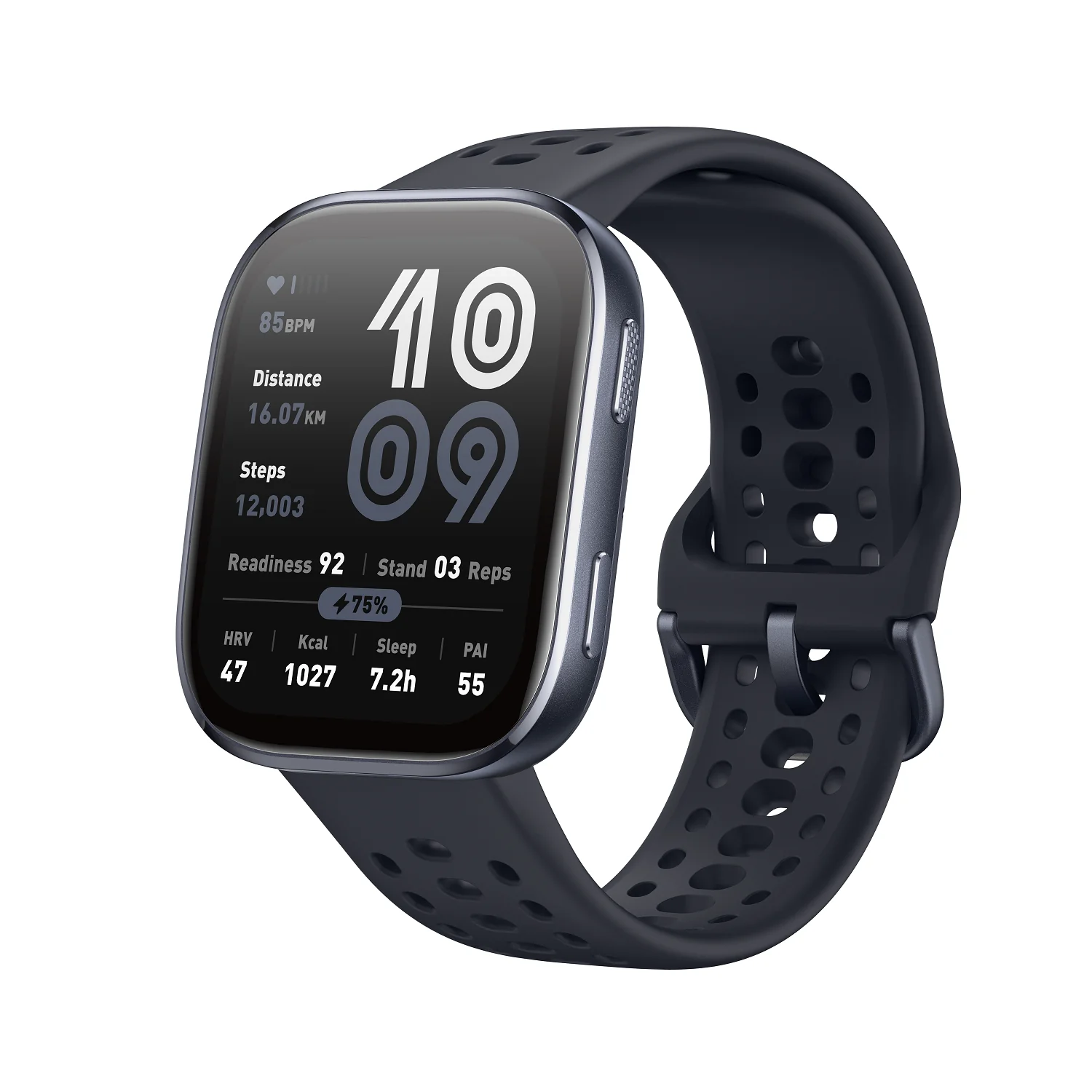
| Amazfit Bip 6 46mm | Price not listed | 5 stores |
| TicWatch Pro 5 | Price not listed | 4 stores |
Prices are snapshots. Check the current price with the store.
Battery life is the real split: the Amazfit Bip 6 lasts about 10 days, the TicWatch Pro 5 about 3 days, the Pixel Watch 4 36 to 56 hours, the Apple Watch SE 3 46 hours in testing, the Galaxy Watch 8 about 26 hours always-on, and the Fenix 8 from 7 to 16 days.
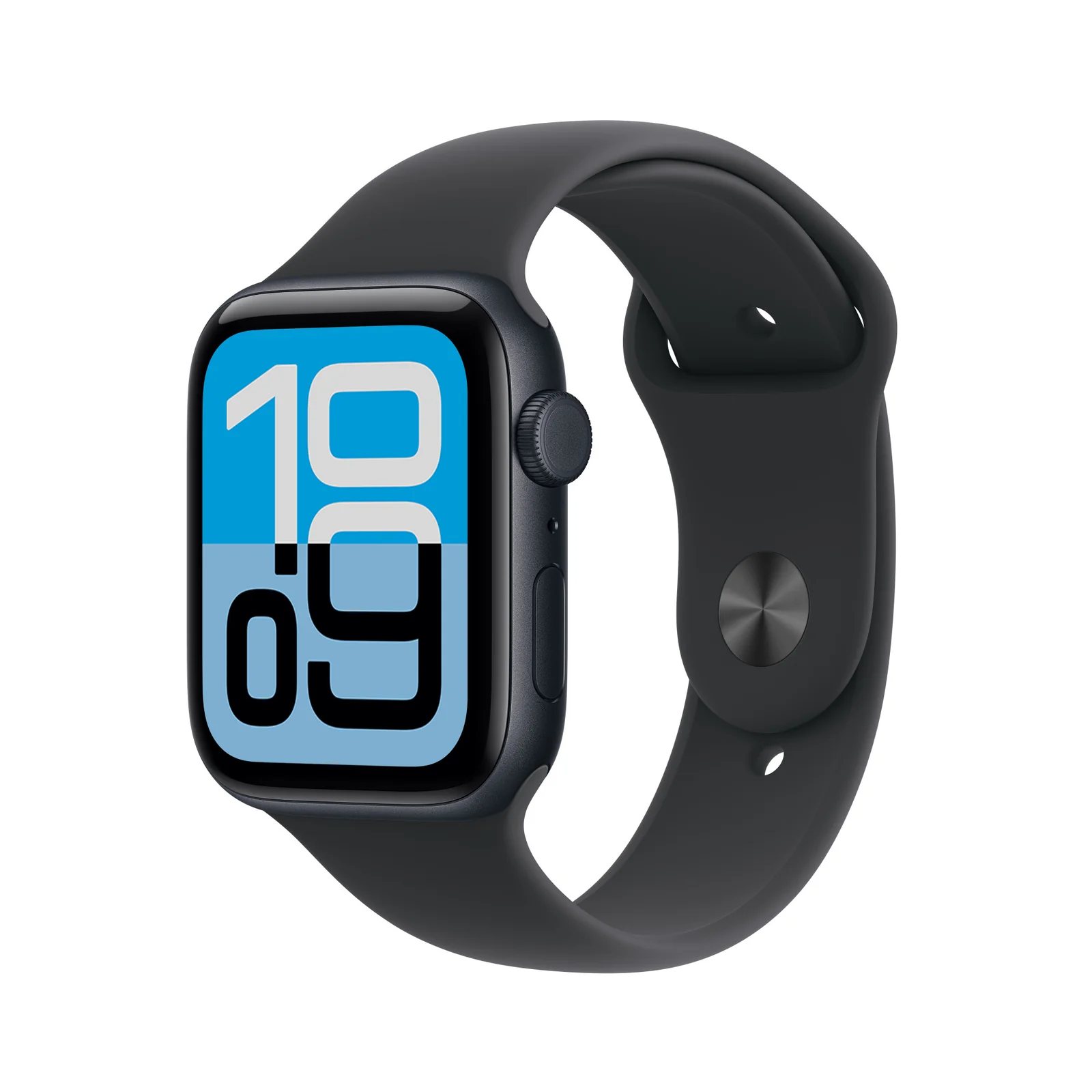
Apple Watch SE 3 (40mm GPS)
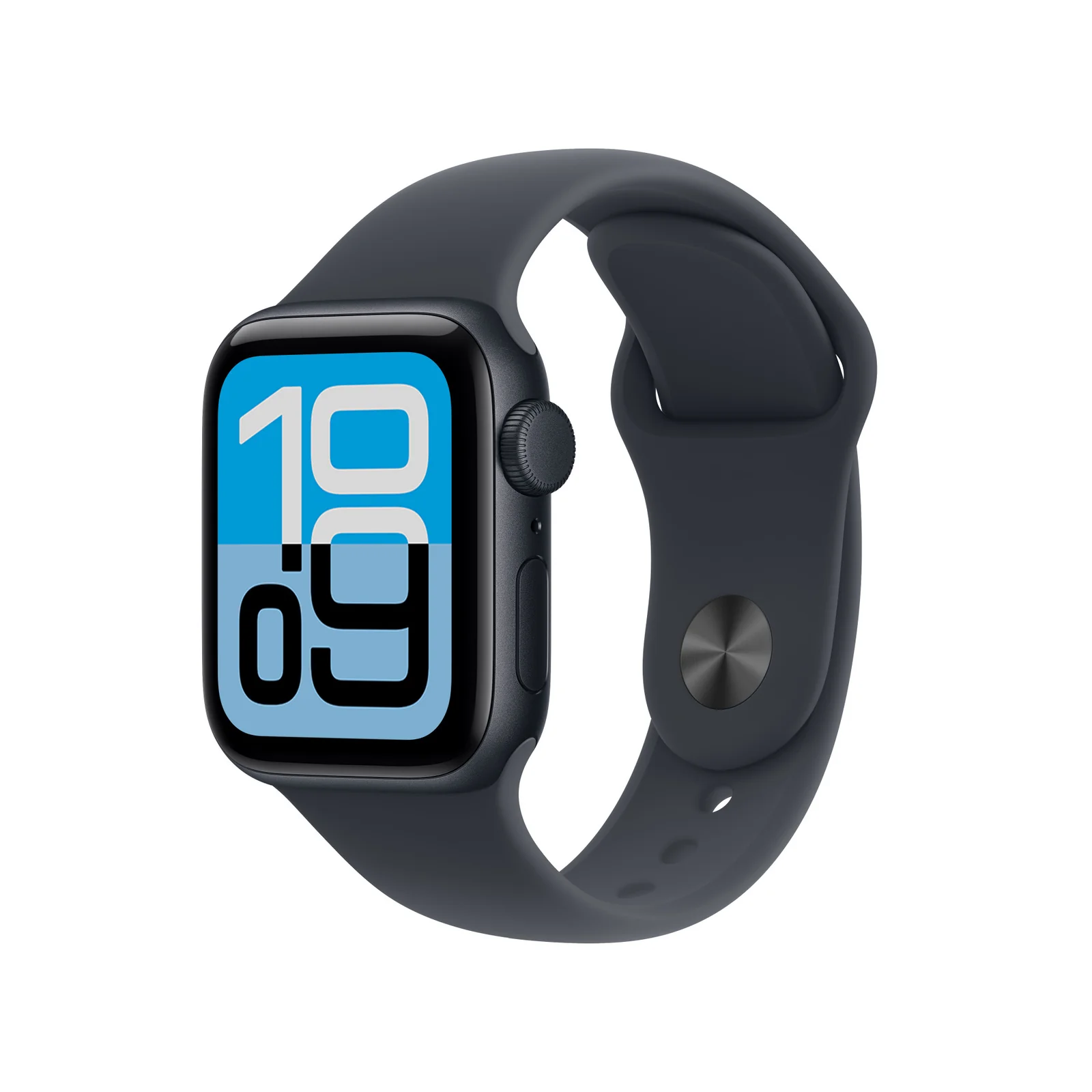
Apple Watch SE 3 is Apple’s entry model with the S10 chip, 64GB and the SE line’s first always-on display, plus 46 hours in PCMag’s test. Apple lists the 40mm GPS at $249. It has heart-rate and sleep-apnea notifications, cycle tracking, fall and crash detection and 50m water resistance, but no ECG, blood oxygen or hypertension readings, and the 1000-nit screen is hard to read in sun. It requires an iPhone 11 or later on iOS 27. Apple Fitness+ is $9.99 a month.
Samsung Galaxy Watch 8 (40mm)
Samsung Galaxy Watch 8 is a 30g, 8.6mm Wear OS watch with a 1.34-inch 3000-nit Super AMOLED, ECG, body composition, skin temperature and sleep-apnea detection. Samsung’s US store listed it at $299.99 in October 2026, down from $349.99. Battery is the catch: rated 30 hours always-on, tested 26, many owners under 24. Full health and AI need a Galaxy phone, and the Dynamic Lug System limits straps. Dual-band GPS is accurate; 5% to full took about 64 minutes.
Google Pixel Watch 4 (45mm)
Google Pixel Watch 4 has a 1.46-inch 3000-nit domed AMOLED, dual-frequency GPS, ECG, SpO2, skin temperature, plus a user-replaceable battery and display (iFixit 9/10). Google Store lists the 45mm Wi-Fi at $399.99. Battery reached 36 to 56 hours. Fitbit Premium is $9.99 a month for run recommendations and the AI coach; camera controls need a Pixel. The domed Gorilla Glass 5 scratched within a month; support is 3 years.
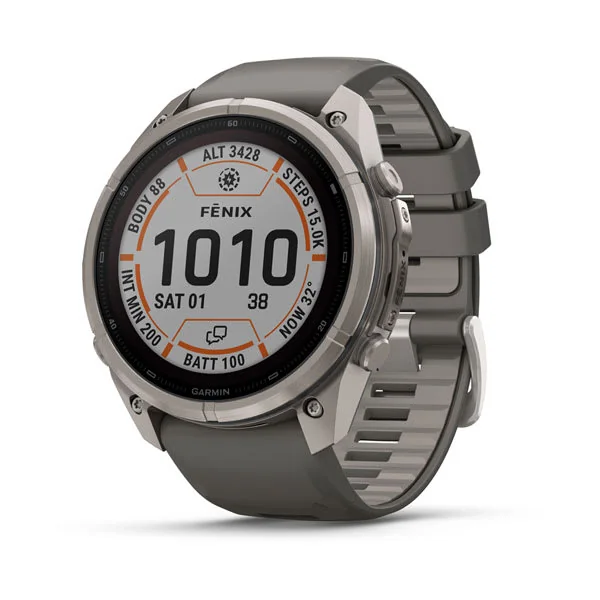
Garmin Fenix 8 (47mm Sapphire)
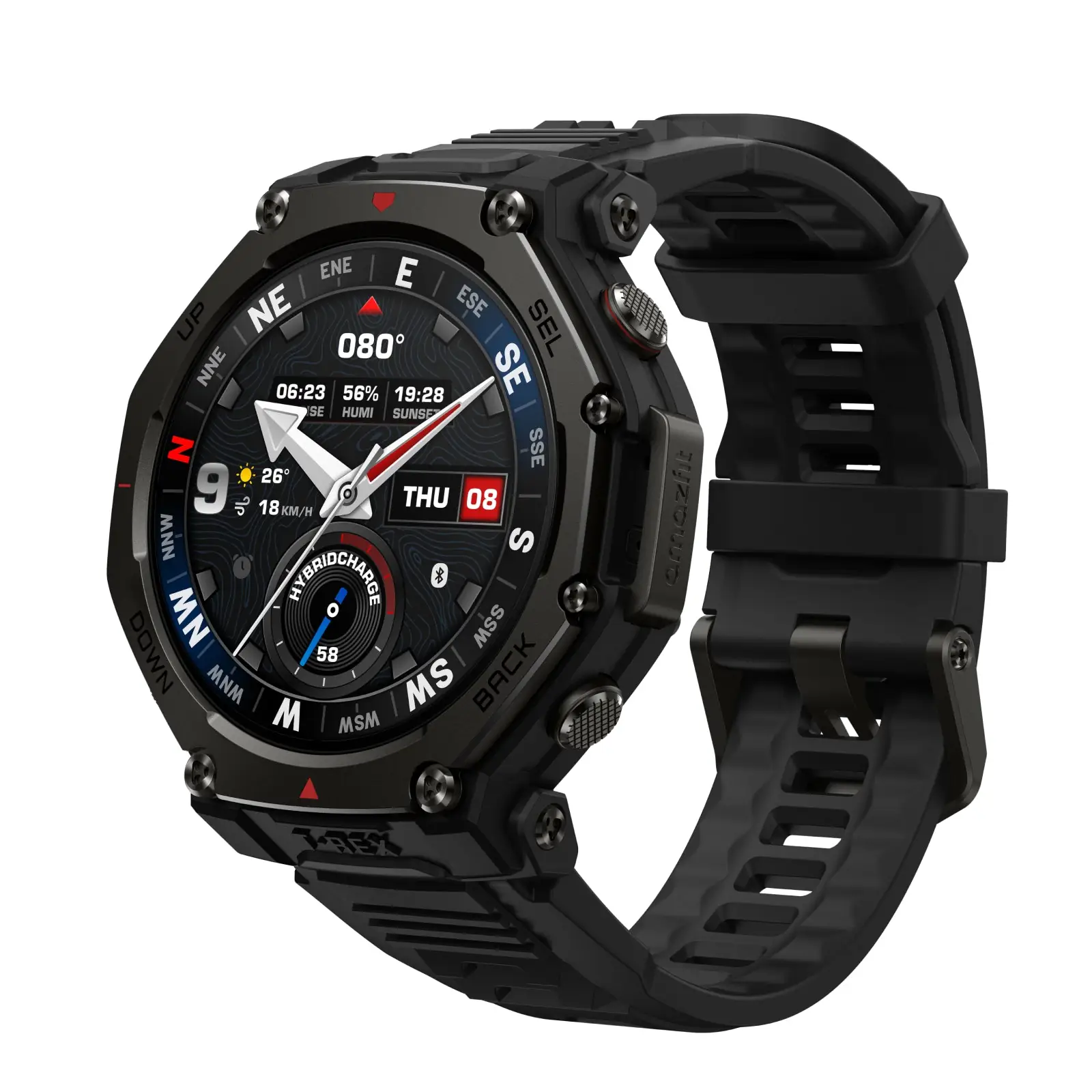
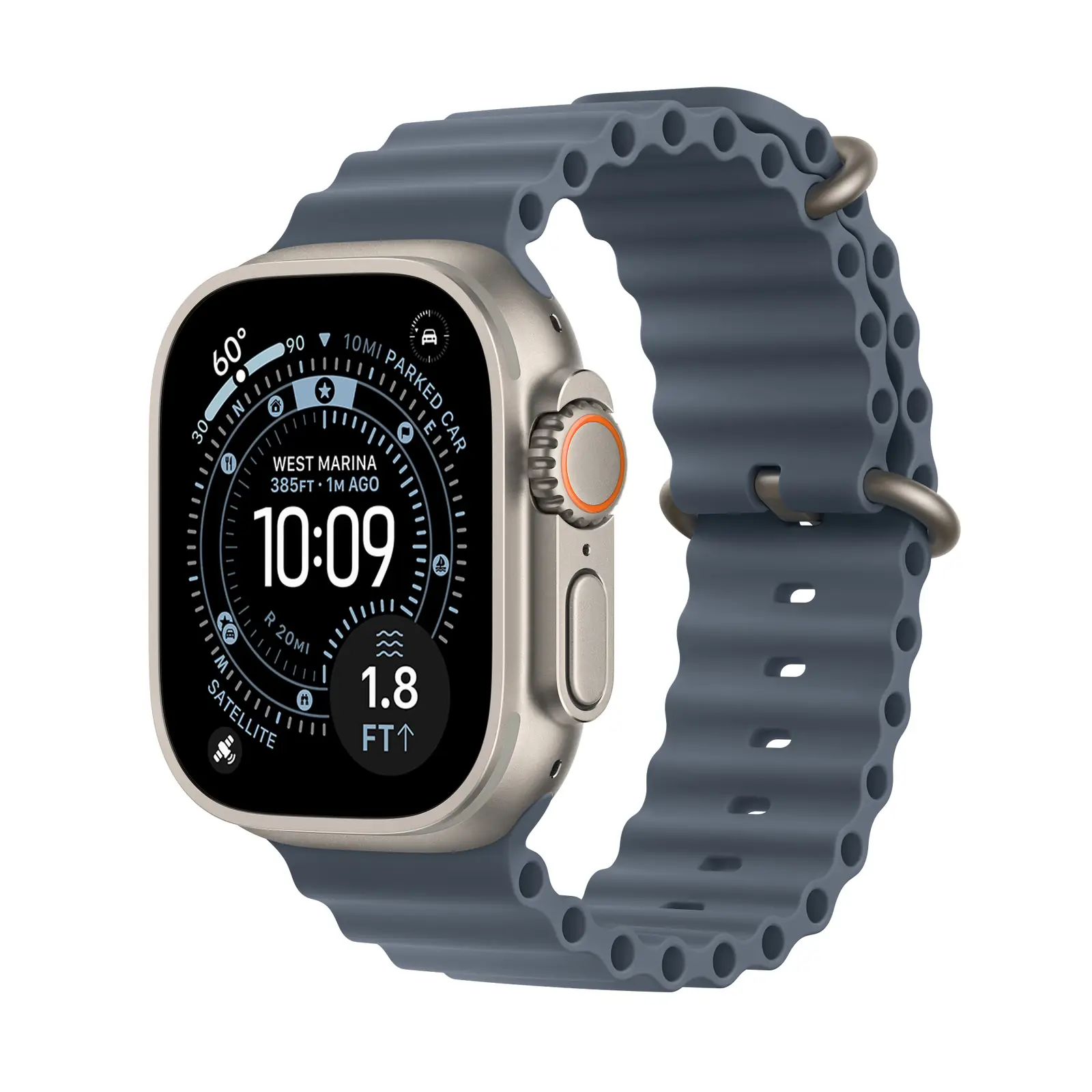
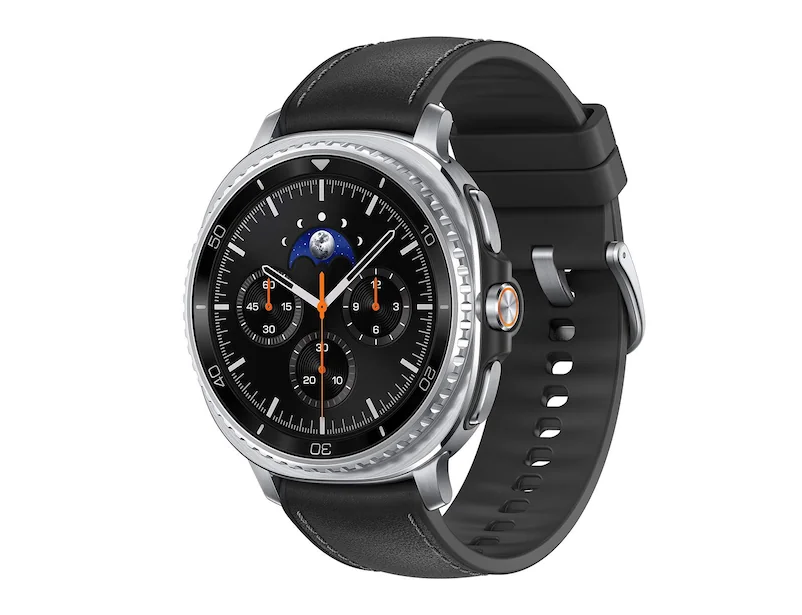
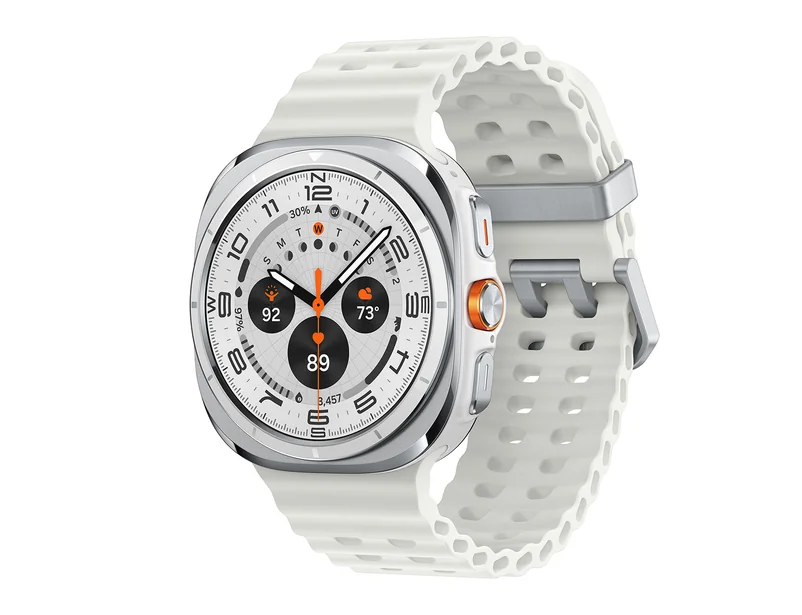
Garmin Fenix 8 is the outdoor flagship: 1.4-inch AMOLED, multi-band GNSS, 10 ATM with 40m dive rating, topo maps, LED flashlight, up to 16 days (7 always-on). Launched at $1,099, above the Ultra 2 at $799 and Galaxy Watch Ultra at $649. No subscription, cellular or wireless charging; the smartwatch side is basic (no quick replies, limited Garmin Pay, UI lag). Optical heart rate struggles in intervals and heat.
Amazfit Bip 6
Amazfit Bip 6 is the budget pick: 1.97-inch AMOLED at 2000 nits, built-in GPS, Bluetooth calling, 340 mAh battery lasting about 10 days, at $79 MSRP (Best Buy $80, Macy’s $85.95). Works with Android 7.0+ and iOS 14.0+. Trade-offs: single-band GPS that underreported distance, no NFC or music, no skin temperature, laggy UI, and advanced sleep behind a $60/year Zepp Aura. Heart rate tracked close to a Polar strap.
TicWatch Pro 5
TicWatch Pro 5 is a large Wear OS watch whose 628 mAh cell and second display deliver 75 to 83 hours, with a 49 to 65% top-up in 30 minutes. MSRP $349.99, reported June 2024 sale at $261. Broad health tracking, Google Pay, calls, notifications, 5ATM/MIL-STD-810H. Downsides: no Assistant at launch, no Wear OS 4 as of CNET’s January 2024 review, bloatware, and optical heart rate reading 100 bpm in a sprint where a strap showed 160. Android-only, no iOS or ECG.
Battery life
The spread is the widest spec here: about 10 days (Bip 6), 3 days (TicWatch), 36 to 56 hours (Pixel 4), 46 hours (SE 3), 26 hours (Galaxy 8 always-on), 7 to 16 days (Fenix 8). If charging annoys you, that order is close to the buying order.
Ecosystem and phone lock-in
SE 3 needs an iPhone 11 or later on iOS 27. Galaxy 8 and Pixel 4 run on Android, with full health/AI on Samsung or Pixel phones and reduced sets elsewhere. TicWatch is Android-only. Bip 6 works with both. Fenix 8 pairs with either via Garmin Connect, but its smartwatch features are the thinnest.
Health sensors
Samsung and Google have the deepest sensors: ECG, SpO2, skin temperature, plus Samsung’s body composition. Apple has heart rate, temperature, sleep stages and sleep-apnea alerts but no ECG or blood oxygen. Garmin has Elevate Gen 5 heart rate, Pulse Ox and an ECG app. Amazfit covers heart rate, SpO2, stress and sleep, no skin temperature. TicWatch has heart rate, SpO2 and skin temperature, no ECG. ECG or body composition narrows it to Samsung, Google or Garmin.
Who should buy which
- Android owners who want ECG and a bright screen and can charge daily: Galaxy Watch 8.
- Pixel phone owners or anyone who values repairability and two-day battery: Pixel Watch 4.
- Runners and outdoor athletes who need maps, multi-band GPS and weeks of battery: Fenix 8.
- Android owners who prioritize battery over the newest software: TicWatch Pro 5.
Bottom line
Prices and specs collected from manufacturer/retailer listings and public reviews; always confirm price and stock on the linked page before buying.