Comparison · 2026
Best Resin 3D Printers 2026: Saturn 4 Ultra vs Mars 5
Researched by Dmitrii Pakhomov · Published November 9, 2026
The short answer
Verdict based on specifications, manufacturer documentation and owner reviews. We did not lab-test these products.
| Product | Key specs | Main drawback | Not for |
|---|---|---|---|
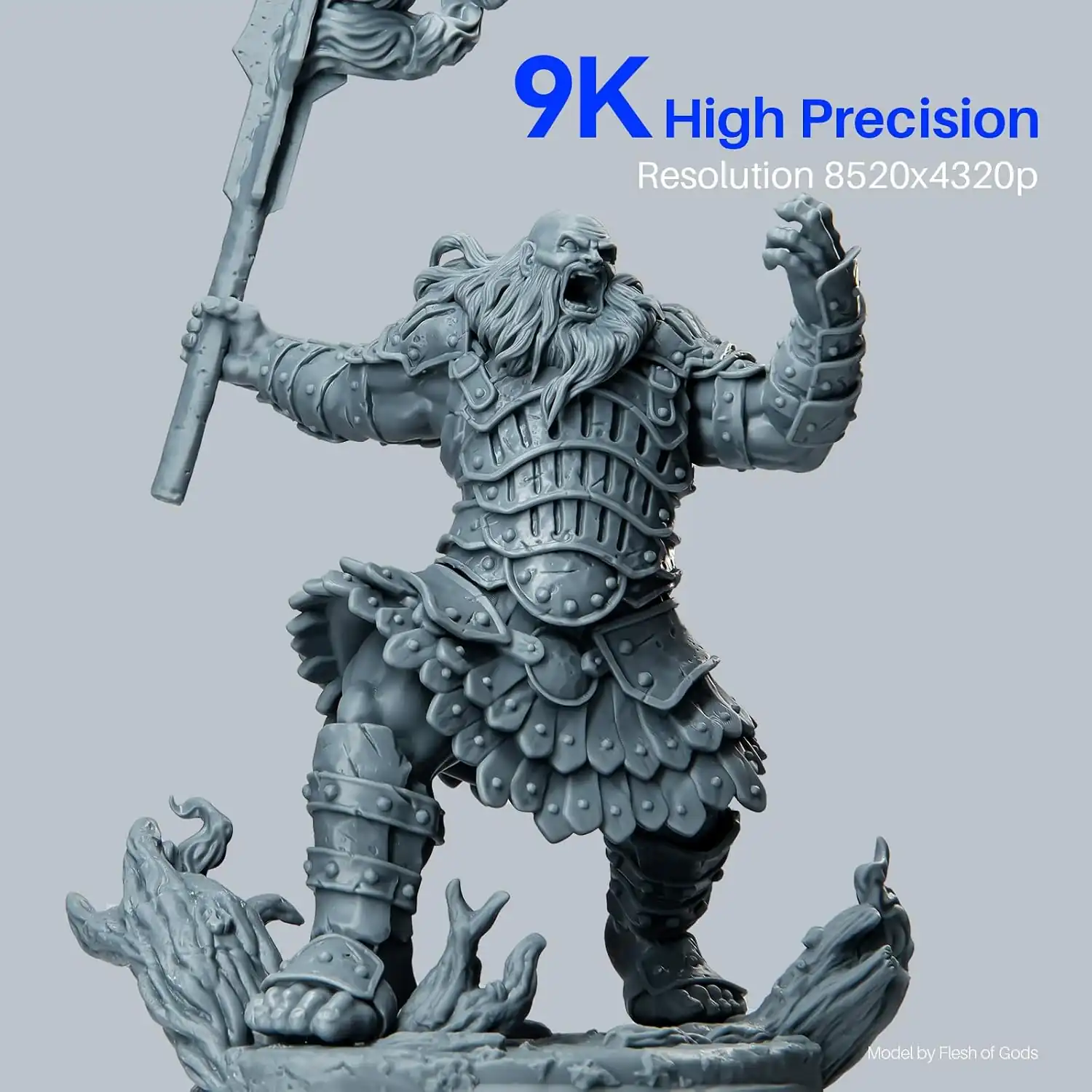
| ELEGOO Mars 5 Ultra 9K Resin 3D Printer | 7-inch 9K monochrome LCD (8520 x 4320) 18 um XY resolution Build volume 153.36 x 77.76 x 165 mm | Its spring leveling sensor is a wear part, and there is no resin heater. | Anyone printing in a cold room |
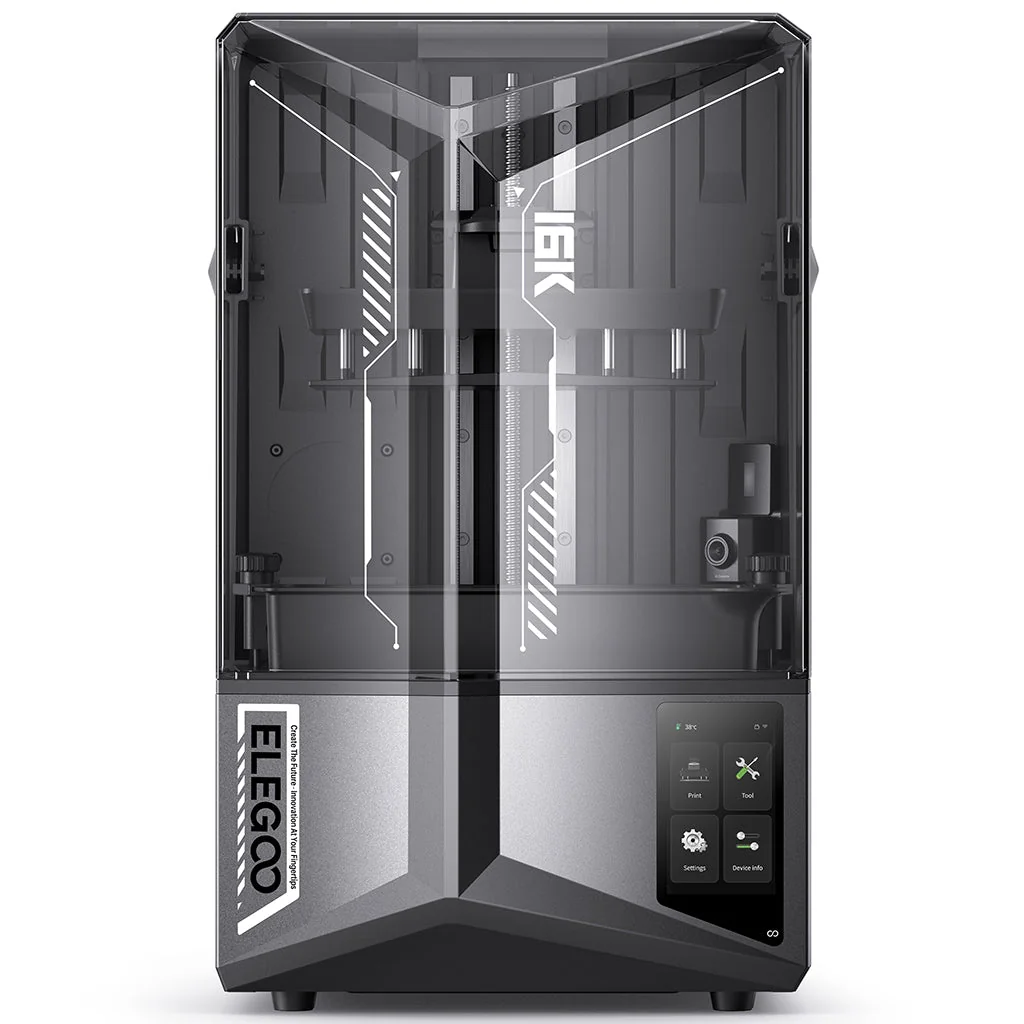
| ELEGOO Saturn 4 Ultra 16K Resin 3D Printer | Resolution 15120 x 6230 px XY resolution 14 x 19 um Build volume 211.68 x 118.37 x 220 mm | 16.1 kg, touchscreen glitches, and X-motor knocking on some units. | Small-batch hobby printing on a desk |
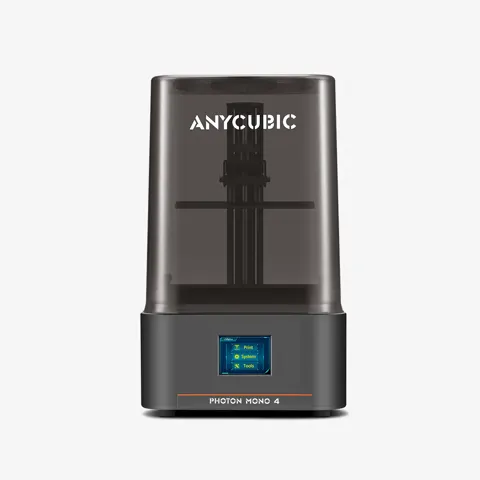
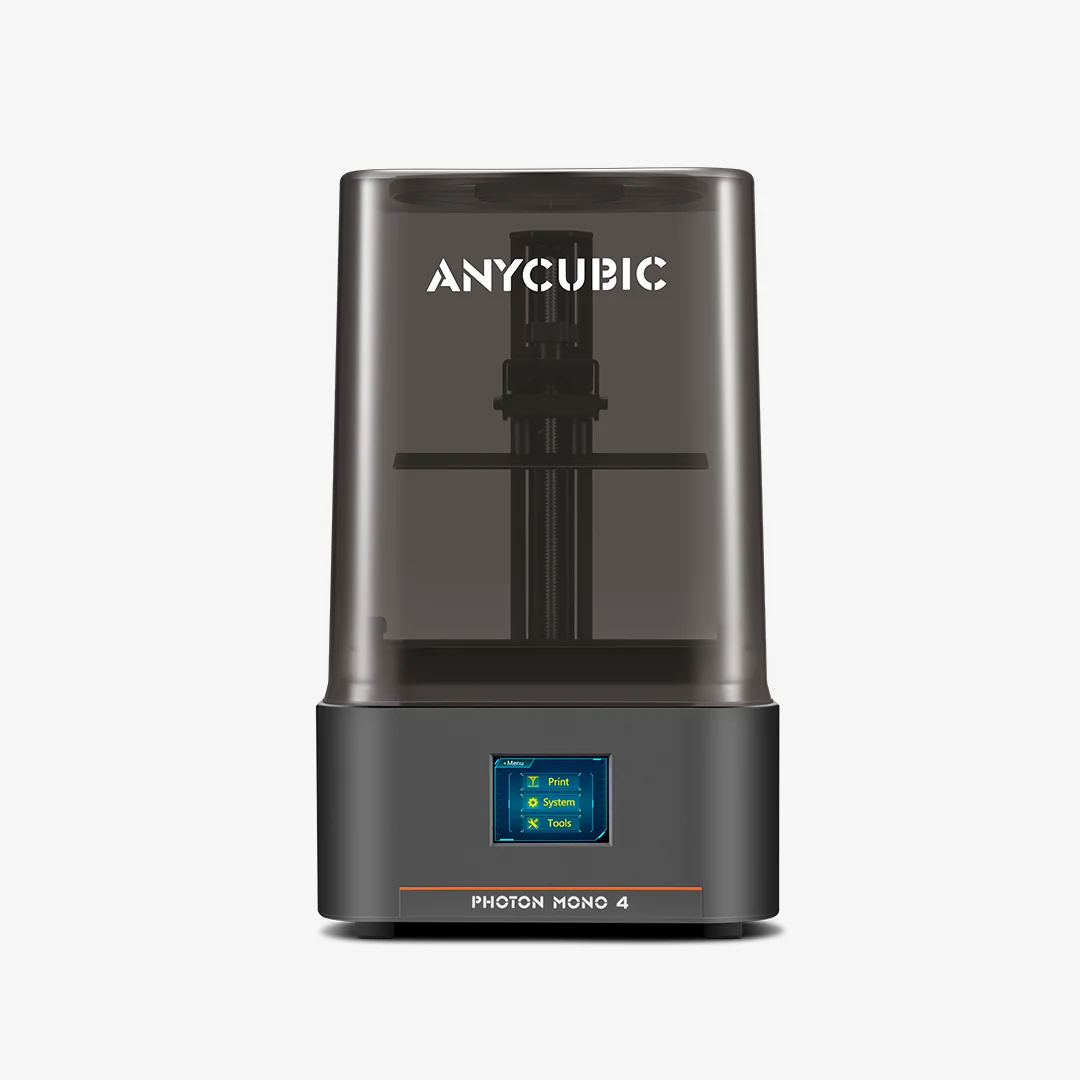
| Anycubic Photon Mono 4 Resin 3D Printer | Build volume 153.4 x 87 x 165 mm XY resolution 17 x 17 um 7-inch 10K mono LCD | Manual 4-point leveling and a touchscreen that can be off by half an inch. | Anyone who wants Wi-Fi |
How we picked these products
We compare product identity, specifications, pros/cons and retailer links. Until approved retailer API access is available, current Amazon price, star-rating and review-count data are not republished here.
Prices at a glance
| Product | Price | Stores |
|---|---|---|
| ELEGOO Saturn 4 Ultra 16K Resin 3D Printer | from $399.00 · ELEGOO | 7 stores |
| ELEGOO Mars 5 Ultra 9K Resin 3D Printer | from $259.00 · ELEGOO | 6 stores |
| ELEGOO Mars 5 4K Resin 3D Printer | from $179.00 · ELEGOO | 4 stores |
| Anycubic Photon Mono 4 Resin 3D Printer | from $209.00 · eBay | 5 stores |
| Creality HALOT-X1 Neo Resin 3D Printer | from $239.00 · Shop | 6 stores |
| Phrozen Sonic Mighty 4K Resin 3D Printer | from $269.99 · eBay | 8 stores |
Prices are snapshots. Check the current price with the store.
Two of the six machines here run the same 8520 x 4320 9K panel at 18 µm pixels — the ELEGOO Mars 5 Ultra and the Creality HALOT-X1 Neo — yet they fail in opposite ways. The Creality needs no leveling because it ships pre-leveled. The ELEGOO levels itself, but owners report intermittent “Automatic leveling failed” errors traced to the coiled spring cable in its sensor, sometimes within the first five prints.
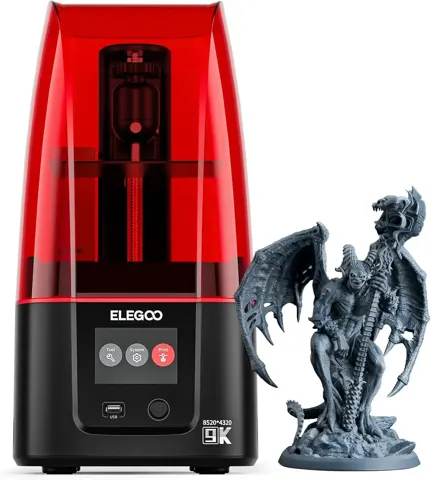
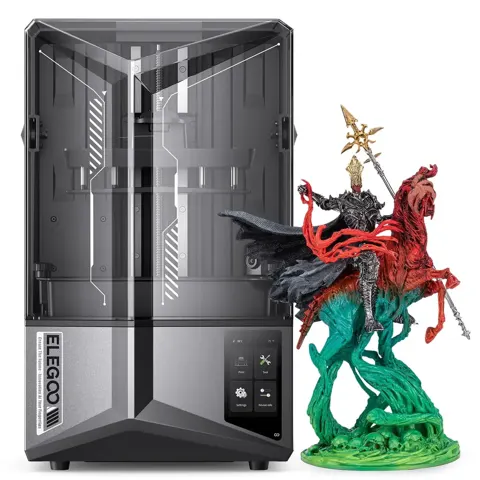
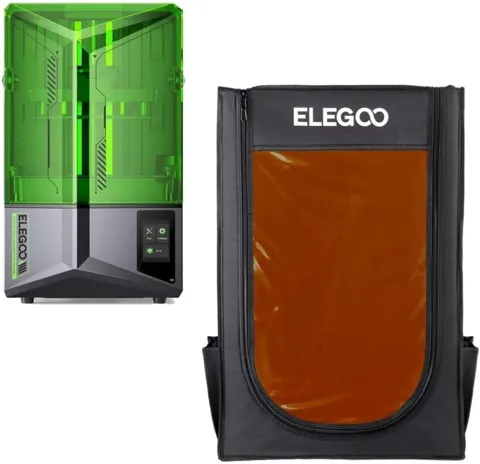
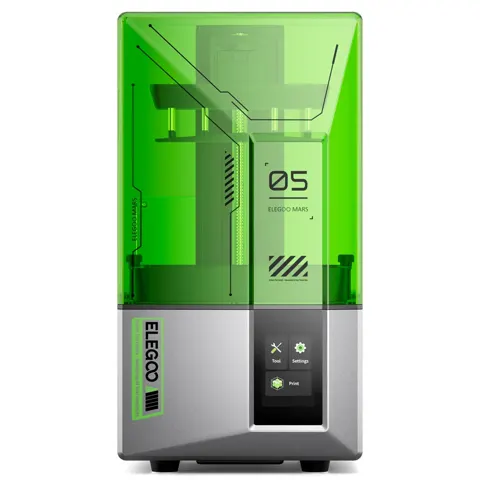
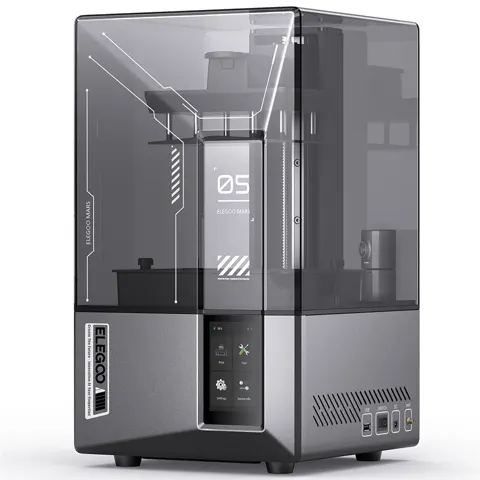
ELEGOO Mars 5 Ultra
The all-round pick: 9K detail, tilt release, Wi-Fi, and the least fiddly setup of the group. It runs at up to 150 mm/h and has a 4-inch capacitive touchscreen. Its tilt vat rocks a few degrees before the plate lifts, which all three reviewers tied to fewer adhesion failures and less peel stress.
The catches: no resin heater, so ELEGOO puts the working range at 25–30 °C and owners in unheated basements near 10 °C need external vat heating. The AI camera cannot see the build plate while it is submerged, so failure detection only starts once a print stands about 50 mm clear of the vat edge. Firmware 1.3.9 is reported to brick units at the logo screen.
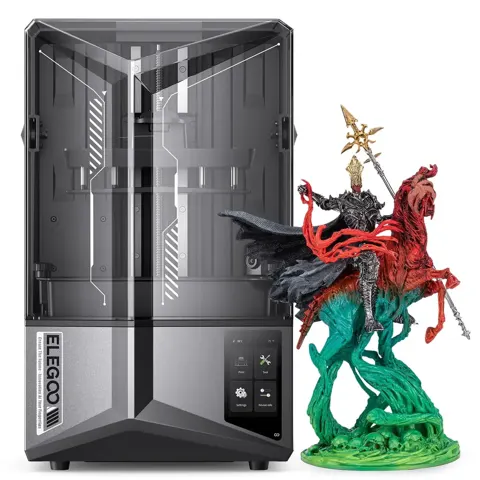
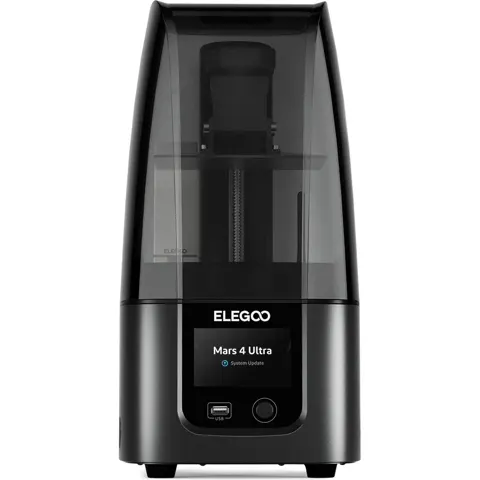
ELEGOO Saturn 4 Ultra 16K
The only machine here with a heated vat and a large build area: 211.68 x 118.37 x 220 mm, a 10-inch 16K mono panel at 15120 x 6230 px, 14 x 19 µm XY, and resin held at 30 °C. Owners in cold garages and basements report the heated tank eliminates the cold-related failures that plague the 12K. Hackster.io called the tilt release “the single biggest reliability advancement I’ve seen in seven years of resin printing,” with community estimates of roughly 35% less peel force.
At 16.1 kg and 327 x 329 x 548 mm it is not a desk machine. The touchscreen can act erratically, the Network Sender Wi-Fi utility crashes frequently, and some units have X-motor knocking that ELEGOO replaces under warranty. CNX Software measured the panel as 14112 x 7936 px rather than the published 15120 x 6230.
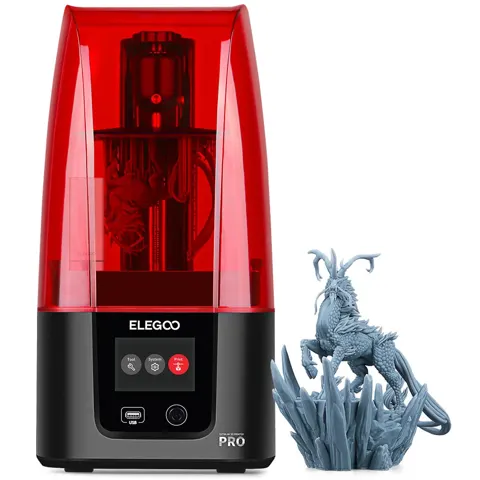
ELEGOO Mars 5
The budget ELEGOO pick. You get a 6.6-inch 4K monochrome panel at 35 µm, a 143.43 x 89.6 x 150 mm build volume, and up to 70 mm/h.
The tradeoffs are deliberate: USB only, .goo files only (the Mars 5 Ultra reads .ctb as well), and no Wi-Fi, AI camera or power-loss resume. The real owner problem is the LCD.
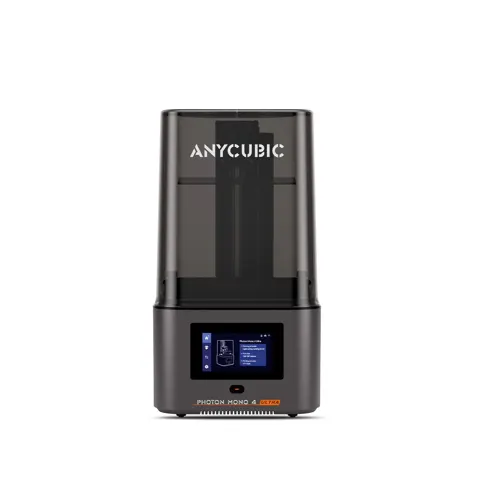
ANYCUBIC Photon Mono 4
The entry-level pick with real specs behind it: a 7-inch 10K monochrome LCD at 9024 x 5120 px and 17 x 17 µm, in a 2.2 L build volume of 153.4 x 87 x 165 mm. It ships fully assembled and pre-calibrated with a laser-engraved build platform, and speed reaches 50 mm/h with standard resin or 70 mm/h with high-speed resin.
Three owner-reported issues come up in the Anycubic Wiki FAQ: touchscreen misalignment off by roughly half an inch on some units, persistent “residue detected” errors that halt prints, and a loud internal fan that sometimes needs a power cycle before a print starts. These are individual reports, not defect rates.
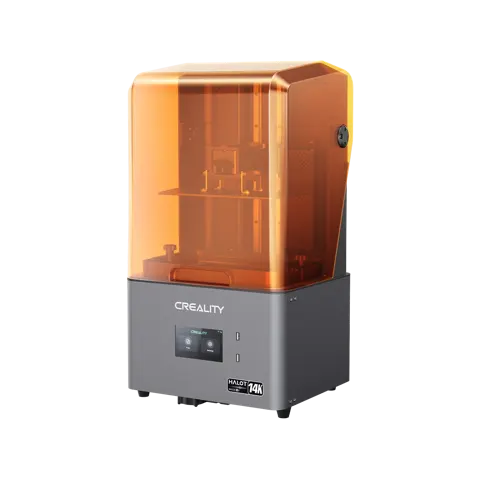
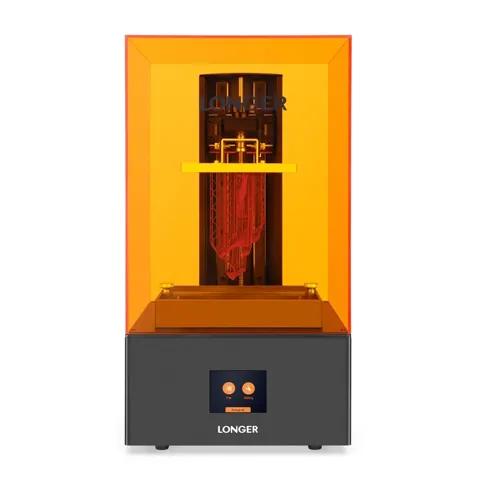
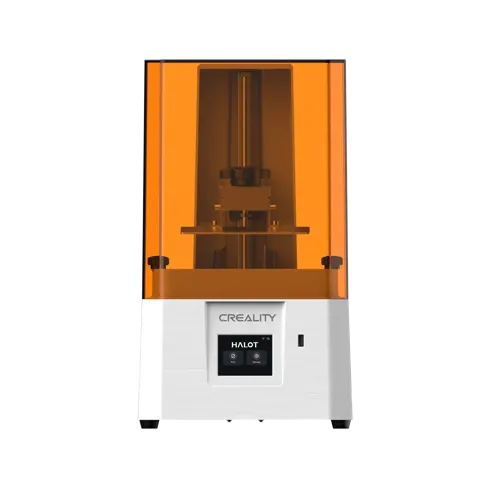
Creality HALOT-X1 Neo
The pick for people who want zero setup fiddling. The build plate is factory pre-leveled, so there is no user leveling step at all. You get an 18 µm 9K panel, Wi-Fi plus CrealityCloud, a 2.8-inch 240 x 320 touchscreen, a 65 W draw and a 4.38 kg body.
It launched in September 2026 and no independent lab has tested it, so its 60 mm/h figure at 0.2 mm layers is a manufacturer claim. The build area is narrow at 153.36 x 77.76 mm, and there is no quick-release plate, zoned exposure, chamber heating or air purification. Creality publishes a full parts list with SKUs and video repair guides, plus component lifespans: LCD around 3,000 hours, UV lamps around 20,000 hours, release film around 30,000 layers. Warranty runs up to 12 months with a 14-day return window.
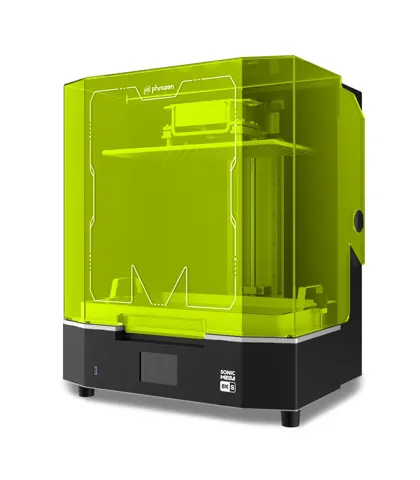
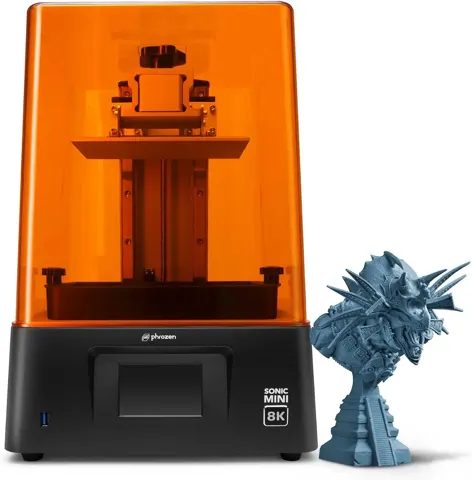
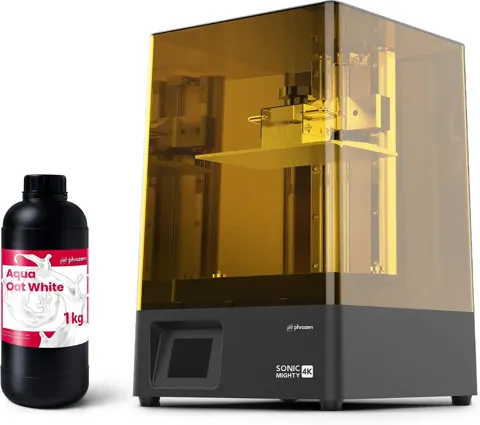
Phrozen Sonic Mighty 4K
The large-format clearance option from a fourth brand: a 9.3-inch 4K monochrome panel at 3840 x 2400 px (about 52–53 µm) over a 20 x 12.5 x 22 cm build volume, one of the two large-format machines here. It is not plug-and-play. All3DP flags a tricky resin vat, partly hidden leveling screws, a pokey 2.8-inch touchscreen and no flush cutters in the box. The original firmware reportedly reads only files sliced in ChiTuBox 1.8.1 and below.
Warranty is 3 months on the mono LCD and 12 months on the LED module, build plate, Z-axis, vat and main body, with FEP film not covered.
Who should buy which
Buy the Mars 5 Ultra for general miniature work on a desk: it is the best documented of the six, with tilt release, Wi-Fi and measured accuracy. Buy the Saturn 4 Ultra 16K if you need big parts, fine detail or a warm vat in a cold room, and you can live with 16.1 kg and an unreliable Network Sender. Buy the base Mars 5 if budget is the main constraint and you can handle a .goo-only workflow with a fragile LCD. Buy the Photon Mono 4 for a cheap 10K panel and a pre-calibrated start, accepting manual leveling and USB-only transfers. Buy the HALOT-X1 Neo if you want Wi-Fi, published parts support and no leveling at all.
Prices and specs collected from manufacturer and retailer listings and public reviews; always confirm current price and stock on the linked page before buying.
See also: Resin 3D Printers under $200 (2026) · Resin 3D Printers under $300 (2026)