Comparison · 2026
Work Sharp Precision Adjust Elite vs DMT Dia-Sharp, King KDS, SHARPAL 168H and Messermeister: Knife Sharpening Compared
Researched by Dmitrii Pakhomov and Daria Govorina · SavingsHook editorial · Published October 16, 2026
The short answer
Verdict based on specifications, manufacturer documentation and owner reviews. We did not lab-test these products.
| Product | Key specs | Main drawback | Not for |
|---|---|---|---|
| Work Sharp Precision Adjust Elite Knife Sharpener | 15-30 degree angle in 1-degree increments 7 abrasive system (320/600 diamond, ceramic) Leather strop included | The polymer chassis flexes around the clamp, which owners say hurts angle consistency. | Anyone who wants all-metal rigidity — that is the Professional. |
| SHARPAL 168H Large 8" x 3" Dual-Grit Diamond | Coarse 325 grit (45 micron) diamond surface Extra Fine 1000 grit (15 micron) diamond surface 8 x 3 inch (203 x 76 mm) sharpening surface | No independent lab test and thin owner coverage, so long-term reliability is unproven. | Buyers who need a storage case in the box — it ships without one. |
| DMT D6EF Dia-Sharp 2 | 6-inch length Extra-fine diamond (9 micron / 1200 mesh) Continuous diamond surface | The 6-inch length is short for large kitchen knives. | Mirror-polish seekers — you need an 8000-grit waterstone or a leather strop. |
How we picked these products
We compare product identity, specifications, pros/cons and retailer links. Until approved retailer API access is available, current Amazon price, star-rating and review-count data are not republished here.
Prices at a glance
| Product | Price | Stores |
|---|---|---|
| Work Sharp Precision Adjust Elite Knife Sharpener | Price not listed | 6 stores |
| Fixed Angle Knife Sharpener Kit with Digital | Price not listed | 4 stores |
| DMT D6EF Dia-Sharp 2 | Price not listed | 5 stores |
| King KDS Whetstone 1000/6000 Grit Double-Sided | from $36.99 · Woodcraft | 6 stores |
| SHARPAL 168H Large 8" x 3" Dual-Grit Diamond | from $45.00 · Chef Knives To Go | 5 stores |
| Messermeister 10" Ceramic Rod / Sharpening Steel | Price not listed | 4 stores |
Prices are snapshots. Check the current price with the store.
The six tools here split into three jobs: guided systems that clamp the knife and set the angle for you, bench stones that demand freehand skill, and a honing rod that maintains an edge but cannot create one.
Work Sharp Precision Adjust Elite
A manual guided sharpener with a V-Block clamp, a 15-to-30-degree angle dial in 1-degree steps, and seven abrasives from 220-grit diamond to a leather strop. It is the base Precision Adjust plus an upgrade kit: the extra grits, the strop, the serration rod and the carry case. The polymer chassis flexes around the clamp, which owners say affects angle consistency, and beginners report a longer learning curve than expected. A 3-year warranty and peel-and-stick replacement plates keep long-term costs down.
Work Sharp Precision Adjust Elite
Work Sharp Professional Precision Adjust
The all-metal version of the same concept. The metal clamp and chassis remove the flex owners criticize on the Elite, and a magnetic digital angle indicator reads to 0.25 degrees so you can set an angle exactly and return to it. The seven-abrasive kit covers repair to polish, and Sharpening Supplies measured a pre-production sample at 127 grams on an Edge-On-Up tester.
Work Sharp Professional Precision Adjust
DMT D6EF Dia-Sharp Bench Stone
A 6-inch double-sided diamond stone with extra-fine 1200-mesh and fine 600-mesh surfaces. The continuous diamond cuts fast, stays flat without lapping, and needs no soaking – use it dry or with water. The diamond surface showed no wear after months of regular use in one tester’s hands. The catch is the finish: the 1200-mesh side refines an edge but does not produce the mirror polish a waterstone gives, and the 6-inch length is short for large kitchen knives.
DMT D6EF Dia-Sharp Bench Stone
King KDS Whetstone 1000/6000
A Japanese combination waterstone, 207 x 66 x 36 mm, with a #1000 sharpening face and a #6000 polishing face. It is cheap, beginner-friendly, and cuts carbon steels like Tojiro white #2 quickly. The soft clay binder is the whole story: it gives the feedback beginners want, but it dishes at a moderate rate and needs periodic flattening with a diamond or lapping plate. Retailer instructions disagree on soaking – most say 10 to 20 minutes, one warns the #6000 side can split if soaked.
SHARPAL 168H Large 8" x 3" Dual-Grit Diamond
A budget diamond stone with a coarse 325-grit face and an extra-fine 1000-grit face, electroplated onto a metal plate. The diamond surface needs no flattening, and the included Angle Pyramid guide covers four fixed angles. One owner tested it on six knives and called the value incredible.
SHARPAL 168H Large 8" x 3" Dual-Grit Diamond
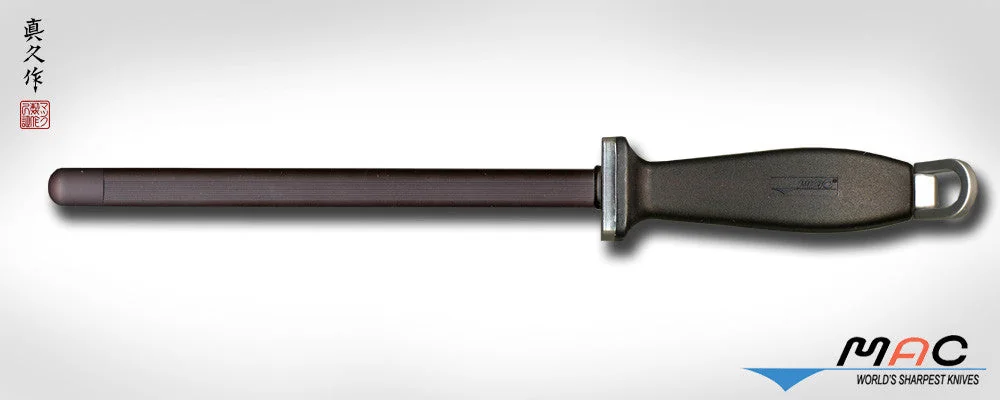
Messermeister 10-Inch Ceramic Sharpening Rod
A 1200-grit solid aluminum-oxide honing rod for keeping an already-sharp knife keen between full sharpenings. The ceramic removes a whisker of metal, so light passes restore a keen edge – owners describe going from a blade that tears paper towel to one that slices it easily. It is a maintenance tool, not a sharpener: it will not bring a dull knife back. Ceramic is brittle, so dropping it on tile can crack or shatter it.
Messermeister 10-Inch Ceramic Sharpening Rod
Who should buy which
If you want repeatable edges without learning freehand technique, the guided systems are the only real choice.
If you want to learn freehand sharpening, the King KDS is the classic first stone – cheap, forgiving, and two grits in one block – but budget for a flattening plate and accept the soaking routine.
The Messermeister rod is not a sharpener. Buy it only if you already have a sharpener and want to stretch the time between sessions. It will not rescue a dull knife.
Prices and specs collected from manufacturer/retailer listings and public reviews; always confirm current price and stock on the linked page before buying.