How to Choose Noise Cancelling Earbuds: Buying Guide
Published October 20, 2026
In this article
Pick noise cancelling earbuds by fit and seal first, then by real battery life per charge and call quality. Active noise cancelling is the headline feature on the box, but the physical seal from the ear tips removes as much noise as the processors. Test the fit before you test the spec sheet.
What actually matters
Fit and seal come before the ANC chip
Active noise cancelling cannot cancel noise that leaks in around the tip. A loose seal lets in low-frequency rumble and forces the electronics to work harder, which usually means more pressure in your ears or more hiss. Try at least two tip sizes in the box, and wear the buds for ten minutes while walking before deciding. A bud that feels fine when you sit still can shift during a commute or a run.
Rule of thumb: if the bud feels loose in a quiet room, no ANC will fix the leak on a train.
Battery: per charge is the honest number
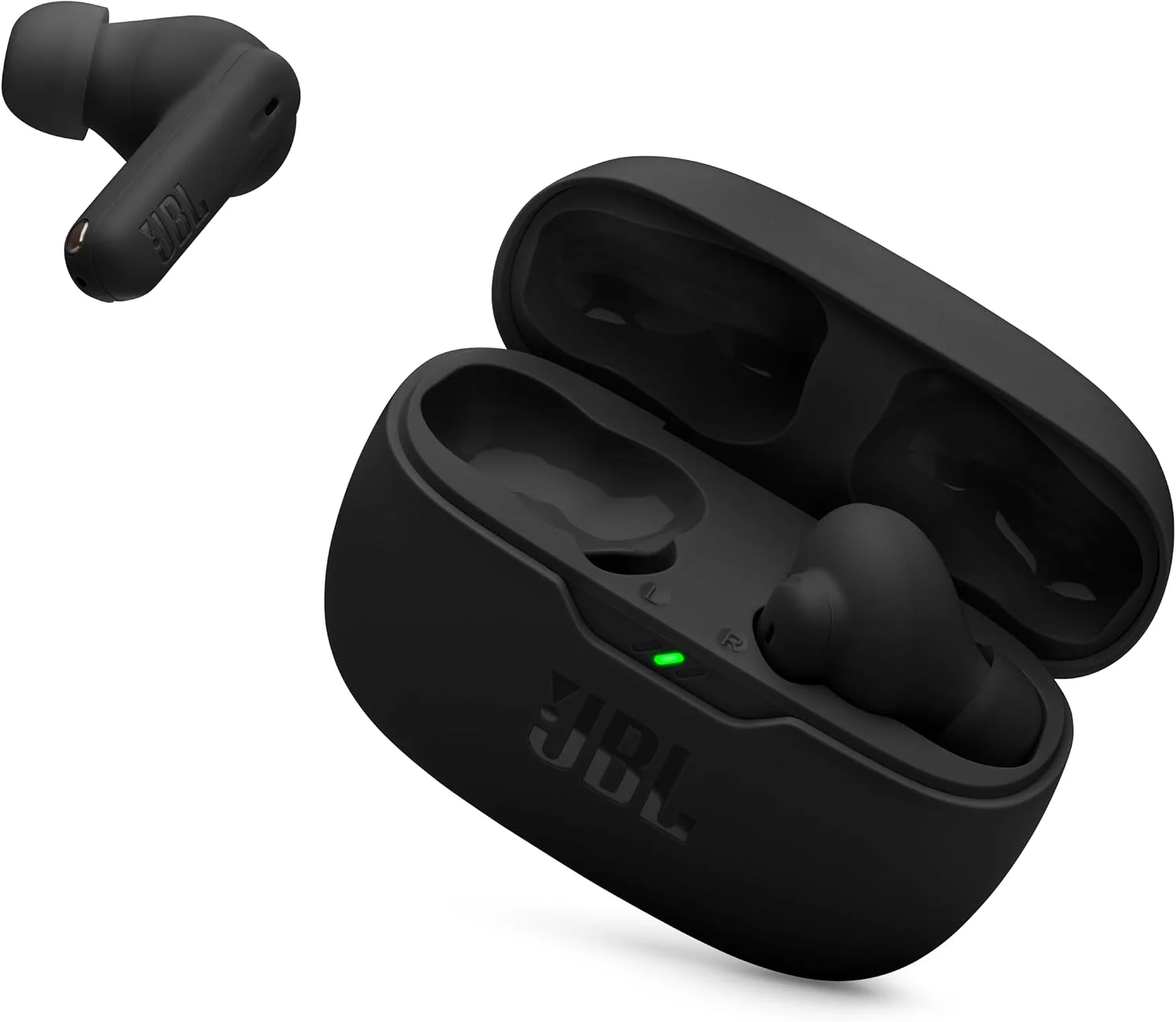
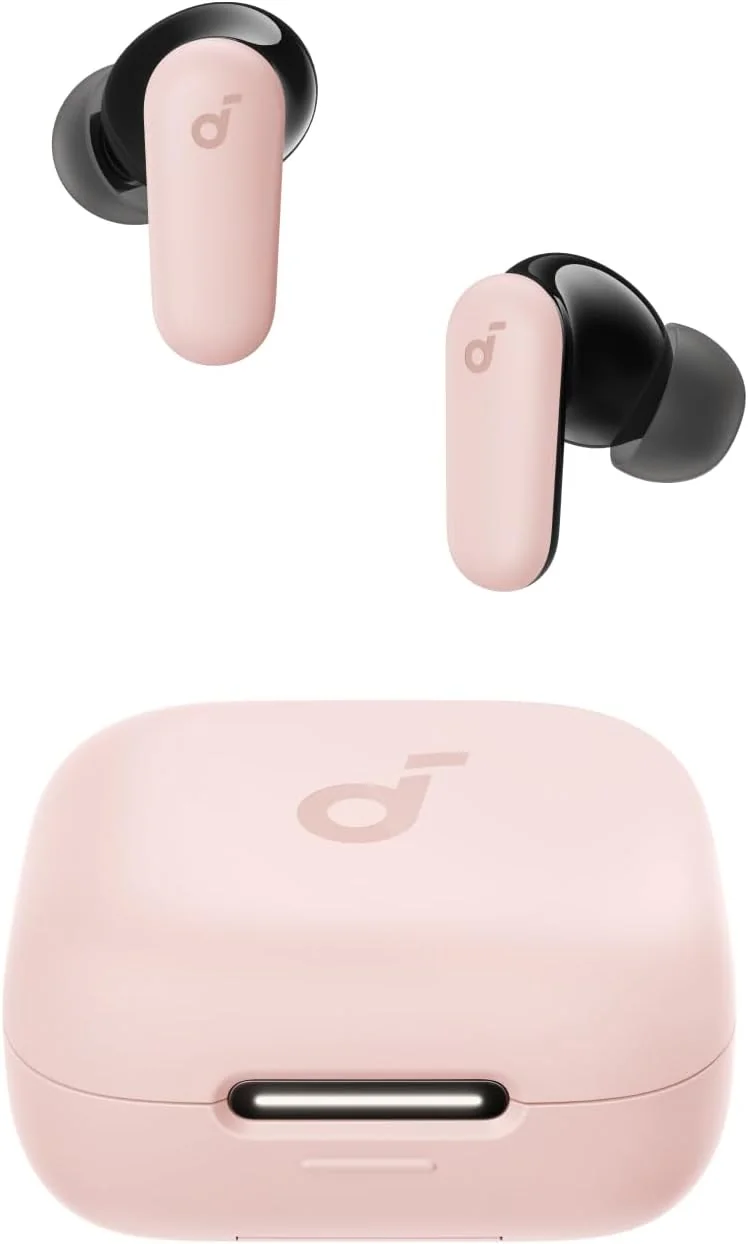
Manufacturers advertise the total with the case because it looks bigger, but you live with the per-charge figure. Turning ANC on usually cuts that number, so look for both. The JBL Vibe Beam 2 quotes 10 hours per charge with ANC off and 8 with ANC on, up to 30 hours total with the case. The Soundcore P30i by Anker reaches up to 45 hours total with its case. What you need depends on whether you charge every night or once a week. A large case total is a convenience, not a substitute for a bud that lasts your workday.
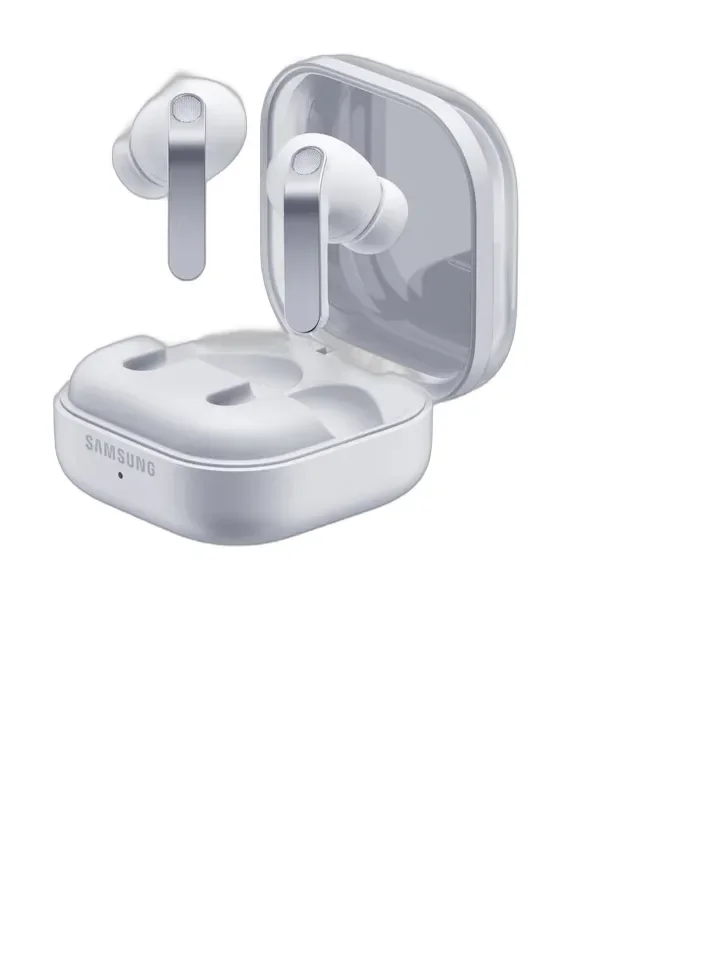
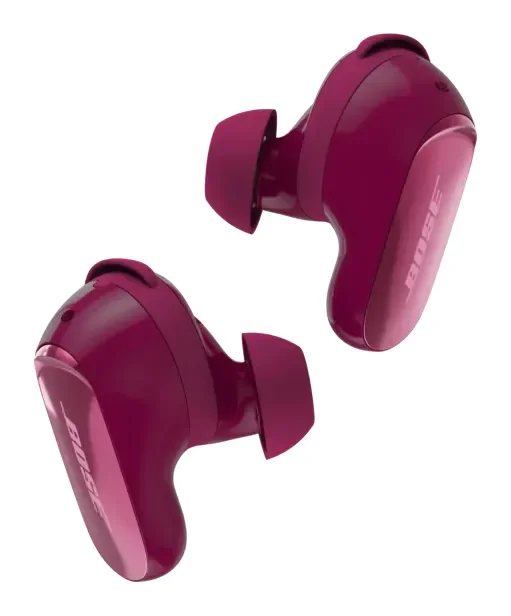
The Samsung Galaxy Buds 4 Pro carries IP57 on the earbuds only, not the case, so the buds can handle fresh water while the case cannot. The Bose QuietComfort Ultra Earbuds (2nd Gen) is rated IPX4, which covers splashes but not immersion. Match the rating to your worst day, not your best one.
Call quality and microphones
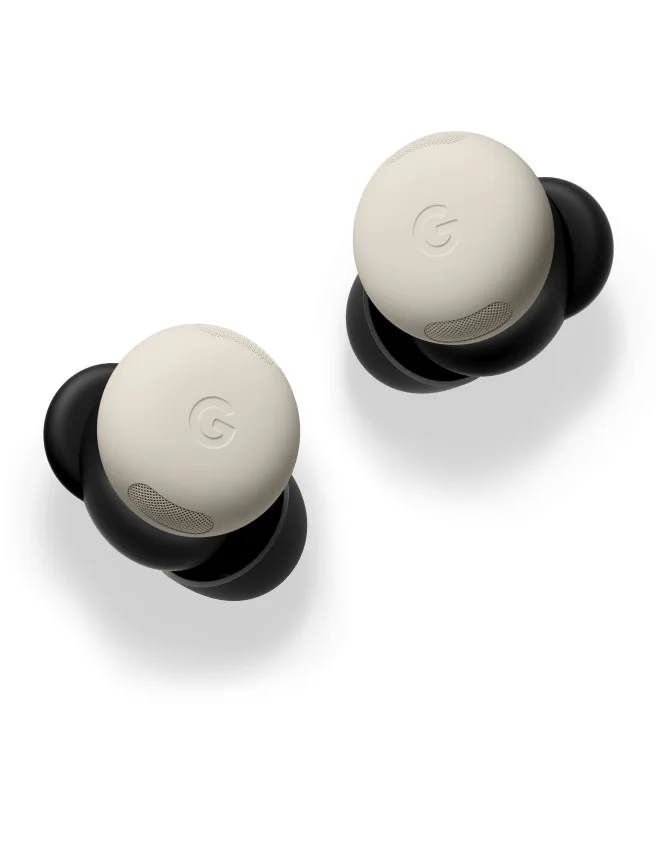
Calls are where cheap ANC buds fall apart. Look for the number of microphones and wind handling, and read how they perform outdoors rather than in a quiet room. A bud with strong ANC can still sound thin on a call if the microphones and processing are basic. The Google Pixel Buds Pro 2 leans on its Tensor A1 chip and Adaptive Audio for this kind of everyday handling.
Bluetooth version and codecs
Bluetooth 5.3, 5.4 and 6.1 all work; the differences are mostly about stability and power, not a dramatic jump in sound. Codecs matter more if your phone supports them. The Samsung Galaxy Buds 4 Pro lists SSC-UHQ (24-bit / 96 kHz), SSC, AAC, SBC and LC3, and uses a 2-way speaker with a dynamic woofer and planar tweeter. Do not pay extra for a codec your phone cannot send.
Apps, EQ and multipoint
A good app lets you tune the ANC, set an EQ and assign controls. Multipoint, which keeps the buds connected to two devices at once, is useful if you switch between a laptop and a phone. These are conveniences, not reasons to pay for a model you will not otherwise use.
Types compared
| Format | Best when | Main drawback |
|---|---|---|
| True wireless in-ear with ANC | You want one pair for commuting, calls and travel | Seal depends on ear tips; battery is per charge |
| Earhook sport buds | You train or run and need a secure fit | Heavier, larger case, not ideal for all-day wear |
| Feature-heavy flagship buds | You want the most modes, sensors and app control | You pay for features you may never open |
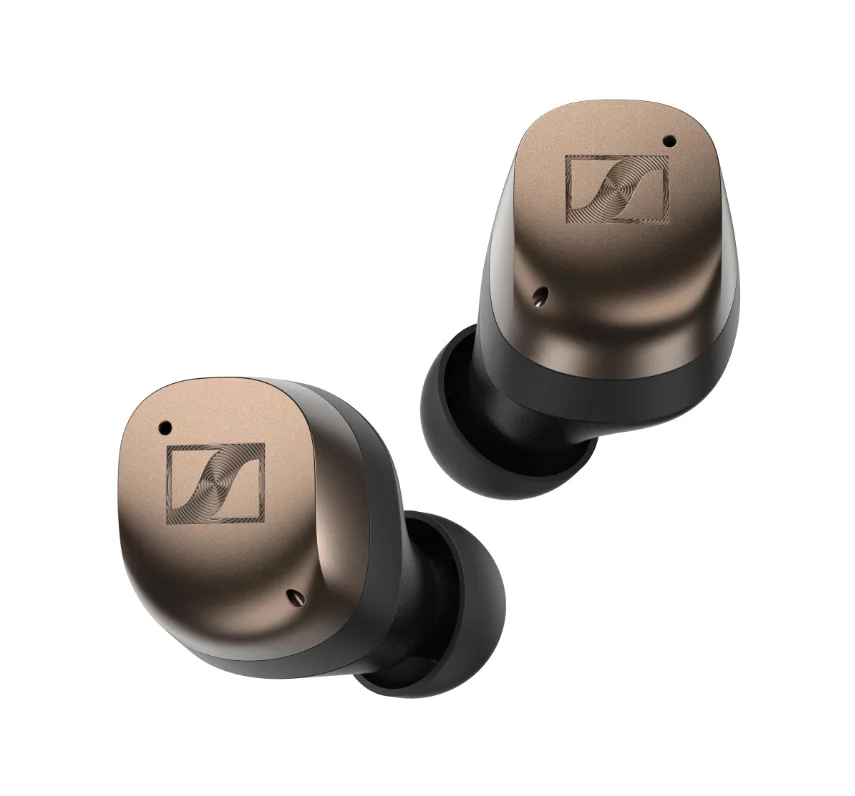
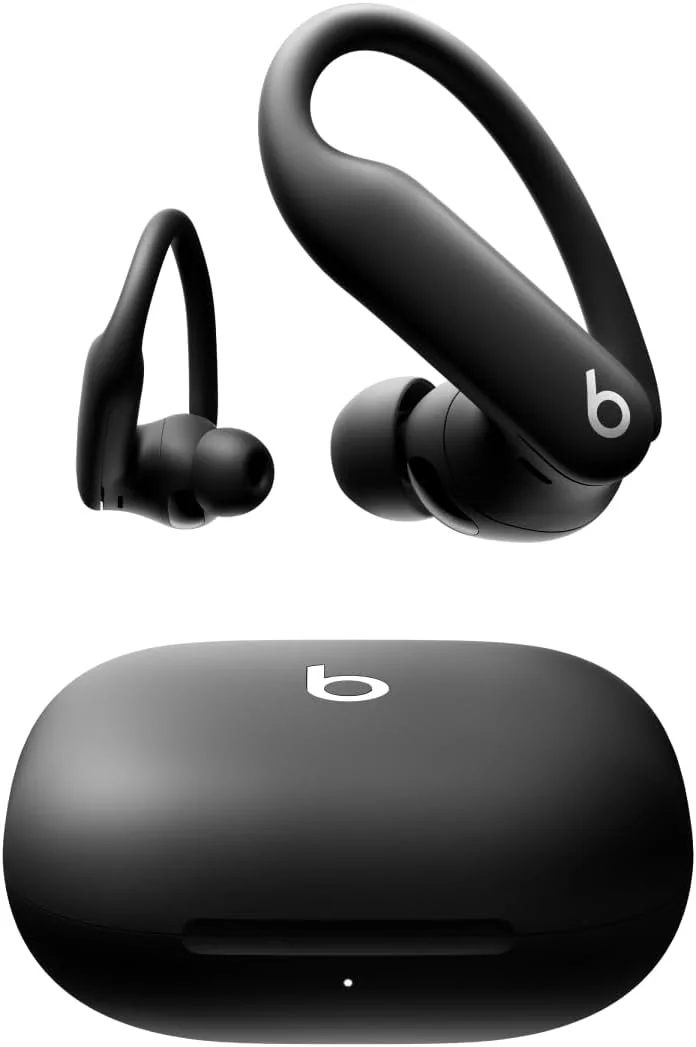
The Sennheiser Momentum True Wireless 4 is a strong all-round true wireless option with hybrid adaptive ANC, Bluetooth 5.4 and IP54 dust and splash resistance. The Beats Powerbeats Pro 2 takes the sport path with secure-fit earhooks and heart-rate monitoring. Both are valid; they simply answer different days.
Features that are marketing noise
ANC is often sold with a percentage or a count of “levels,” but those numbers are not comparable across brands and rarely predict how a voice or a siren sounds. Social-proof counts printed on the box are not sound quality. Long case totals are not battery life per charge. Treat these as footnotes and decide on fit, seal, per-charge battery and calls instead.
Who should buy what
Commuters and travellers: prioritise ANC strength, a compact case and solid per-charge battery. The Bose QuietComfort Ultra Earbuds (2nd Gen) offers up to 6 hours per charge, or up to 4 with Bose Immersive Audio on, and a case that holds up to three full charges. The JBL Vibe Beam 2 covers long days with up to 30 hours total.
Office and call-heavy users: look for multipoint, good microphones and comfort over many hours. The Google Pixel Buds Pro 2 with Adaptive Audio and Conversation Detection suits a day of mixed calls and music.
Runners and gym users: choose a secure fit and an IP rating you trust. The Beats Powerbeats Pro 2 pairs earhooks with ANC and heart-rate monitoring, while the Soundcore P30i by Anker adds IP54 resistance and Bluetooth 5.4.
Apple users who track workouts: the Apple AirPods Pro 3 Wireless Earbuds with Active Noise Cancellation adds heart-rate sensing and up to 8 hours per charge, 24 hours total with the case.
Common mistakes
Ignoring fit. The best ANC in the world cannot cancel a leak around a loose tip.
Trusting case totals. A 45-hour total can hide a short per-charge number.
Skipping the IP check. Workouts and rain destroy buds rated only for splashes.
Paying for ANC levels you will not change. Pick one mode and forget it.
Buying for codecs your phone does not support. A codec is only as good as the source.
Ignoring ear tip replacement. Worn tips lose the seal and the bass at the same time.
Setup tips
- Fit the buds with the tips that seal best, then run the fit test in the app if there is one.
- Update the firmware before judging sound or ANC.
- Set ANC for travel and an ambient or transparency mode for streets and offices.
- Enable multipoint if you use two devices, and assign the controls you actually press.
- Clean the ear tips and mesh regularly, and store the buds in the case between uses.
Maintenance and what wears out
- Ear tips: foam and silicone tips flatten and lose their seal over months. Replace them when the bass thins.
- Battery: capacity fades with charge cycles and heat. The buds usually age before the case.
- Mesh and drivers: earwax and dust clog the mesh and dull the sound. Clean gently and dry.
- Charging contacts: dirty case contacts cause intermittent charging. Wipe them and check the fit in the case.
Rule of thumb: a comfortable seal, honest per-charge battery and clear calls matter more than any ANC percentage printed on the box.
- Bose QuietComfort Ultra Earbuds (2nd Gen) – suits buyers who want flagship ANC and a case that holds up to three full charges for travel days.
- Sennheiser Momentum True Wireless 4 – fits listeners who value hybrid adaptive ANC, Bluetooth 5.4 and IP54 dust and splash resistance.
- Samsung Galaxy Buds 4 Pro – suits users who want a wide codec list (SSC-UHQ, AAC, SBC, LC3) and IP57 dust and water resistance on the buds.
- JBL Vibe Beam 2 – suits buyers who want long battery (up to 30 hours total) and a simpler feature set.
- Soundcore P30i by Anker – suits commuters who want the longest case total (up to 45 hours) and IP54 dust and water resistance.
- Beats Powerbeats Pro 2 – suits runners and gym users who need secure-fit earhooks, ANC and heart-rate monitoring.