Comparison · 2026
Google Fitbit Air vs Samsung Galaxy Fit3: Fitness Trackers Compared
Researched by Dmitrii Pakhomov and Daria Govorina · SavingsHook editorial · Published October 16, 2026
The short answer
Verdict based on specifications, manufacturer documentation and owner reviews. We did not lab-test these products.
| Product | Key specs | Main drawback | Not for |
|---|---|---|---|
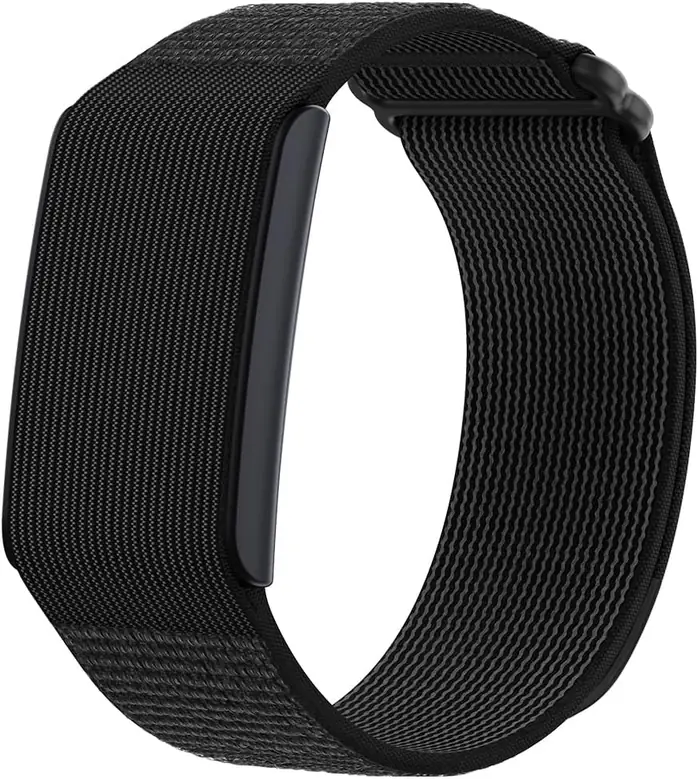
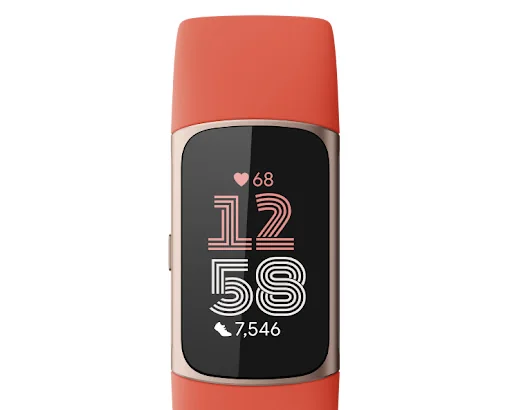
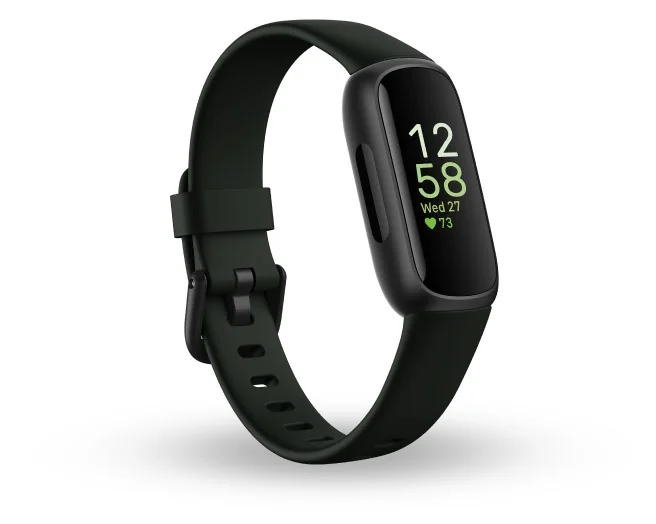
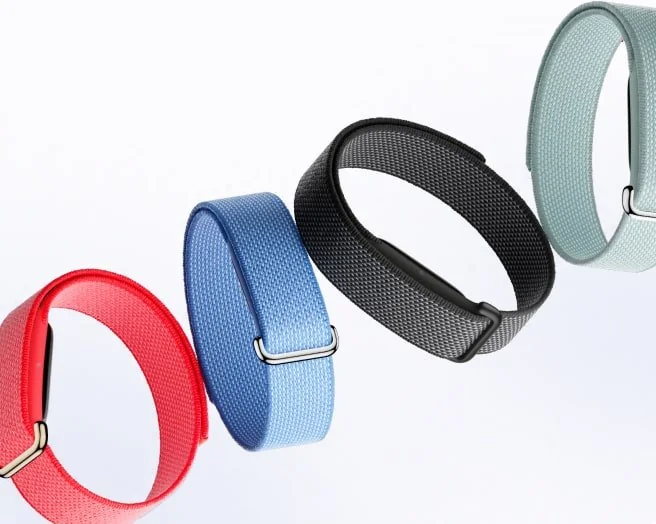
| Google Fitbit Air Screenless Activity Tracker (Obsidian) | Screenless band design Heart rate, fitness and sleep tracking Personalized AI-powered coaching | No screen and no GPS, so live stats and routes live on your phone. | Runners who want on-wrist routes and training metrics. |
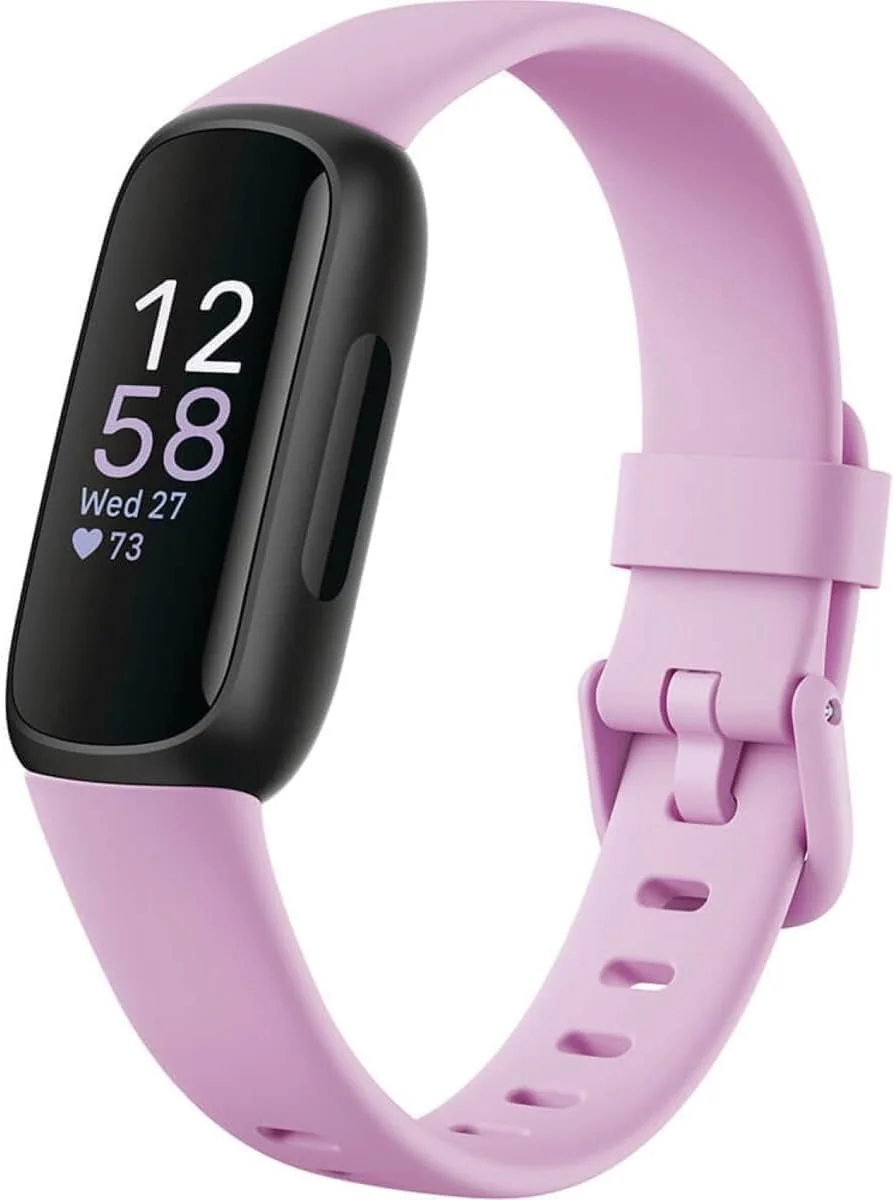
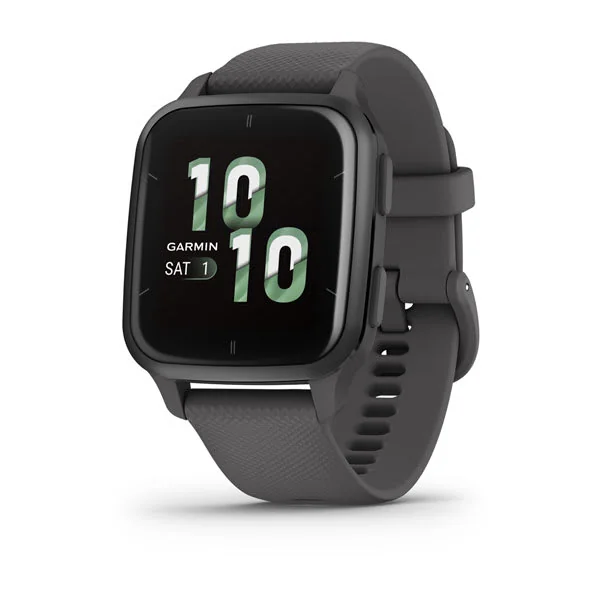
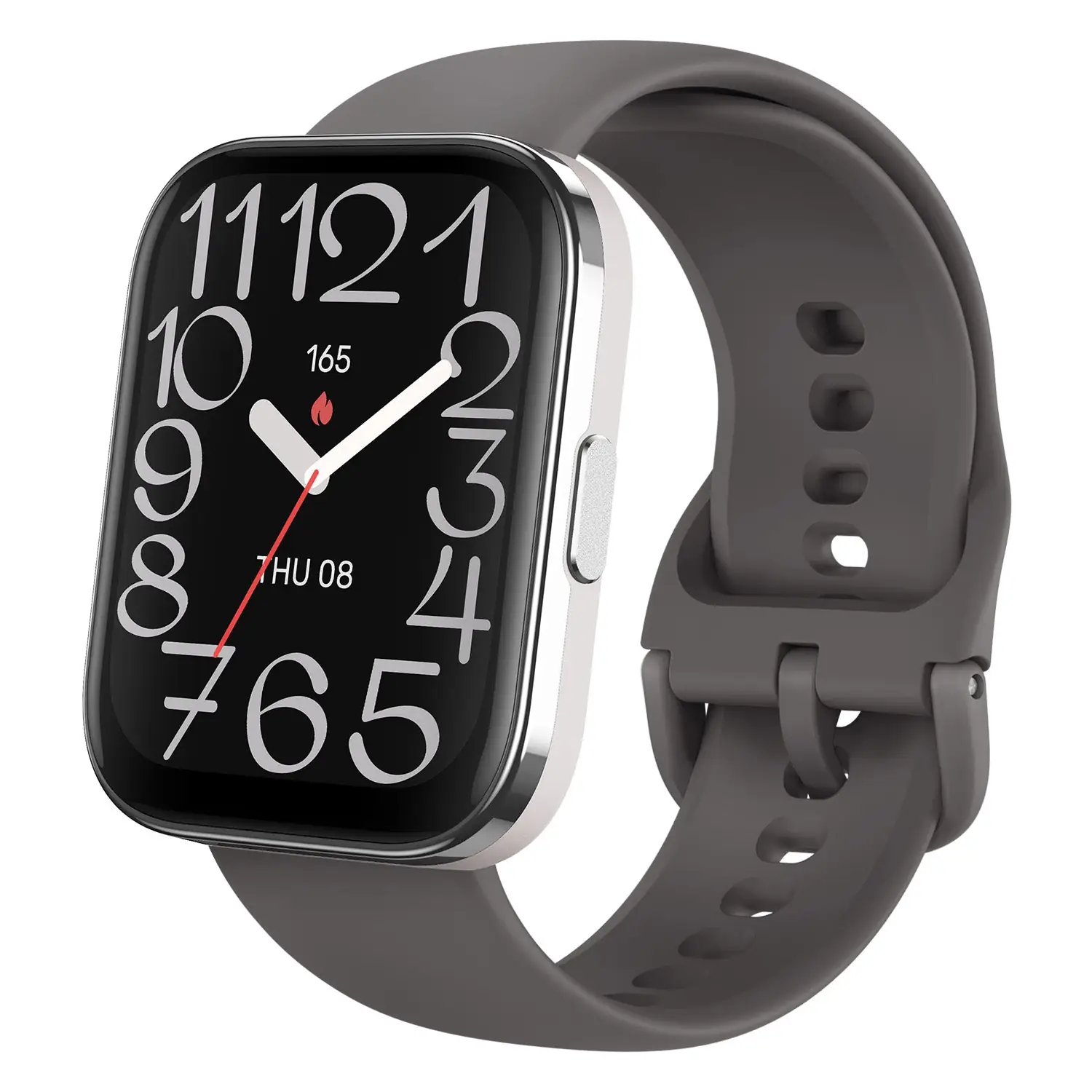
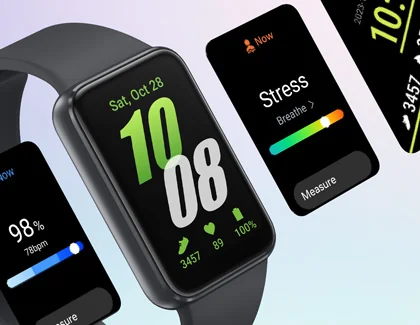
| Samsung Galaxy Fit3 | Display: 1.6 inch AMOLED Battery life: up to 13 days Battery capacity: 208 mAh | No GPS and no iPhone support, and pairing takes three separate apps. | iPhone owners and runners who leave their phone behind. |
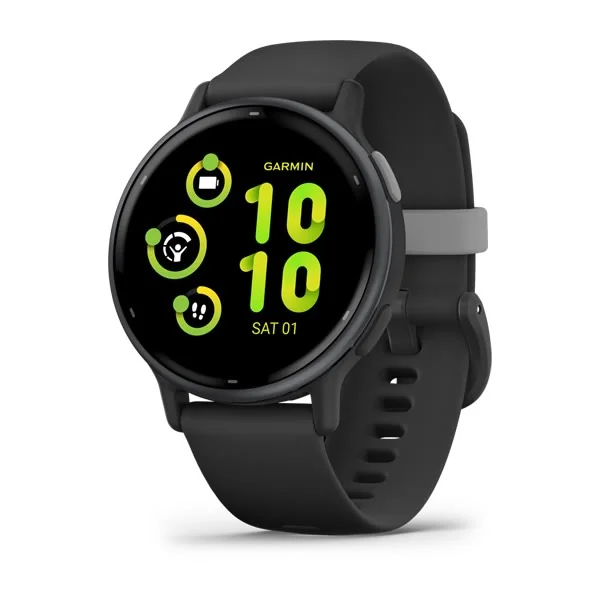
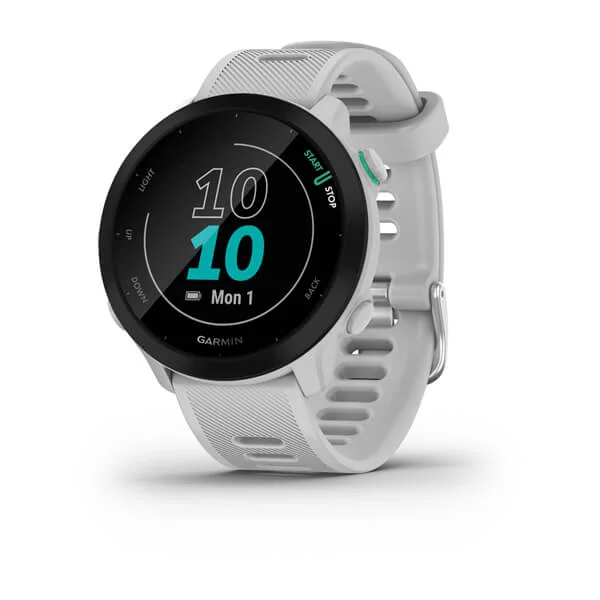
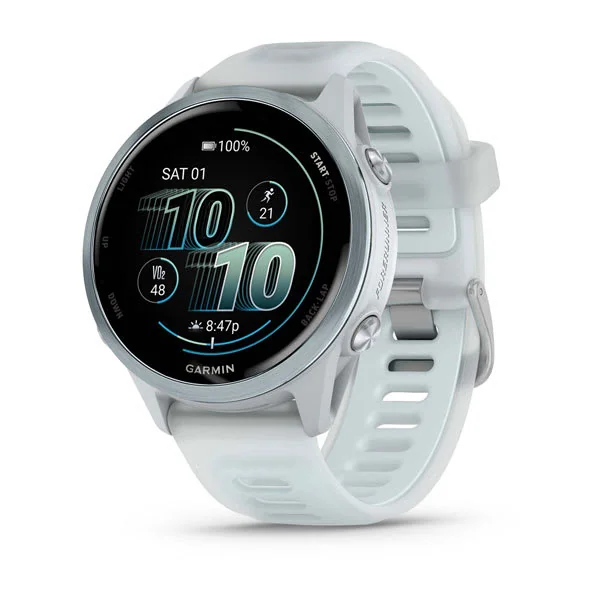
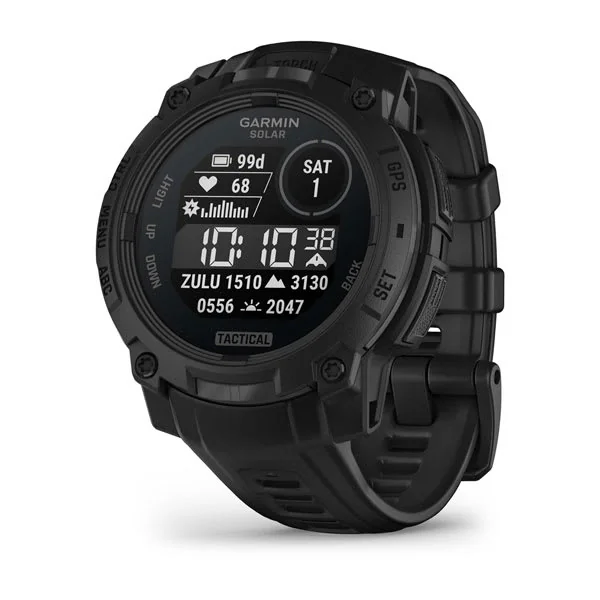
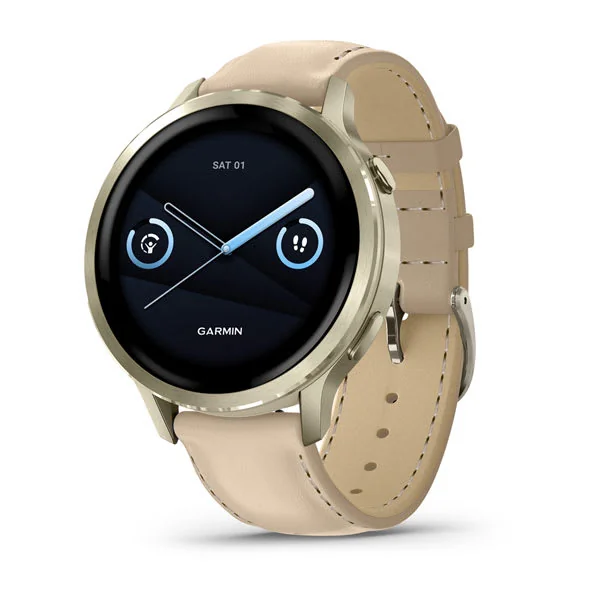
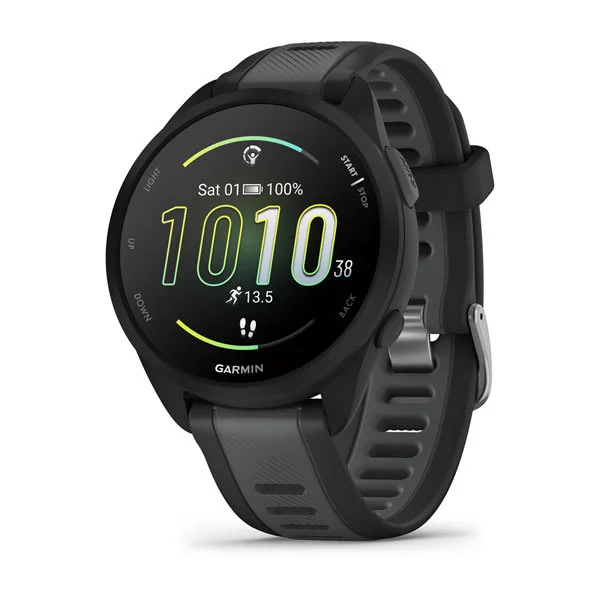
| Garmin Forerunner 165 (Black, 43mm) | 43 x 43 x 11.6 mm 39 g 1.2 in AMOLED display | No multiband GPS, and a January 2026 firmware update broke sensors on some units. | Dense-city runners who need multiband GPS accuracy. |
How we picked these products
We compare product identity, specifications, pros/cons and retailer links. Until approved retailer API access is available, current Amazon price, star-rating and review-count data are not republished here.
Prices at a glance
| Product | Price | Stores |
|---|---|---|
| Google Fitbit Air Screenless Activity Tracker (Obsidian) | Price not listed | 5 stores |
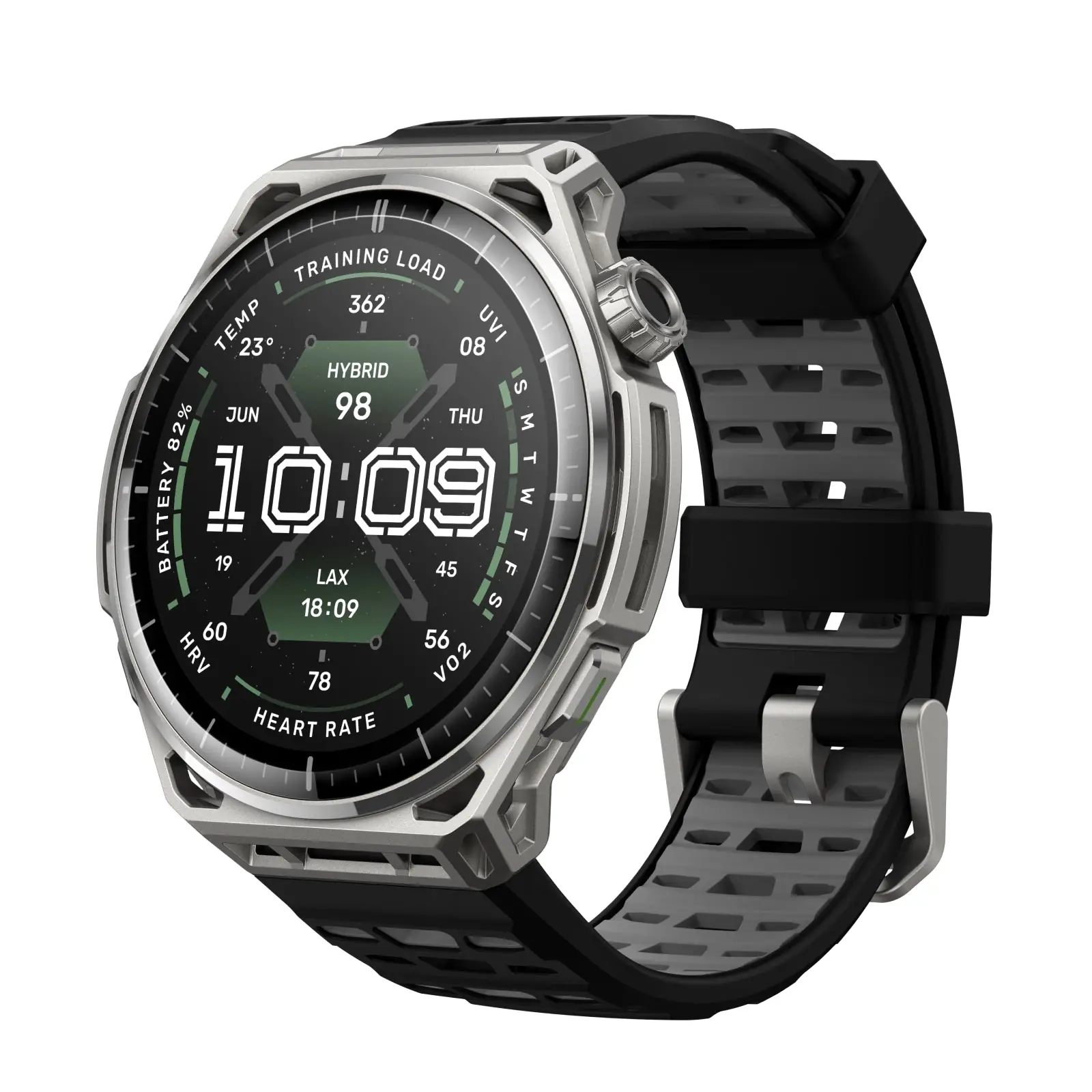
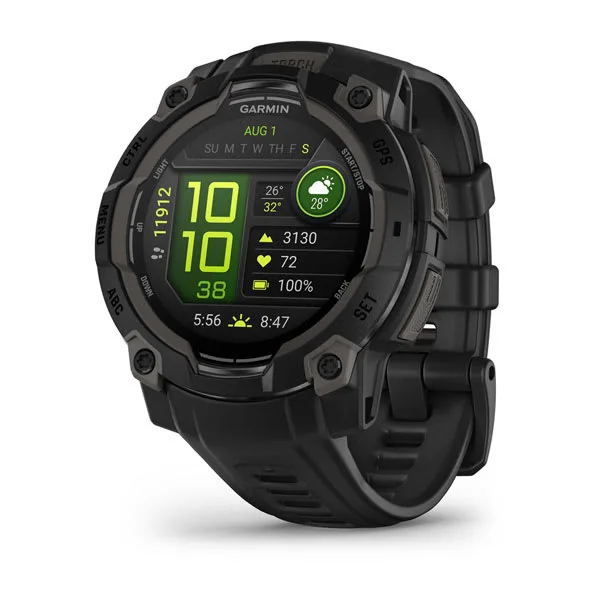
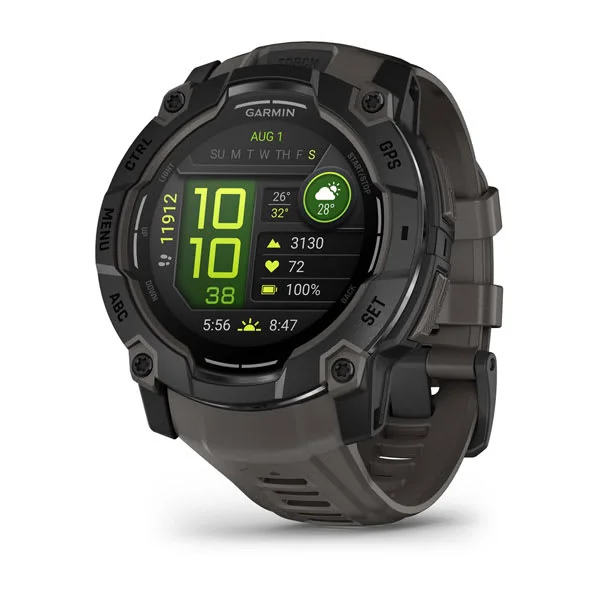
| Garmin Instinct 3 AMOLED (Black, 45mm) | Price not listed | 5 stores |
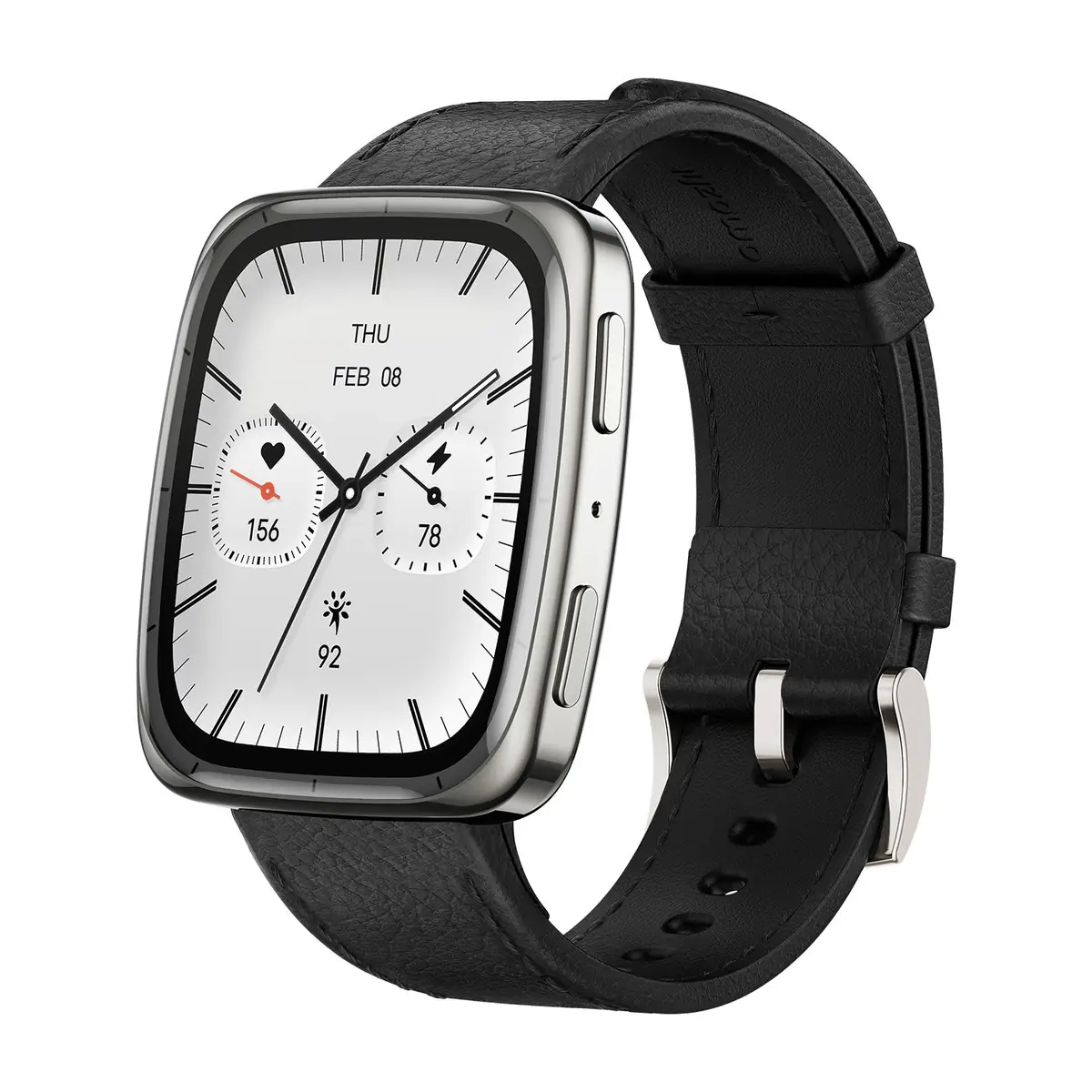
| Amazfit Balance 2 (Black, 47mm) | Price not listed | 7 stores |
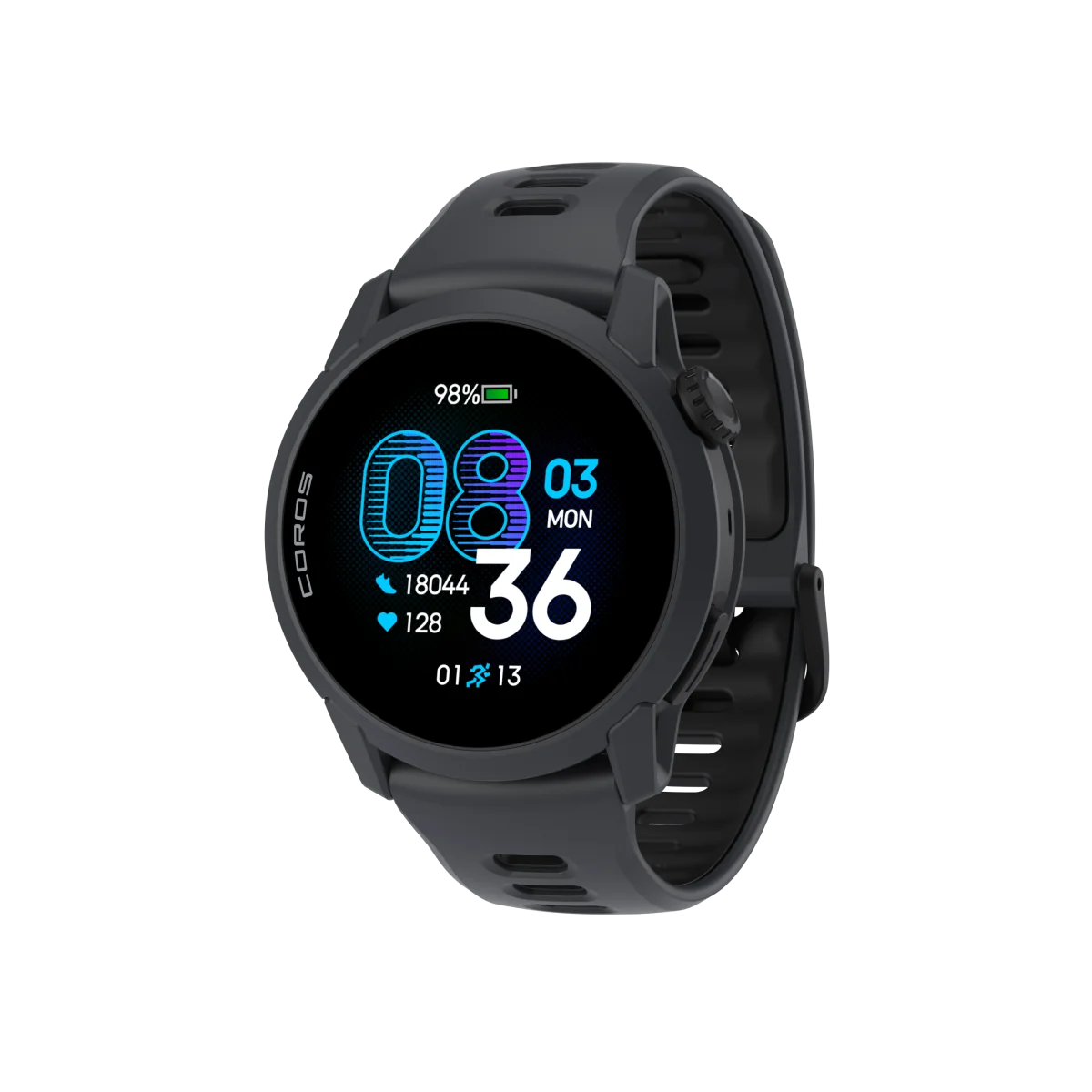
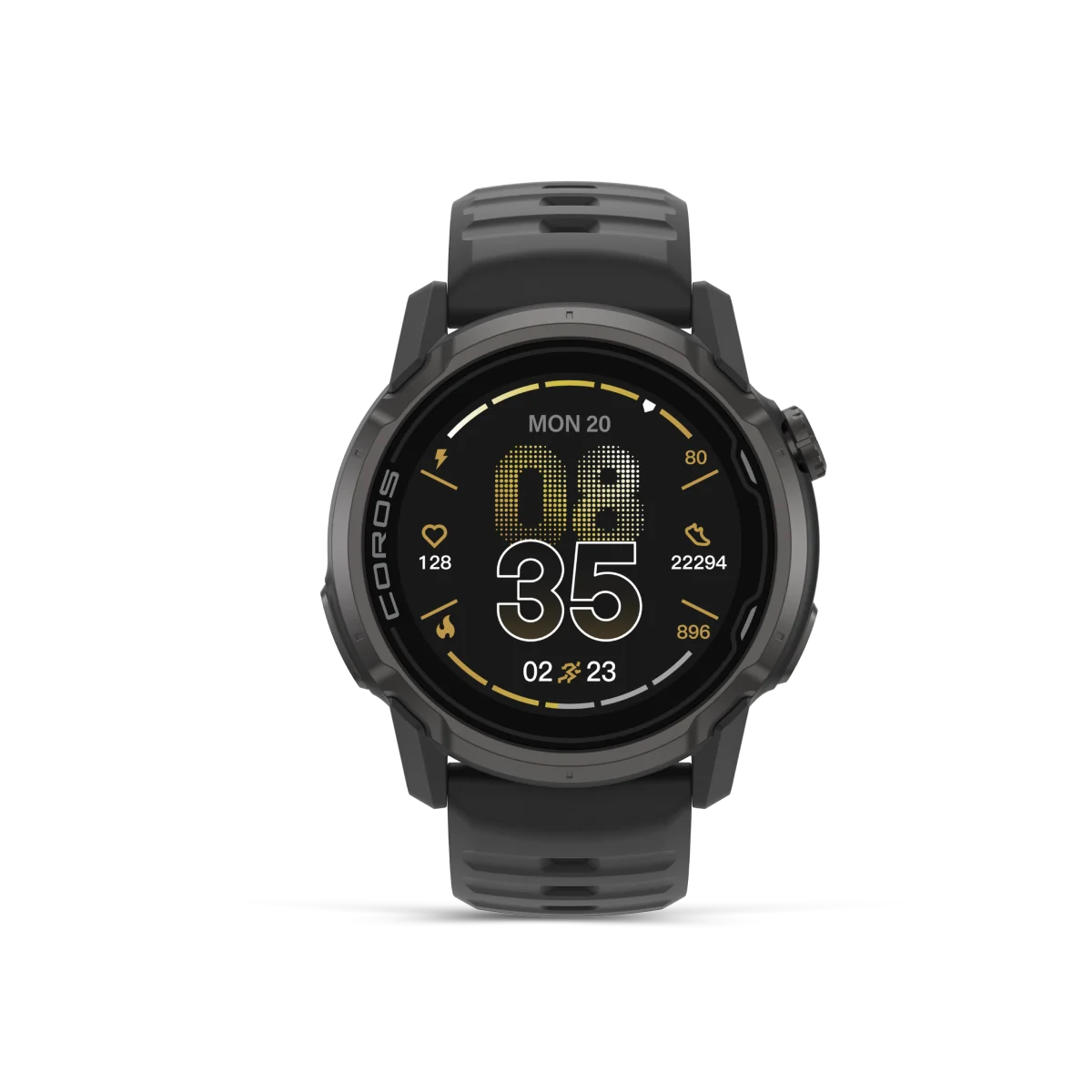
| COROS PACE 4 Ultralight Sport GPS Watch (Black Silicone Band) | Price not listed | 5 stores |
| Samsung Galaxy Fit3 | Price not listed | 4 stores |
| Garmin Forerunner 165 (Black, 43mm) | from $199.99 · eBay | 17 stores |
Prices are snapshots. Check the current price with the store.
Battery life is the widest spread in this group: from a PCMag-measured 7.5 days on the Galaxy Fit3 to 18.6 days on the Balance 2, with the Fitbit Air landing anywhere from 3 to 9 days depending on who you ask. The second split is GPS: four of these six carry their own chip (Instinct 3, Balance 2, PACE 4, Forerunner 165), while the Fitbit Air and Galaxy Fit3 lean on your phone, which costs route accuracy but buys smaller size and longer battery.
Google Fitbit Air
A 12 g screenless pebble with no display, no GPS and a single status LED; live stats, routes and notifications live on your phone. Heart-rate accuracy is its standout: Which? measured 1.34% overall error against a 5.7% fitness-tracker average, and step counting 1.66% off on a hand-counted walk. Battery rated 7 days; owners report 3-9. There is no ECG (the Charge 6 has it), no Reminder to Move, and distance is step-derived with 10.80% error versus 2.98% for GPS watches. Best for sleep, steps and heart rate without a notification firehose.
Garmin Instinct 3 AMOLED (45 mm)
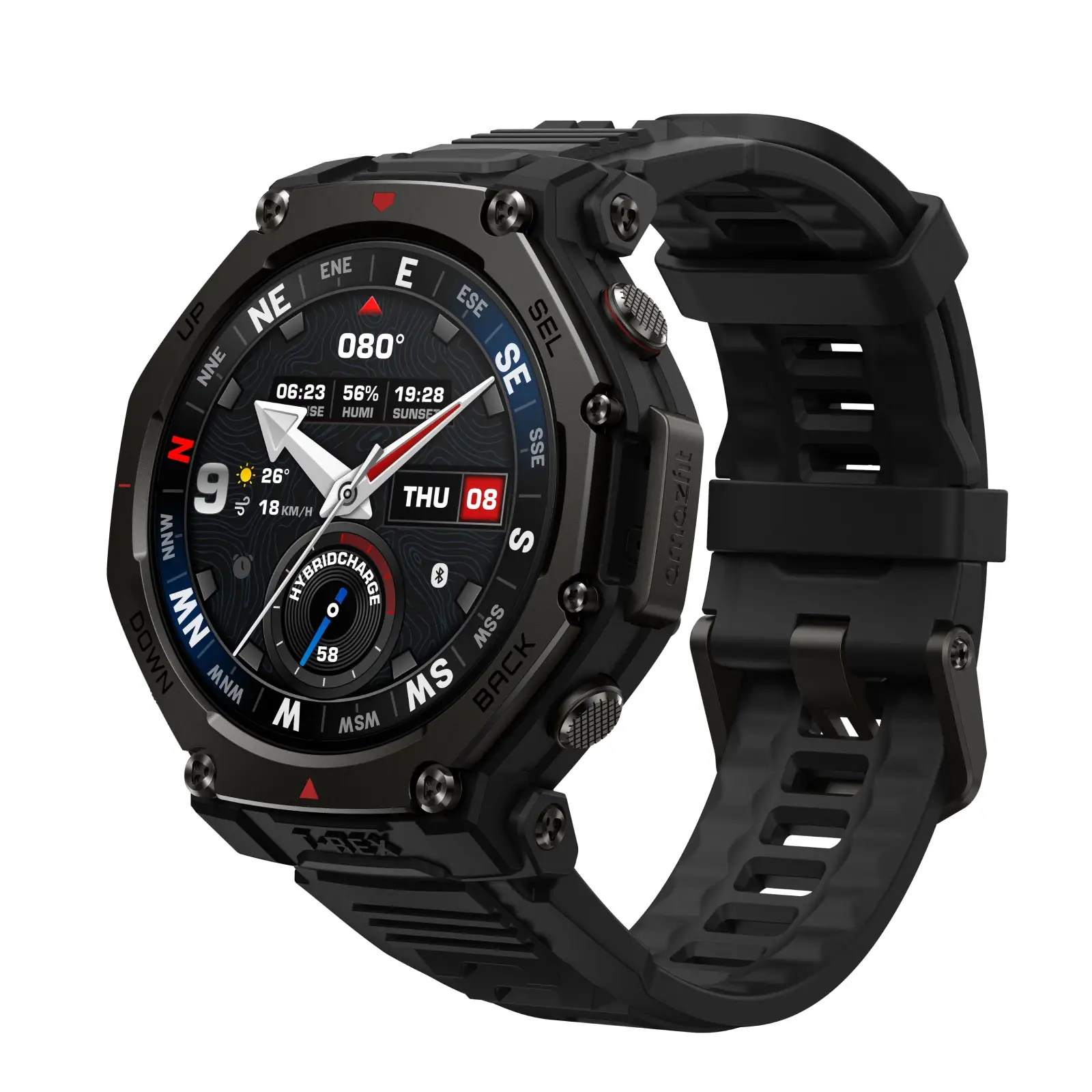
A rugged, button-only GPS watch: 45 x 45 x 14.9 mm, 53 g, 10 ATM water resistance and MIL-STD-810 durability. Multi-band GPS with SatIQ, a bright 1.2-inch AMOLED and a built-in LED flashlight. Battery runs 18 days claimed, 21 days with light use, 9 days mixed, under 7 with always-on display. No touchscreen, no music storage, no offline maps (breadcrumb only) and no phone calls. Best for hikers and trail runners who want weeks of battery and a tough watch.
Amazfit Balance 2
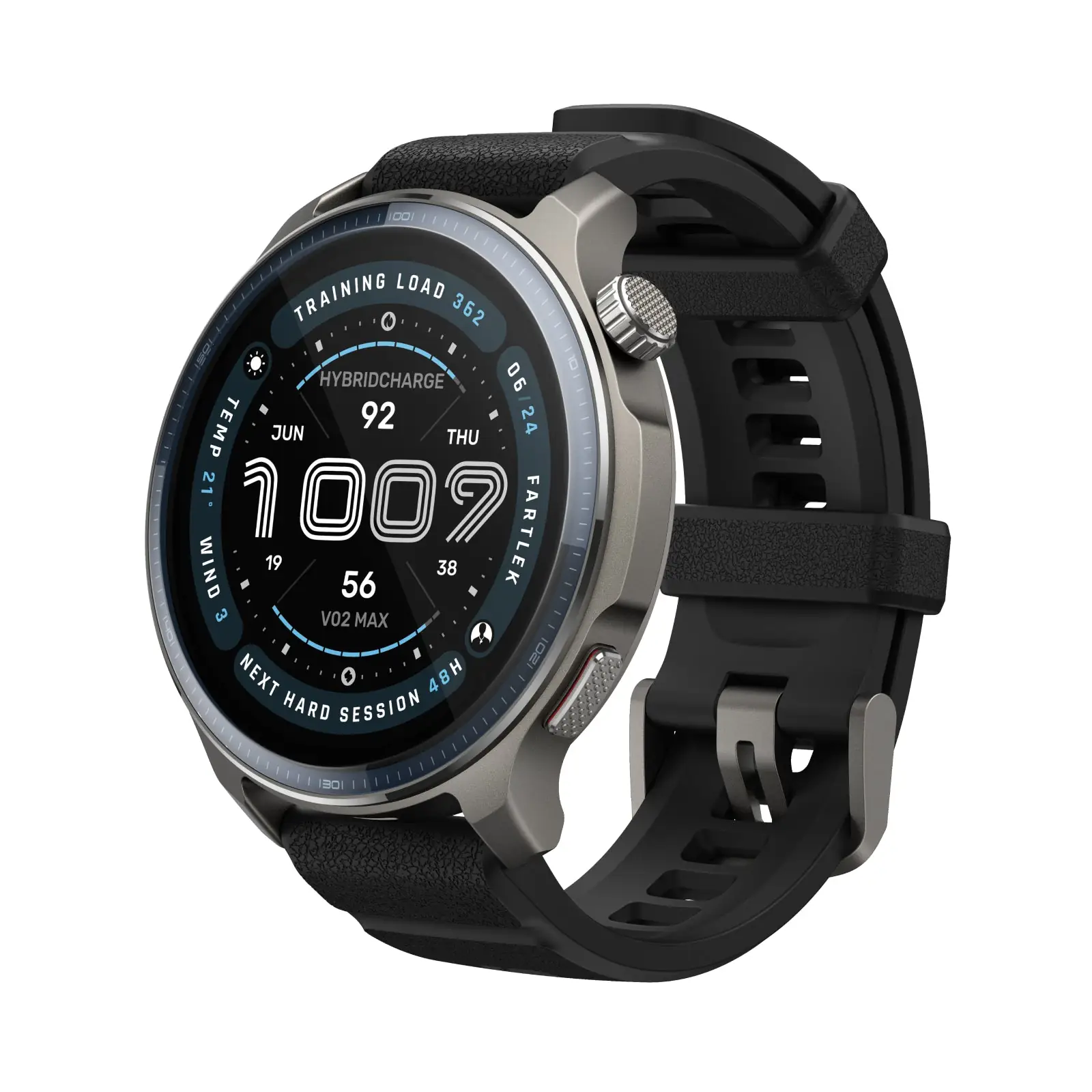
A 47 mm multisport watch with a sapphire 1.5-inch AMOLED, dual-band six-system GPS, 10 ATM water resistance (40 m scuba), a 658 mAh battery rated at 21 days (Consumer Reports measured 18.6), 32 GB storage and NFC. Weaknesses: software bugs (UV Index reading off, calendar events not syncing), about two years of updates, and no music streaming.
COROS PACE 4
No streaming music, no NFC payments and no ANT+.
Samsung Galaxy Fit3
A budget Android band: 1.6-inch AMOLED, 18.5 g, 5 ATM and IP68, no GPS (routes come from your phone), 7.5 days measured battery and heart rate within 3-7 bpm of an Apple Watch Ultra 2 in steady cardio. Android 10 or later only; no iPhone support. Best for Android users who want the health basics cheap.
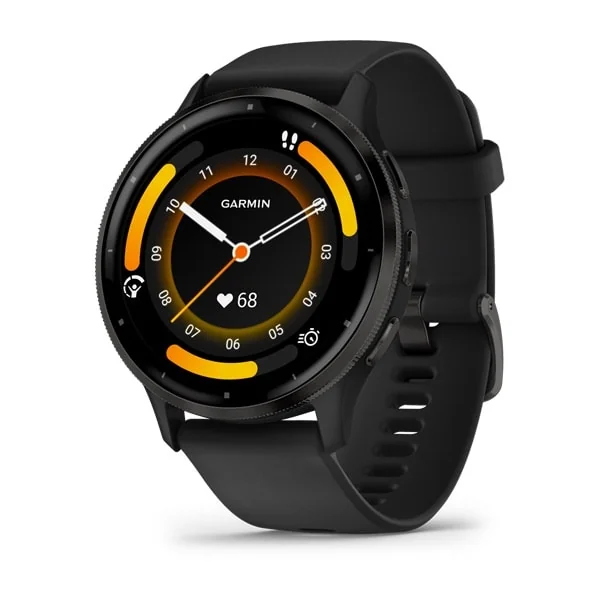
Garmin Forerunner 165
An entry running watch: 43 mm, 39 g, 1.2-inch AMOLED, multi-GNSS (not multiband), Elevate Gen 4 heart rate, running power, Garmin Pay, 11 days rated (6-7 reported by owners), 19 hours GPS. A January 2026 firmware update caused sensor, GPS and battery failures for some owners.
GPS and route tracking
Built-in GPS splits by band: the Balance 2 and PACE 4 are dual-band, the Instinct 3 is multi-band with SatIQ, and the Forerunner 165 is multi-GNSS without multiband. The Fitbit Air and Galaxy Fit3 have no chip at all, so routes come from your phone; the Fitbit Air measured 10.80% distance error against 2.98% for GPS watches, and CNET’s phone-free 5K on the Galaxy Fit3 came out about 0.5 km short. For dense cities and tree cover, dual-band is the safer bet.
Battery life
Always-on display cuts battery on every one of them.
Heart-rate accuracy
The Fitbit Air leads on steady-state numbers: 1.34% overall error against a 5.7% tracker average. The Balance 2 matched a chest strap in Consumer Reports’ lab. The Forerunner 165 stayed within 0.30 BPM on steady runs but lags 5-10 minutes during intervals. The PACE 4’s median was 1.0 BPM off an armband yet it under-reads on cycling and high-intensity work. The Instinct 3 lags a chest strap by 3-6 BPM in hard intervals, and the Galaxy Fit3 stays within 3-7 bpm in steady cardio and 5-10 in intervals. For intervals, a chest strap is still the safer choice.
Software, payments and updates
Garmin Pay works on the Instinct 3 and Forerunner 165, Zepp Pay on the Balance 2 where supported, and the PACE 4 has no NFC at all. The Galaxy Fit3 runs a fixed app set with no third-party apps and needs three separate apps to pair. Update windows differ too: Amazfit commits to about two years, the Balance 2’s original sibling is already end of life, and the Forerunner 165 had a January 2026 firmware release that broke sensors for some owners.
Who should buy which
Prices and specs collected from manufacturer/retailer listings and public reviews; always confirm current price and stock on the linked page before buying.