Comparison · 2026
Best Enclosed 3D Printers 2026: Bambu Lab P1S vs Elegoo
Researched by Dmitrii Pakhomov · Published September 29, 2026
The short answer
Verdict based on specifications, manufacturer documentation and owner reviews. We did not lab-test these products.
| Product | Key specs | Main drawback | Not for |
|---|---|---|---|
| Bambu Lab P1S Combo with AMS 3D Printer | Fully enclosed CoreXY, up to 500 mm/s and 20,000 mm² AMS included: up to 16 colors with automatic filament switching Automatic bed leveling, set up in about 15 minutes | The AMS purges filament on every color change and does not dry it. | Nylon/PETG users - the AMS doesn't dry |
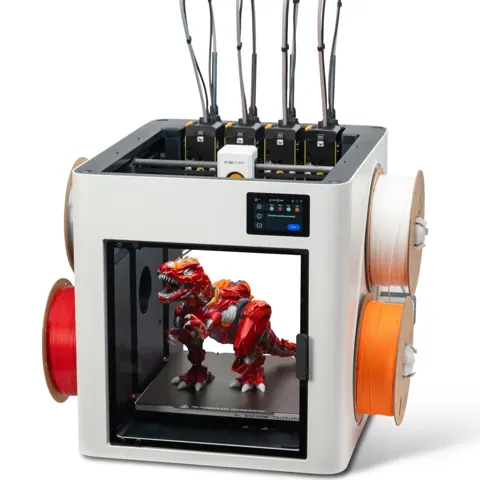
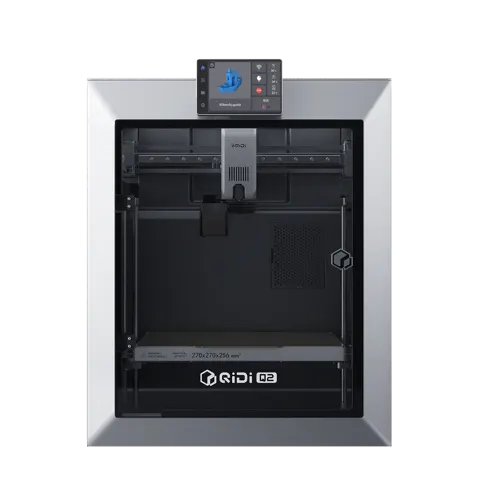
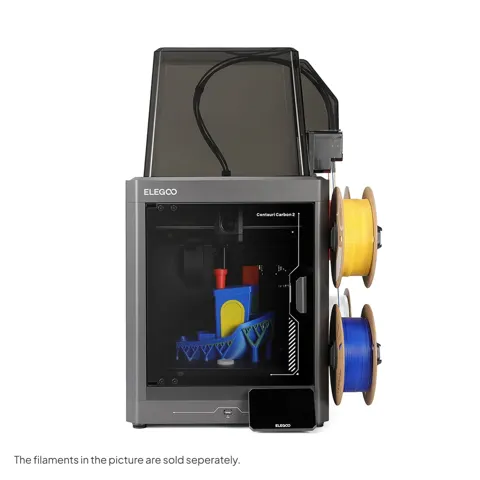
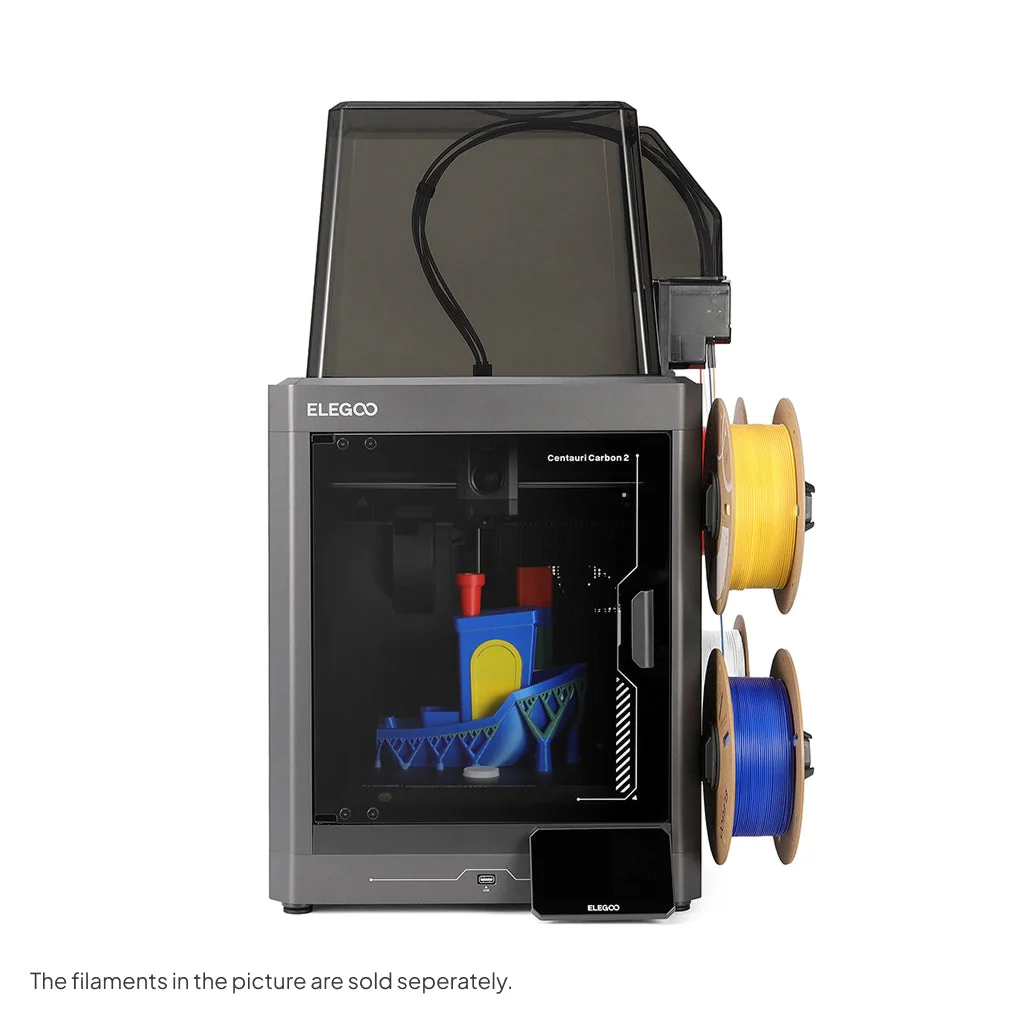
| ELEGOO Centauri Carbon 2 Combo 3D Printer (CANVAS) | Enclosed CoreXY with rigid aluminum frame, up to 500 mm/s and 20,000 mm/s² CANVAS color system: 4-color printing with instant switching and smart filament detection Auto refill and auto feed with filament detection | CANVAS is younger than AMS or CFS, and owners report slot load errors. | Single-material printers - the plain CC2 is simpler |
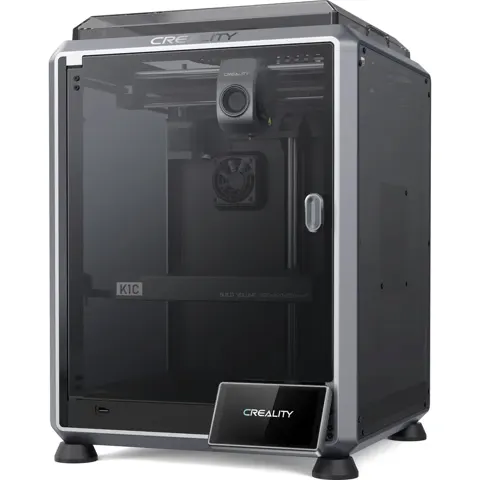
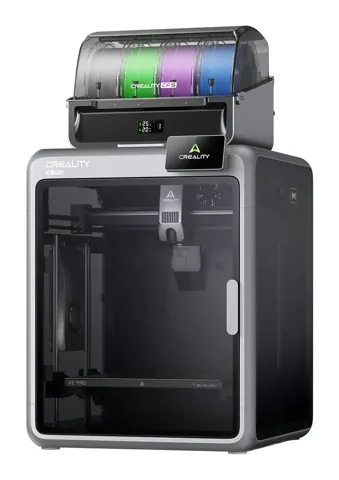
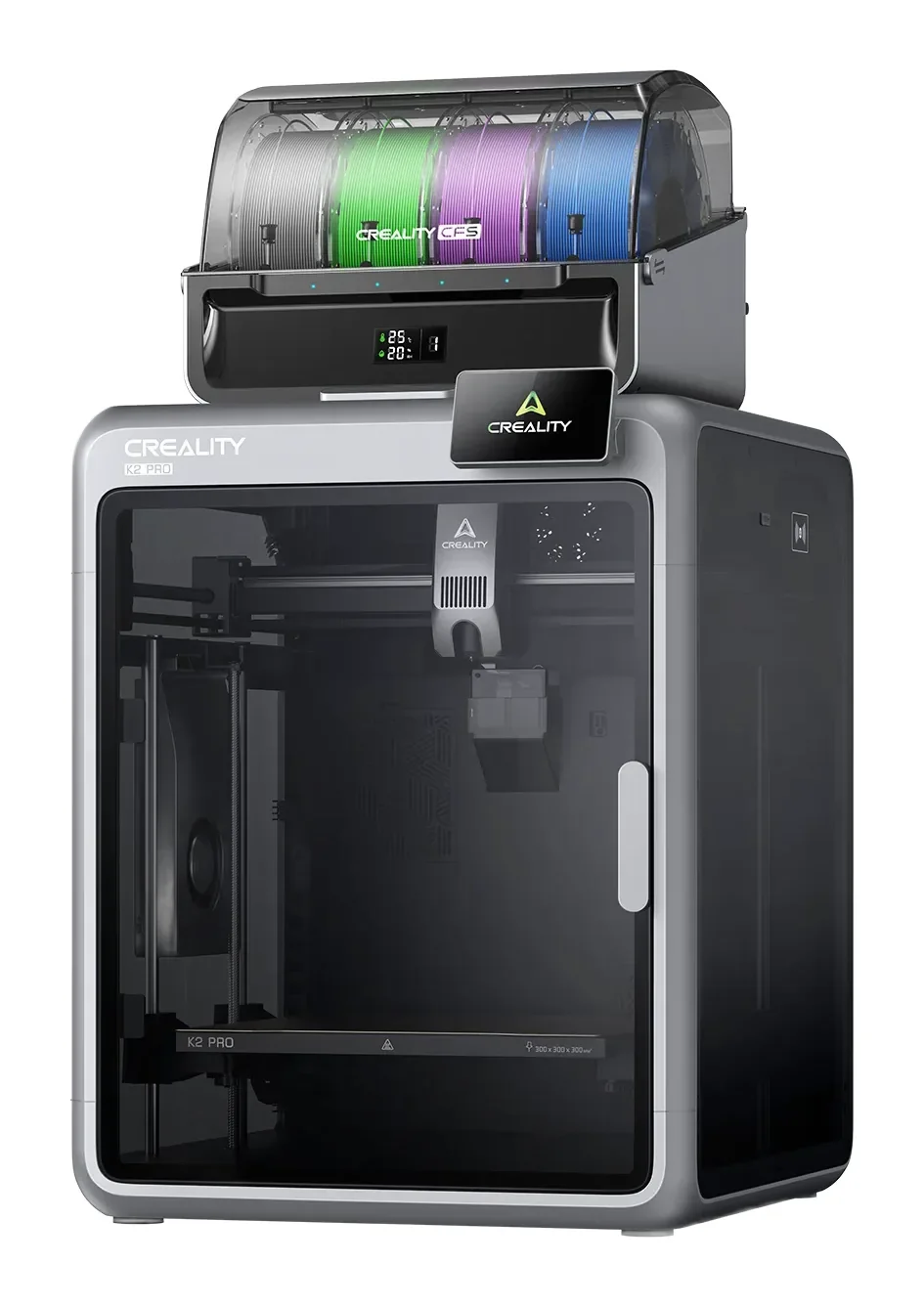
| Creality K2 Pro Combo 3D Printer | Enclosed CoreXY, 300 x 300 x 300 mm build volume Up to 600 mm/s with FOC step-servo motors and linear rails Dual AI cameras: 24 h chamber monitoring plus nozzle camera | Mostly single-color PLA printing |
How we picked these products
We compare product identity, specifications, pros/cons and retailer links. Until approved retailer API access is available, current Amazon price, star-rating and review-count data are not republished here.
Prices at a glance
| Product | Price | Stores |
|---|---|---|
| Bambu Lab P1S Combo with AMS 3D Printer | from $349.00 · MatterHackers | 16 stores |
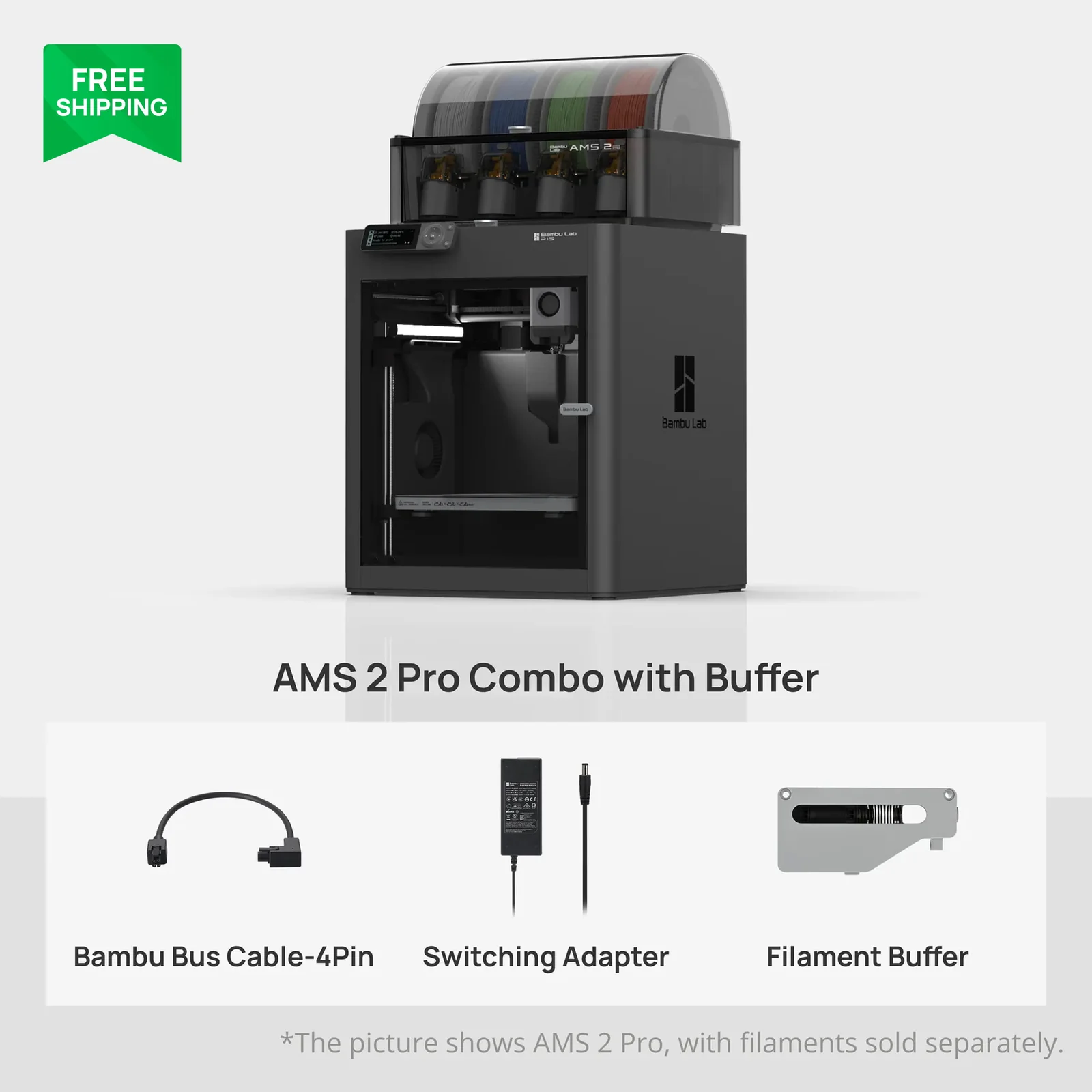
| Bambu Lab P2S Combo 3D Printer (P2S + AMS 2 Pro) | from $649.00 · Dynamism | 10 stores |
| ELEGOO Centauri Carbon 2 Combo 3D Printer (CANVAS) | from $369.00 · ELEGOO official US store | 10 stores |
| Creality K2 Pro Combo 3D Printer | from $549.00 · Vector Designs Arizona | 16 stores |
| Creality K2 Combo 3D Printer (CFS) | from $369.00 · Creality3Dofficial | 8 stores |
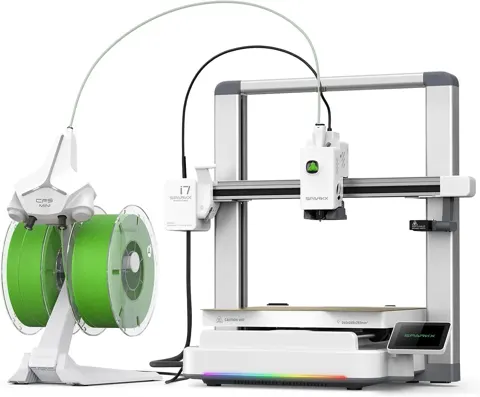
| Creality SPARKX i7 Combo 3D Printer (CFS Lite) | from $279.00 · Creality | 7 stores |
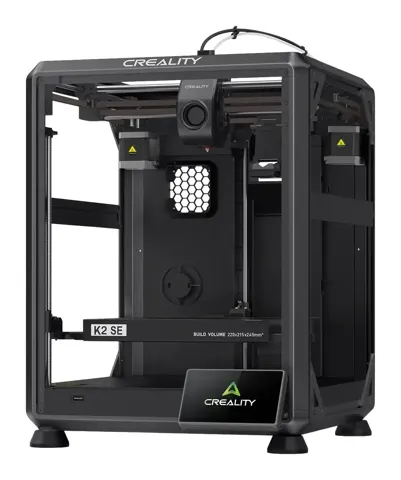
| Creality K2 SE 3D Printer | from $214.44 · 3D Pioneer | 6 stores |
Prices are snapshots. Check the current price with the store.
An enclosure is what makes ABS, ASA and carbon-fiber filaments practical, and all 7 machines here are enclosed CoreXY-class designs.
Bambu Lab P1S Combo (P1S + AMS)
Specs & pros/cons
Key specs:
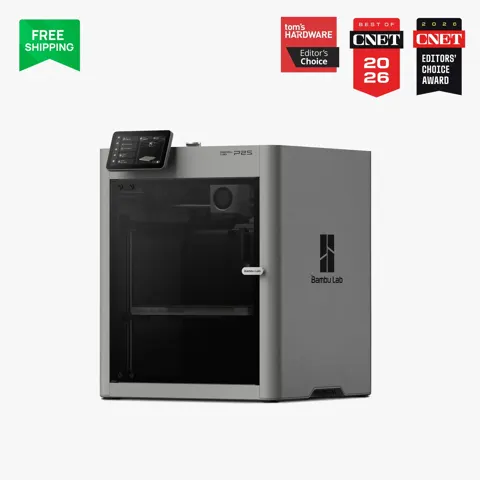
- Fully enclosed CoreXY, up to 500 mm/s and 20,000 mm²
- AMS included: up to 16 colors with automatic filament switching
- Automatic bed leveling, set up in about 15 minutes
- Handles PLA, PETG, TPU, PVA, PET, ABS, ASA; PA/PC capable
Pros:
- Enclosed chamber unlocks ABS/ASA, and the listing even claims PA/PC capability
- Bambu's 15-minute setup claim holds – it is genuinely a same-evening print
Cons:
- AMS purges filament on every color change – multicolor prints cost extra material
- No chamber camera or AI failure detection – those arrived with the P2S/X1 line
Check current price (paid link)
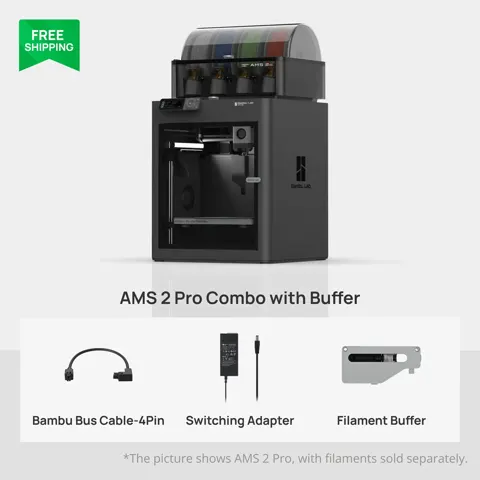
Bambu Lab P2S Combo (P2S + AMS 2 Pro)
Specs & pros/cons
Key specs:
- Enclosed CoreXY, up to 600 mm/s with PMSM servo extruder and active flowrate compensation
- AMS 2 Pro with built-in filament drying up to 65 °C
- Adaptive airflow system balances cooling vs heat retention per filament
- AI failure detection and quick-swap nozzles
Pros:
- Bambu's current premium enclosed machine – the successor to the P1S, faster and smarter
- AMS 2 Pro dries filament while printing: wet-nylon problems largely disappear
- Adaptive airflow solves the classic enclosed-printer dilemma of cooling vs chamber heat
Cons:
- Bambu's ecosystem is closed – you accept their slicer, their profiles, their parts
Check current price (paid link)
ELEGOO Centauri Carbon 2 Combo (CANVAS)
Specs & pros/cons
Key specs:
- Enclosed CoreXY with rigid aluminum frame, up to 500 mm/s and 20,000 mm/s²
- CANVAS color system: 4-color printing with instant switching and smart filament detection
- Auto refill and auto feed with filament detection
- Fully automated calibration and print monitoring; engineering-grade materials supported
Pros:
- CANVAS switches color instantly instead of purging long tails
Cons:
- CANVAS ecosystem is younger than Bambu's AMS or Creality's CFS – fewer profiles and accessories
- ELEGOO's slicer ecosystem, while improving fast, is still third in maturity
Check current price (paid link)
Creality K2 Pro Combo (CFS)
Specs & pros/cons
Key specs:
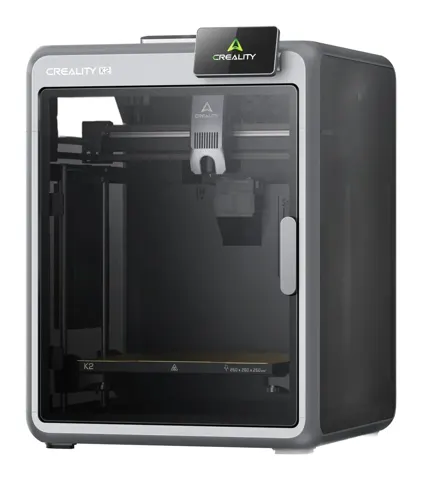
- Enclosed CoreXY, 300 x 300 x 300 mm build volume
- Up to 600 mm/s with FOC step-servo motors and linear rails
- Dual AI cameras: 24 h chamber monitoring plus nozzle camera
- CFS multicolor system included
Pros:
- The biggest build volume in this comparison – a full 300 mm cube
- Dual AI cameras actually catch failures and film time-lapses from two angles
- Step-servo drive is quiet and precise
Cons:
- CFS color changes still mean purge waste, like all buffer-style systems
Check current price (paid link)
Creality K2 Combo (CFS)
Specs & pros/cons
Key specs:
- Enclosed CoreXY, up to 600 mm/s
- Step-servo motors on extruder and X/Y axes, silent mode
- Smart auto leveling probes only the target print area
- CFS multicolor system included; AI camera monitoring
Pros:
- Silent mode makes it one of the quieter enclosed machines
- Pre-assembled plug-and-play: unpack, install the screen, print
Cons:
- Smaller build volume than the K2 Pro
- CFS purge waste applies here too
Check current price (paid link)
Creality SPARKX i7 Combo (CFS Lite)
Specs & pros/cons
Key specs:
- Enclosed high-speed printer, fully pre-assembled
- CFS Lite multicolor system included
- Claimed unbox-to-first-print in about 5 minutes
Pros:
- Five-minute start claim – Creality's most beginner-focused enclosed yet
Cons:
- CFS Lite is a simplified feeder – fewer features than the full CFS
- A very new model: long-term reliability data does not exist yet
Check current price (paid link)
Creality K2 SE
Specs & pros/cons
Key specs:
- Enclosed machine from the K2 family, up to 500 mm/s
- Supports multicolor printing via the CFS ecosystem
Pros:
Cons:
- The streamlined K2: expect fewer extras (simpler leveling package, no combo color box included)
- Multicolor requires buying the CFS separately
Check current price (paid link)
The color systems, compared
Every machine here except the K2 SE ships with – or connects to – a multicolor system, so the real segmentation in 2026 is not the brand, it is the color architecture:
- Buffer systems (Bambu AMS / AMS 2 Pro, Creality CFS / CFS Lite): four spools feed a shared buffer; every color change purges the previous filament out of the nozzle. Mature, proven, and wasteful – a four-color print can consume 20-30% extra material. Bambu’s AMS 2 Pro adds drying; Creality’s CFS Lite is the stripped-down version.
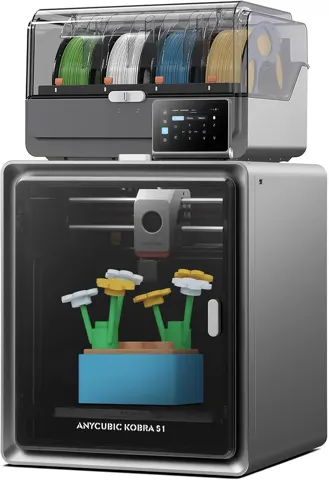
- Instant-switch systems (ELEGOO CANVAS, Anycubic’s native head): the color lives closer to the nozzle and switches with minimal purge. Less waste, younger ecosystems – fewer community profiles and accessories, a gap that narrows every month.
- Not included: the K2 SE and our budget comparison machines, where color is an optional later purchase or a native feature – not part of the box.
The honest advice: buy the color system whose ecosystem you want to live in as much as its mechanics. Profiles, spare parts, and community arrangements weigh more over a machine’s life than the purge volume of a single swap.
Prices and specs collected from manufacturer/retailer listings and public reviews; always confirm current price and stock on the linked page before buying.
See also: Enclosed 3D Printers under $500 (2026) · Enclosed 3D Printers under $1000 (2026)