Desktop Computers: A Side-by-Side Look
Published October 7, 2026
These 5 desktops run from a palm-size mini PC to a full gaming tower. Pick by what you will run: a mini PC handles office work and streaming in a box the size of a router, while gaming needs a dedicated graphics card and the power and cooling that come with it. Upgrades differ too: towers take new parts, most mini PCs and Macs do not.
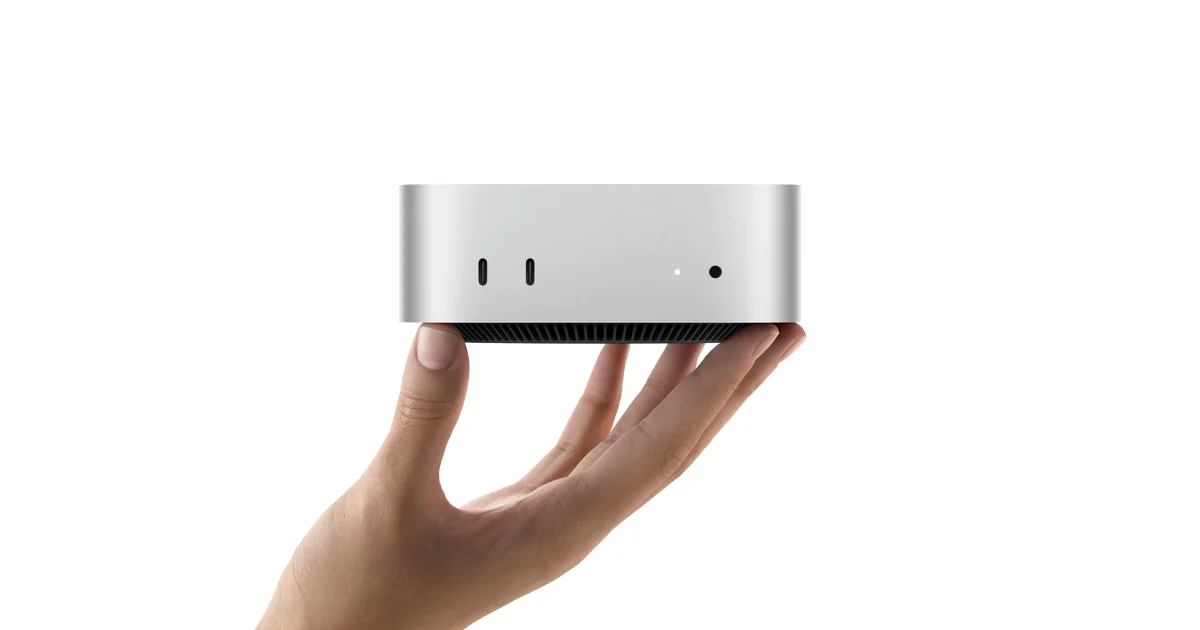
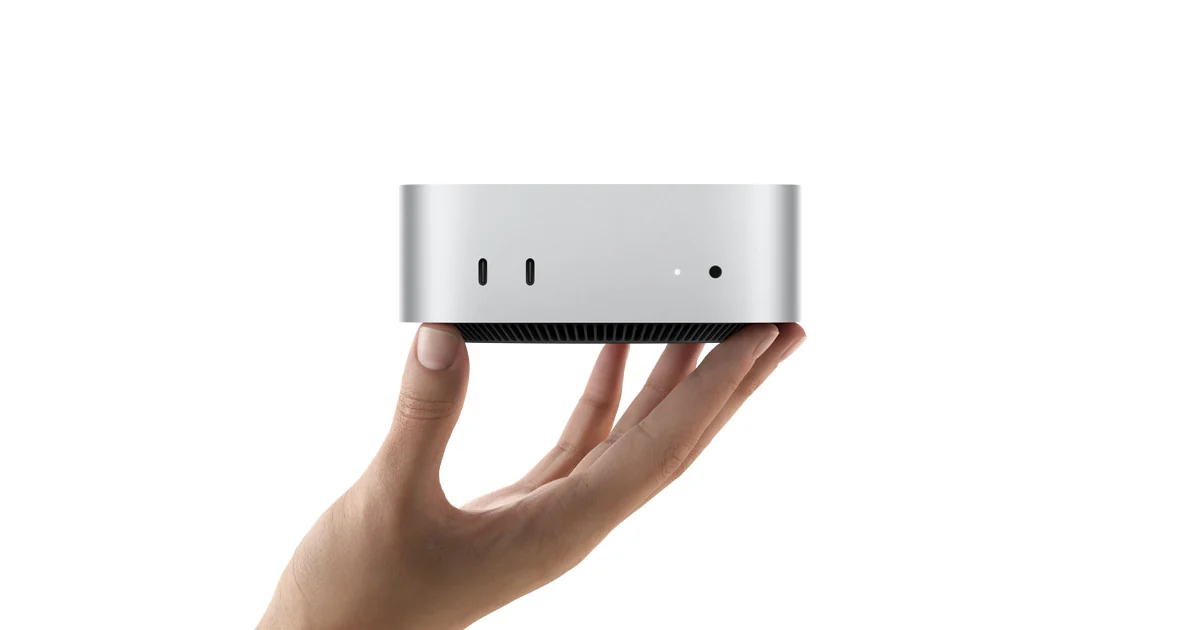
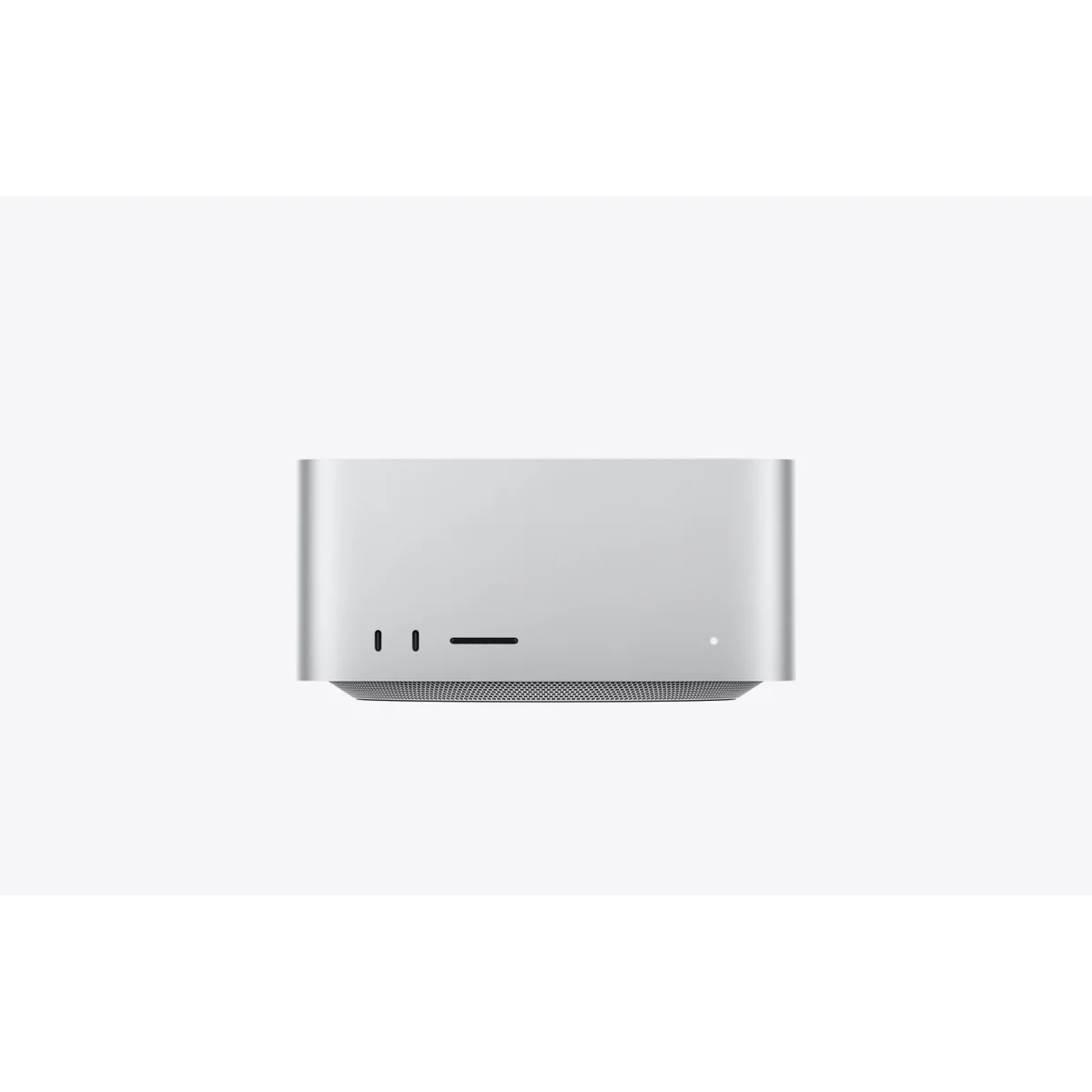
Apple Mac mini (M6, 2026)
Approx. price: $899.0
Price may be a bit stale – confirm the current price via the link below before buying.
Specs & pros/cons
Key specs:
- Apple M6 chip: 12-core CPU (2 super, 4 performance, 6 efficiency cores), 12-core GPU
- 16GB unified memory, 153GB/s memory bandwidth
- 256GB SSD storage
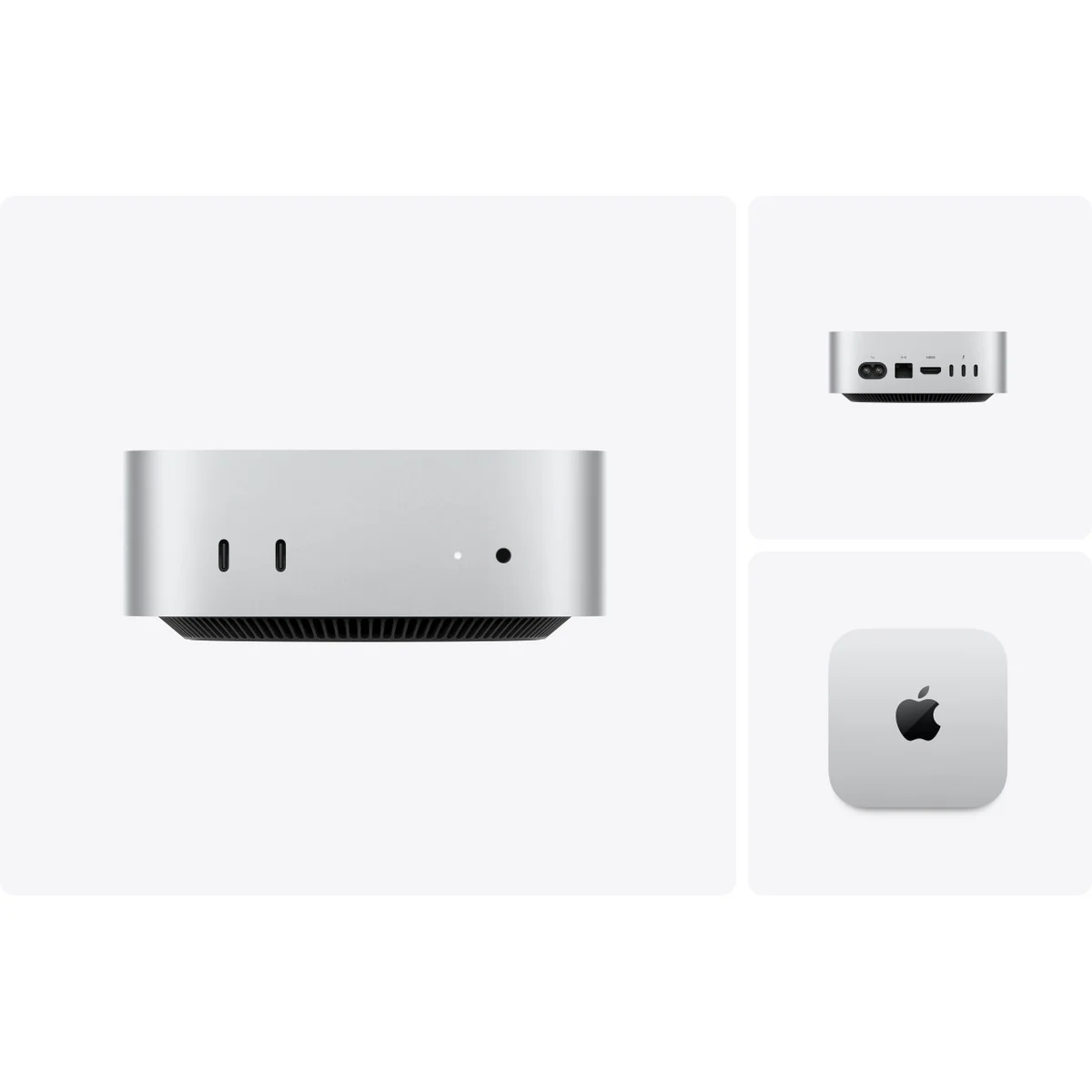
- 5.0 x 5.0 x 2.0 in (12.7 x 12.7 x 5.0 cm), 1.5 lb (0.67 kg); 2.5Gb Ethernet, Wi-Fi 7, Bluetooth 6
Pros:
- M6 is a big step up over M4: Ars Technica measured roughly 20-30% faster single-core, 50-80% faster multi-core and graphics, and up to 4x faster AI
- Runs cool and quiet (about 5 dBA at idle) even under sustained load thanks to active bottom-fan cooling
- Compact 5x5-inch chassis with Wi-Fi 7, Bluetooth 6, 2.5Gb Ethernet and front-facing USB-C ports
Cons:
- Base price rose to $899, a $300 increase over the 2024 M4's original $599 entry (Ars Technica)
- No upgradability: RAM and SSD are soldered, and the 256GB base storage is small for games or local AI models
- The 16GB config has only 153GB/s bandwidth and Thunderbolt 4 (not Thunderbolt 5), so it cannot be daisy-chained for compute clusters
Check current price (paid link)
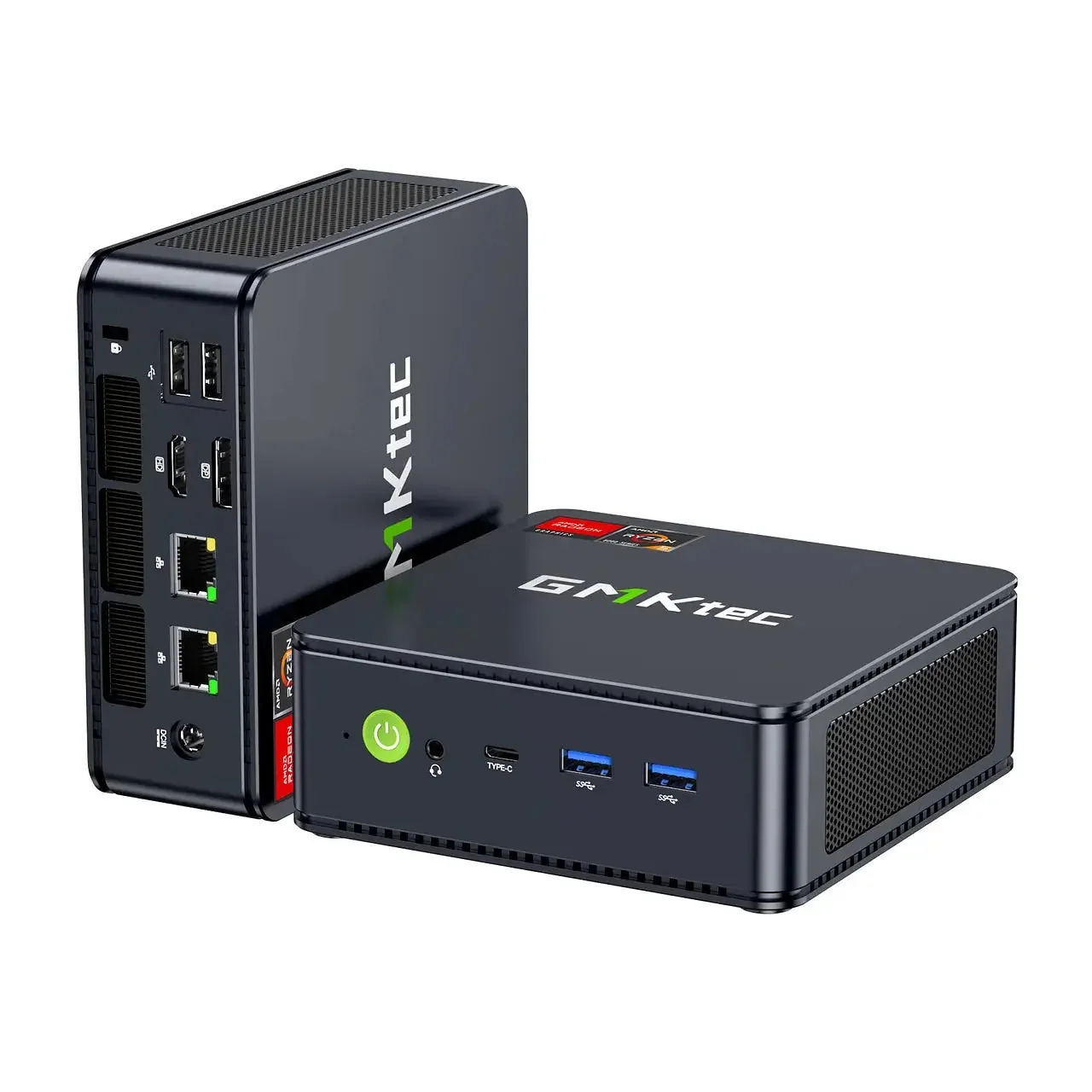
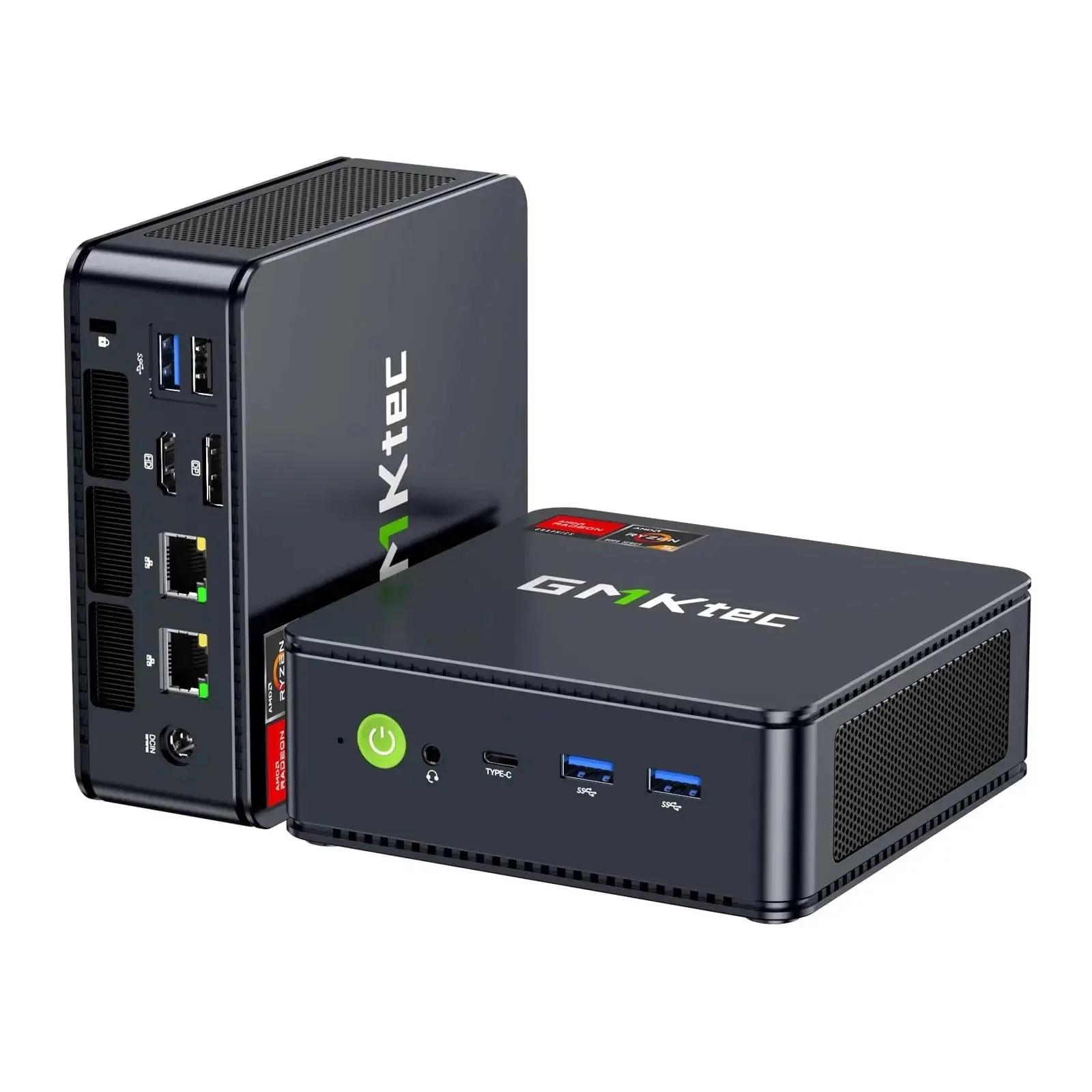
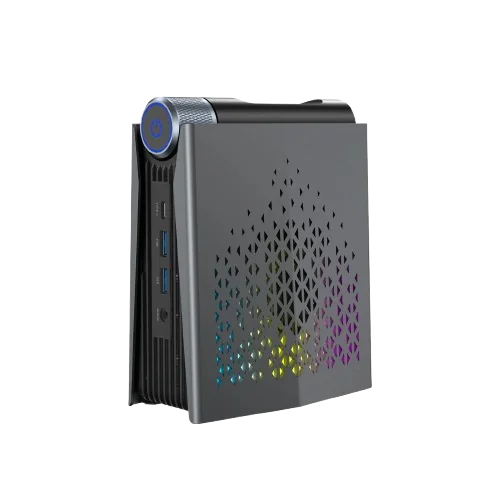
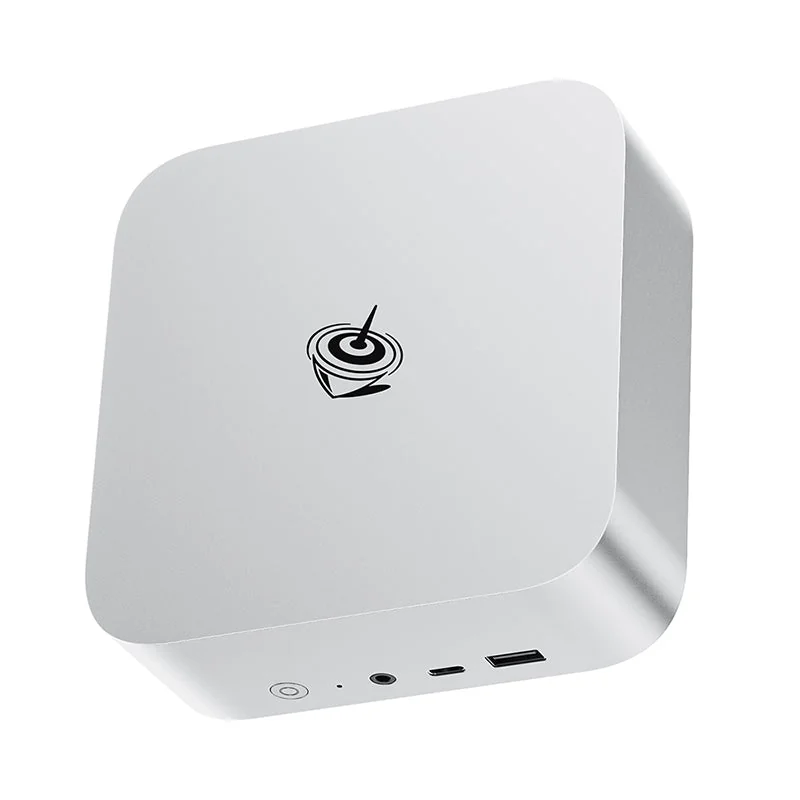
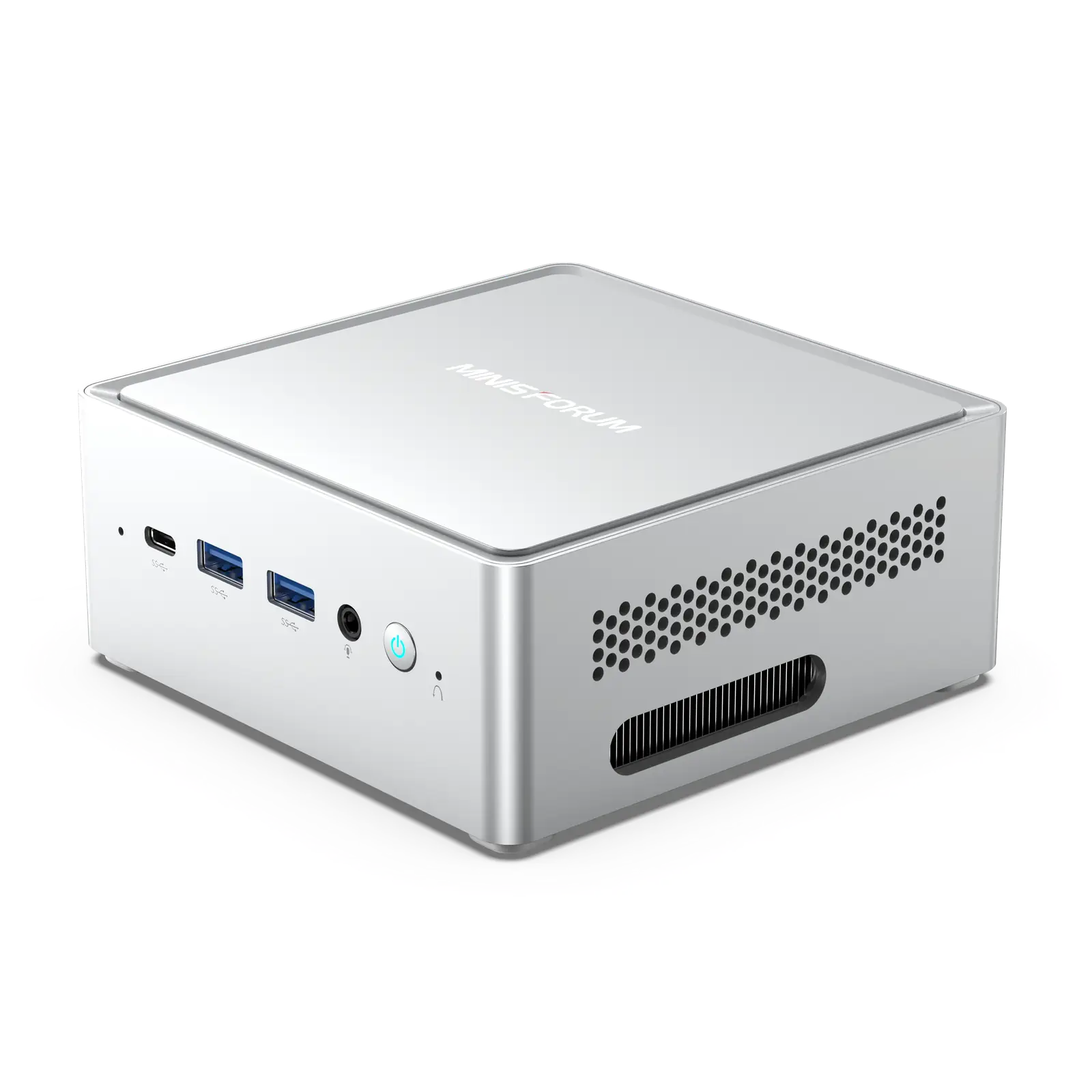
Beelink SER8 Mini PC (Ryzen 7 8745HS, 32GB/1TB)
Approx. price: $859.0
Price may be a bit stale – confirm the current price via the link below before buying.
Specs & pros/cons
Key specs:
- AMD Ryzen 7 8745HS, 8 cores/16 threads, up to 4.9GHz, 16MB L3 cache, 65W TDP
- AMD Radeon 780M iGPU, 12 cores at 2600MHz
- 32GB (2x16GB) DDR5-5600 dual-channel RAM, expandable to 256GB
- 1TB PCIe 4.0 NVMe SSD; dual M.2 2280 slots up to 8TB; 2.5GbE LAN, Wi-Fi 6, Bluetooth 5.2
Pros:
- Near-silent under load (about 32 dBA) from its vapor-chamber/MSC2.0 cooling in a metal chassis (TechRadar, PC Perspective)
- Strong 8-core CPU and Radeon 780M handle office, creative work and light 1080p gaming; upgradeable DDR5 and a second M.2 slot
- USB4, HDMI 2.1 and DisplayPort 1.4 drive three 4K displays; 2.5GbE and strong out-of-the-box Linux support
Cons:
- Wi-Fi is weak and can drop, likely because the Intel AX200 card sits inside a metal case (TechRadar, owner reports)
- No VESA mount and no security slot; awkward teardown (eight screws, rubber plugs, dust filter) to reach RAM/SSD
- Priced at the high end for its class and built on the older Zen 4 8000-series platform, now superseded by Ryzen 9000
Check current price (paid link)
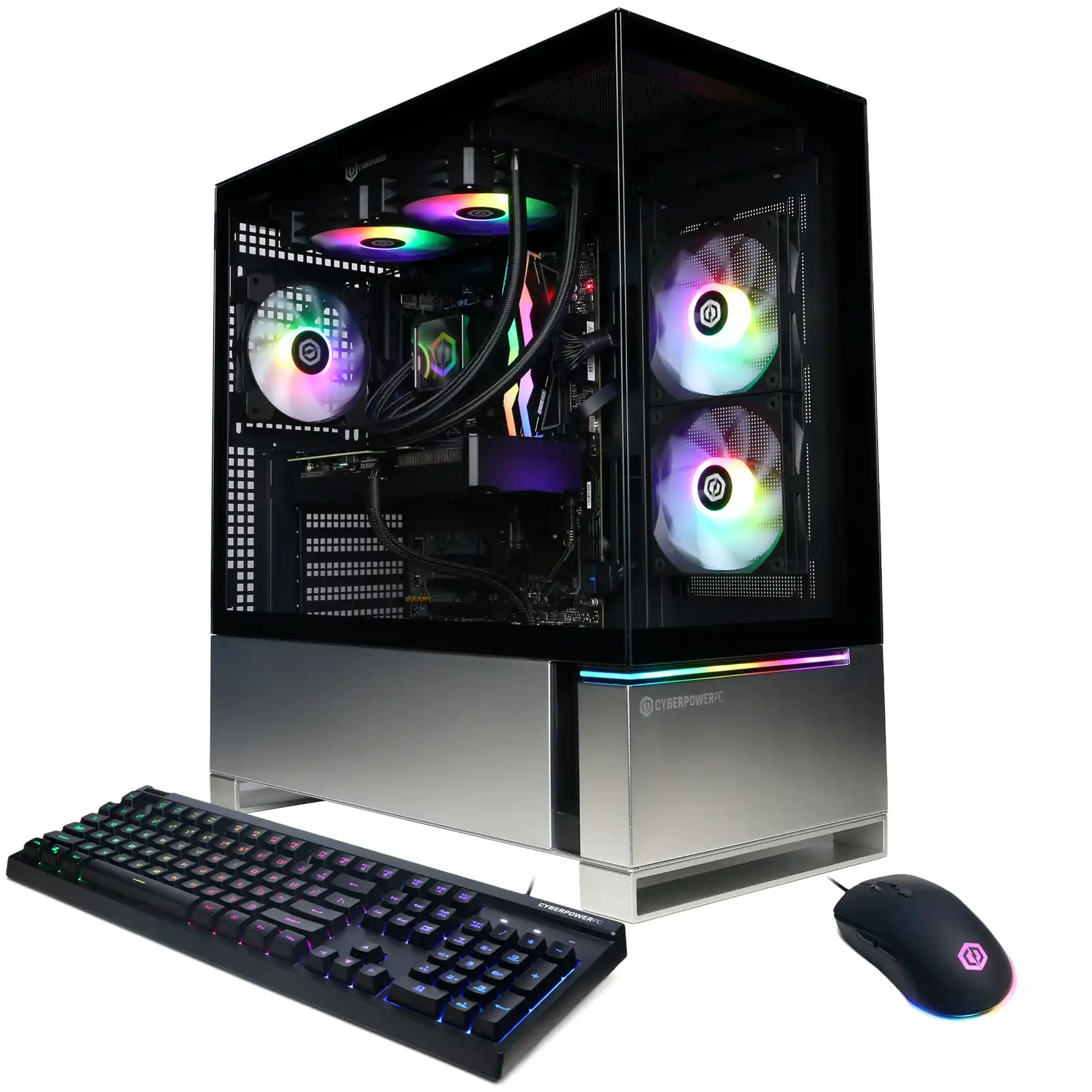
Skytech Azure 3 Gaming PC (Ryzen 7 9800X3D, Radeon RX 9070 XT 16GB)
Approx. price: $2,499.99
Price may be a bit stale – confirm the current price via the link below before buying.
Specs & pros/cons
Key specs:
- AMD Ryzen 7 9800X3D, 8 cores/16 threads, 4.7GHz base
- AMD Radeon RX 9070 XT, 16GB VRAM
- 32GB DDR5 5600MHz non-RGB RAM; 1TB NVMe Gen4 SSD
- 850W 80 Plus Gold ATX 3.0 PSU; 360mm AIO and 6 fans; Windows 11 Home
Pros:
- Strong 1440p/4K gaming core: 9800X3D plus RX 9070 XT; PC Gamer praised Skytech's GPU performance and low GPU temps (67C in its testing)
- Clean cable management and careful anti-transit packing; free shipping on US orders (PC Gamer, Tom's Hardware)
- Good cooling with a 360mm AIO and six fans, and lifetime technical support on top of the warranty
Cons:
- Skytech cuts corners on supporting parts on cheaper configs: slow budget NVMe SSDs and off-brand RAM (PC Gamer)
- Only a 1-year parts/labor warranty, and returns can carry a 10-15% restocking fee (Skytech policy)
- Wi-Fi 5 only on this config and no bundled peripherals; price sits near the top of the 9070 XT prebuilt range
Check current price (paid link)
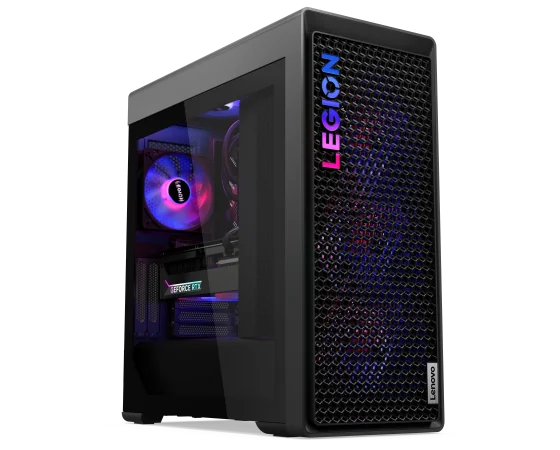
Lenovo Legion Tower 7i Gen 10 (90Y6001JUS)
Approx. price: $3,239.99
Price may be a bit stale – confirm the current price via the link below before buying.
Specs & pros/cons
Key specs:
- Intel Core Ultra 7 265K processor (P-cores up to 5.40 GHz, E-cores up to 4.60 GHz)
- NVIDIA GeForce RTX 5080 16GB GDDR7
- 32GB DDR5-5600MT/s (2 x 16GB UDIMM); 2TB SSD M.2 2280 PCIe Gen4 TLC (2 x 1TB)
- 850W PSU; 250W 360mm liquid cooling + ARGB fans; Wi-Fi 6E 2x2 + Bluetooth 5.3
Pros:
- Excellent thermals and quiet operation under load thanks to the 360mm liquid cooler (Windows Central)
- Tool-less chassis with easy upgrades: up to 192GB DDR5 and 16TB total SSD capacity (Lenovo)
- Strong 4K gaming performance; Windows Central called it a monster that maxes out modern titles
Cons:
- Expensive: Windows Central's main criticism was the price, which felt inflated even before 2026 GPU/RAM price hikes
- Included 1TB-class Gen 4 SSD is comparatively slow despite Gen 5 support on the board (Windows Central)
- GPU performance bump over the previous generation is modest (Windows Central)
Check current price (paid link)
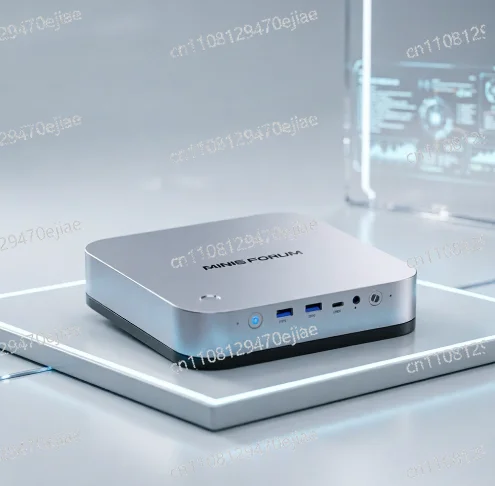
Minisforum MS-03 Mini Workstation (Intel Core Ultra 9 386H, 32GB/1TB)
Approx. price: $1,519.99
Price may be a bit stale – confirm the current price via the link below before buying.
Specs & pros/cons
Key specs:
- Intel Core Ultra 9 386H (16C/16T, up to 4.9 GHz, NPU up to 50 TOPS)
- 32 GB DDR5 RAM, 1 TB PCIe 4.0 SSD (3x M.2 slots, up to 24 TB with U.2)
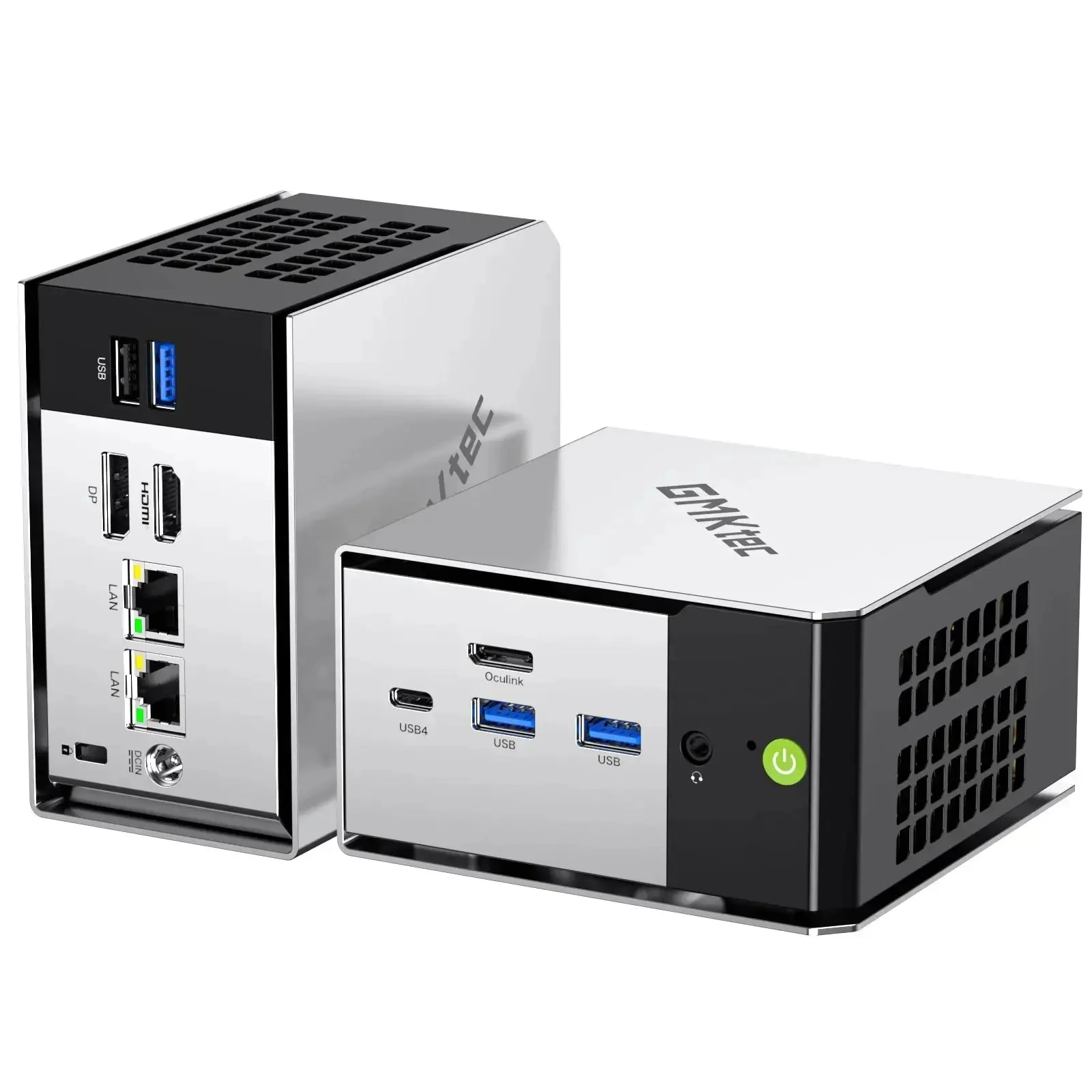
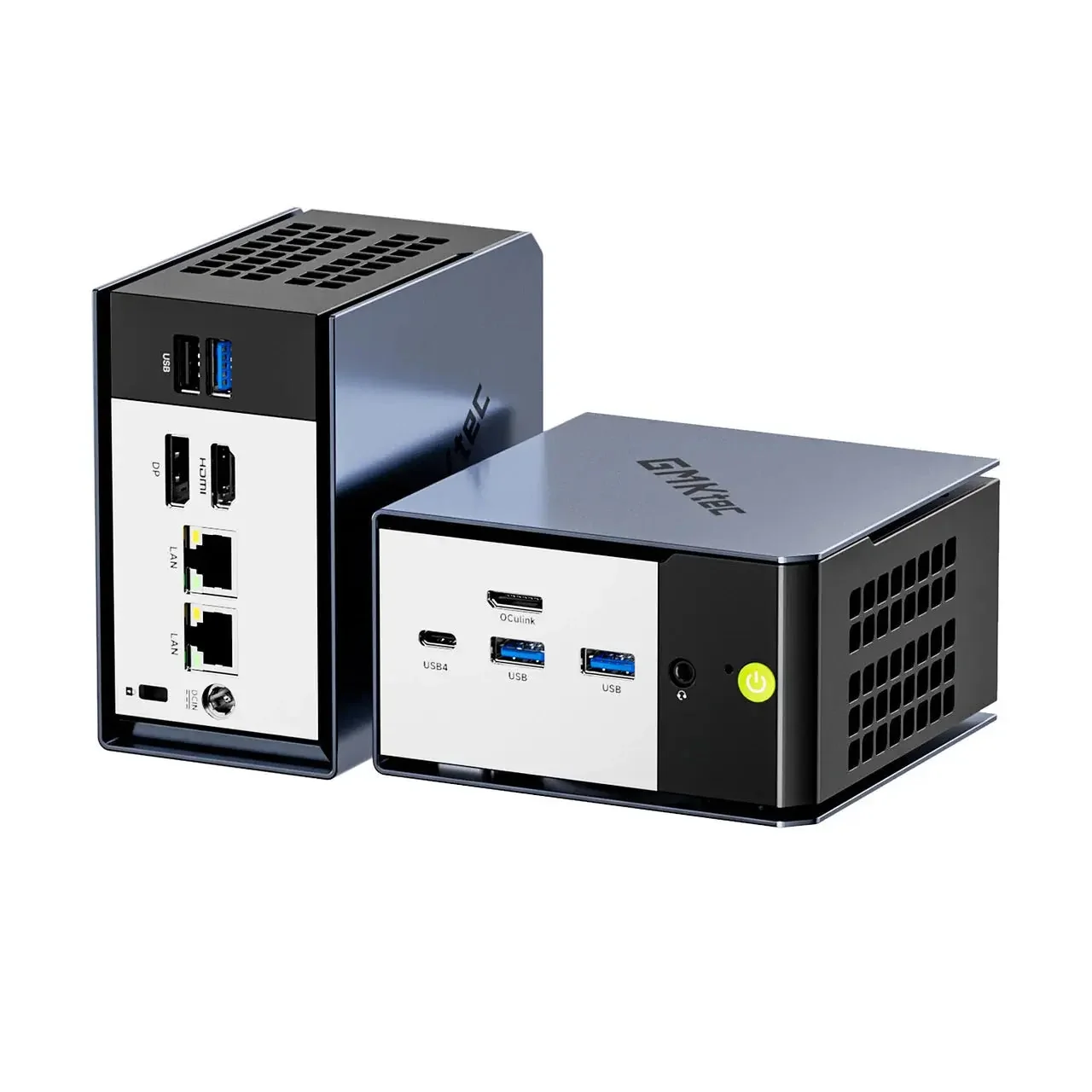
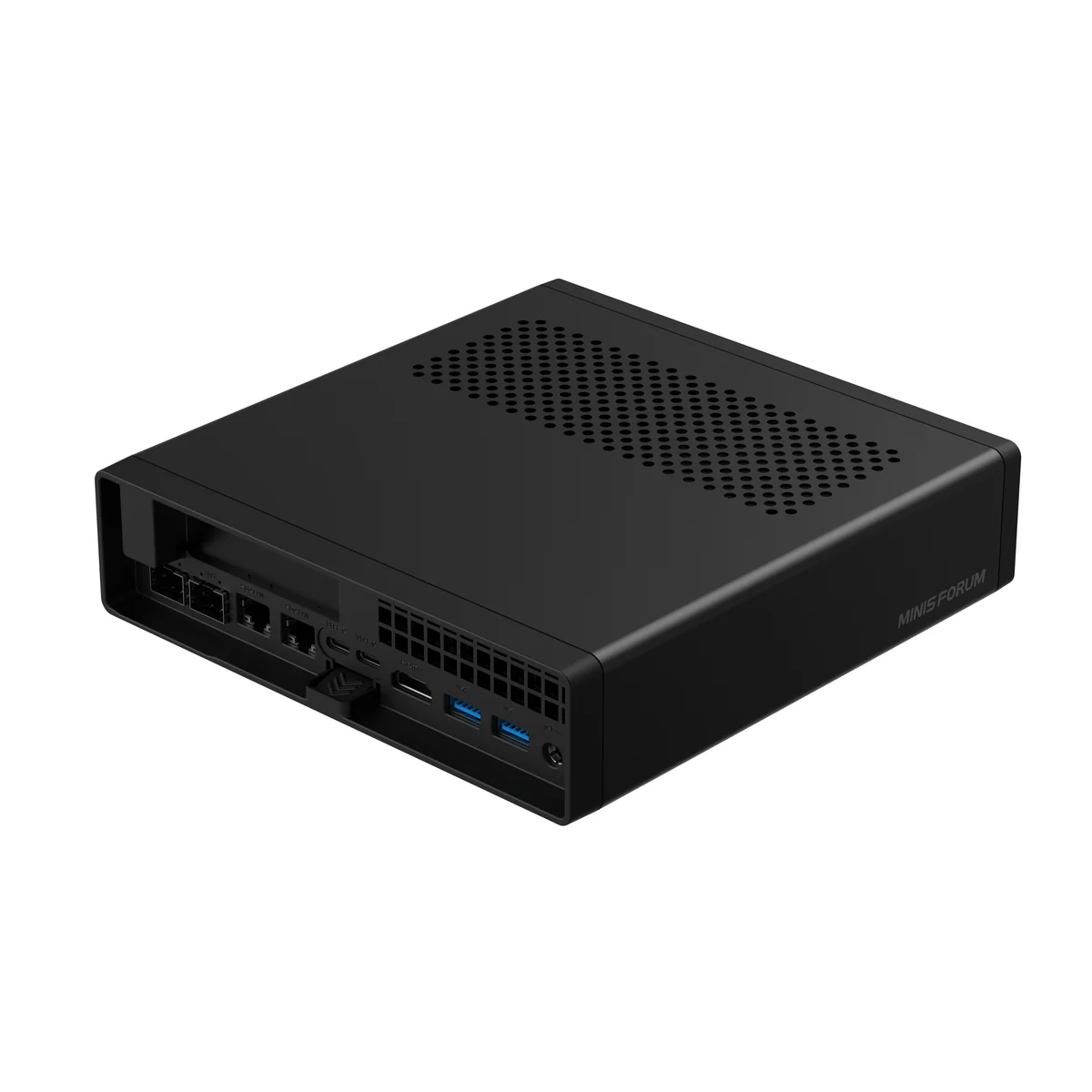
- Dual 10G SFP+ + 1x 10G + 1x 2.5G RJ45 Ethernet, PCIe 4.0 x16 slot for GPU/storage
- 2x USB4 (40 Gbps), HDMI 2.1, Wi-Fi 7, Bluetooth 6; 1.8 L chassis
Pros:
- Dual 10G SFP+ ports plus 10G/2.5G RJ45 make it a rare mini PC suited for homelab, NAS, and edge-AI workloads
- PCIe 4.0 x16 slot accepts a GPU or storage controller; 3x M.2 slots give serious expansion in a 1.8 L box
- Core Ultra 9 386H with 50-TOPS NPU runs 35B-parameter local LLMs at ~22 tok/s (Gemma) per Minisforum's Cinebench R23-class testing
Cons:
- Barebone configs (from $999) require buying your own RAM and SSD, pushing the real cost above the headline price
- Premium pricing versus consumer mini PCs with similar CPU tiers (e.g., Beelink, GEEKOM)
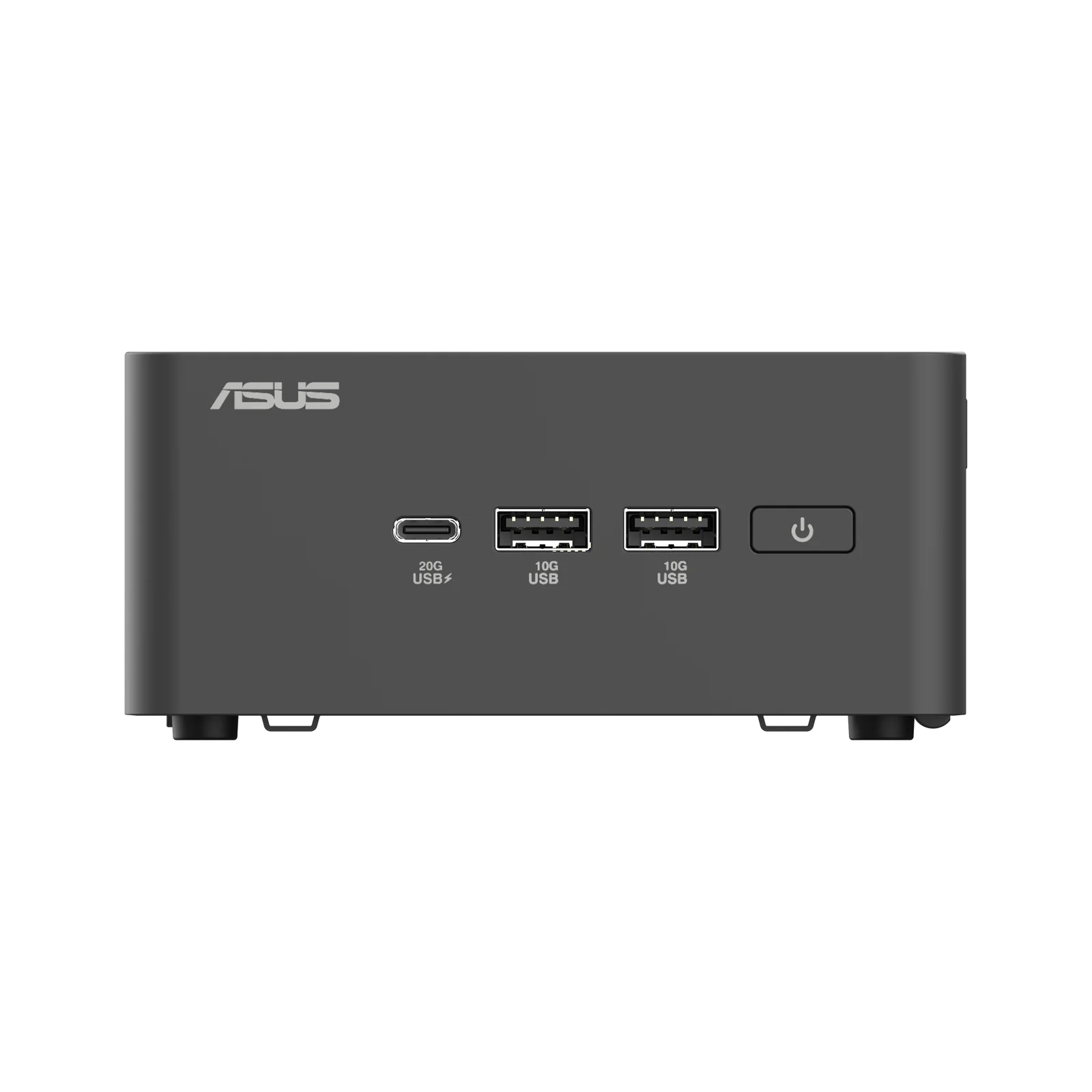
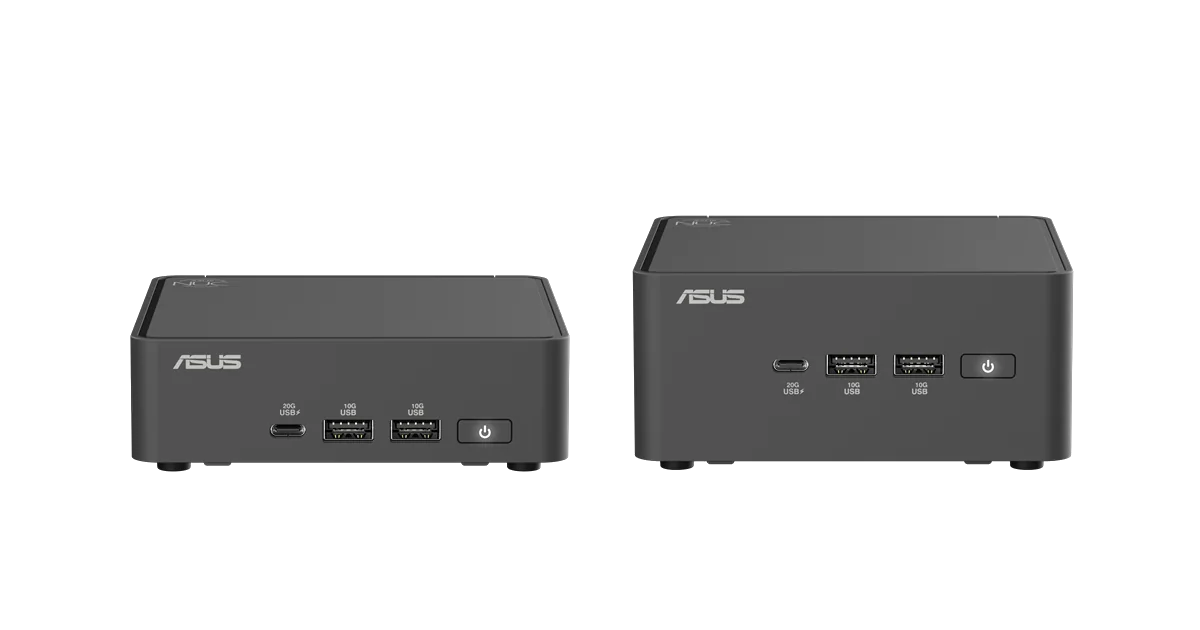
- Limited independent review coverage compared with ASUS NUC or Beelink equivalents
Check current price (paid link)
Prices and specs collected from manufacturer/retailer listings and public reviews; always confirm current price and stock on the linked page before buying.